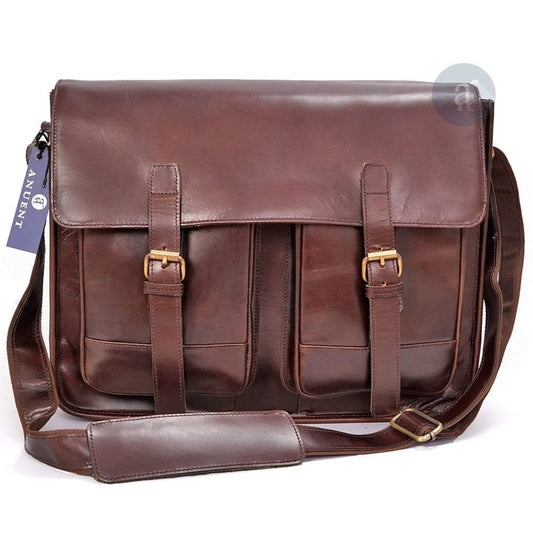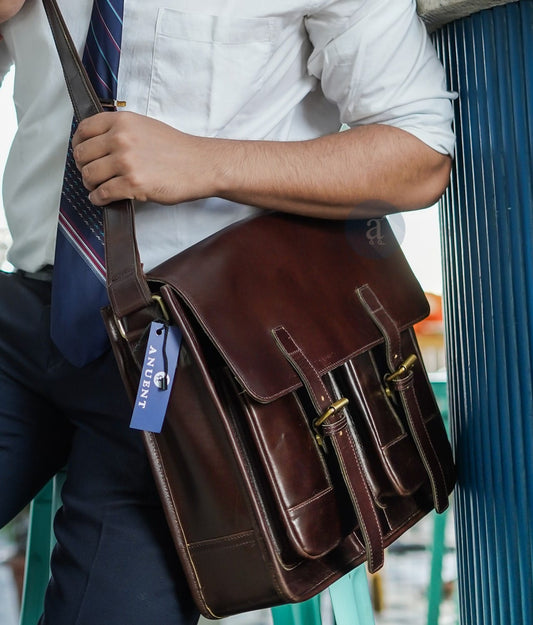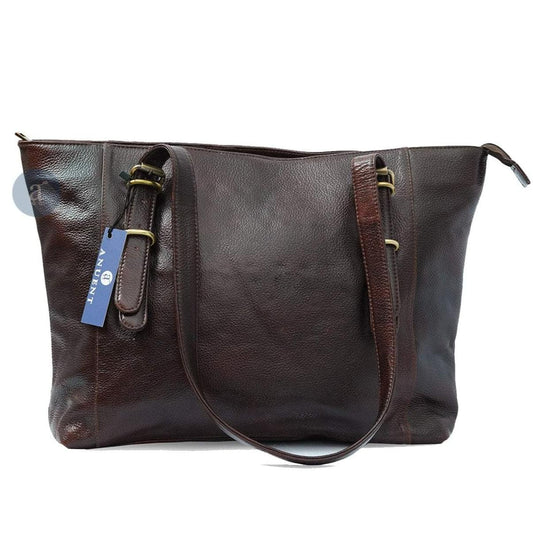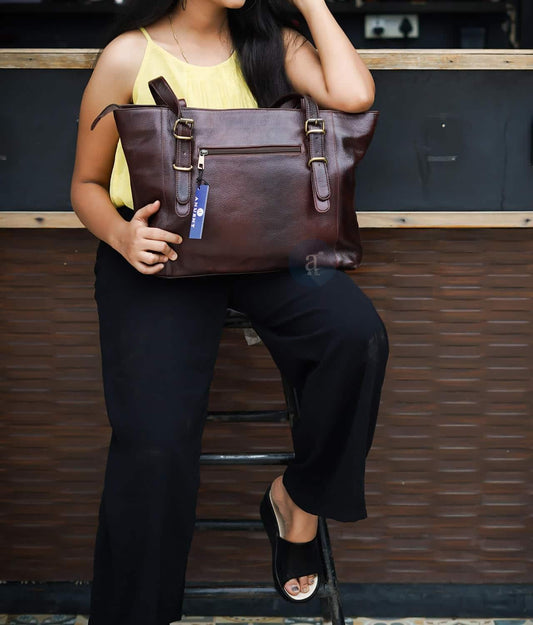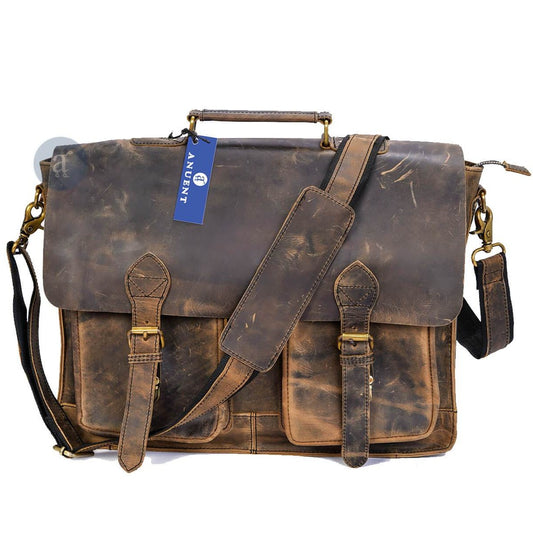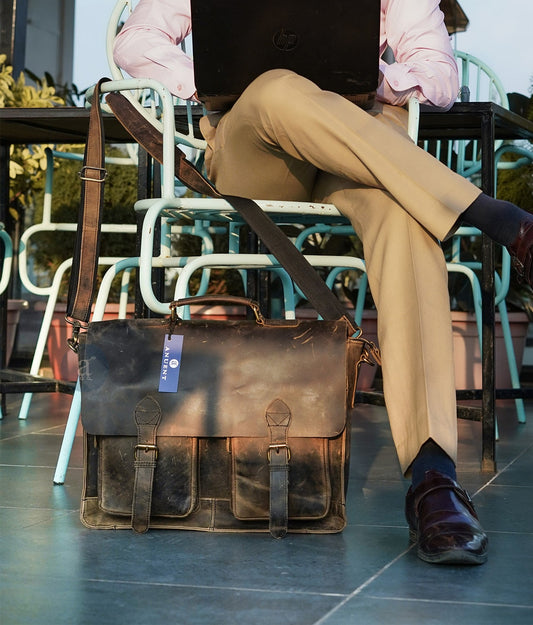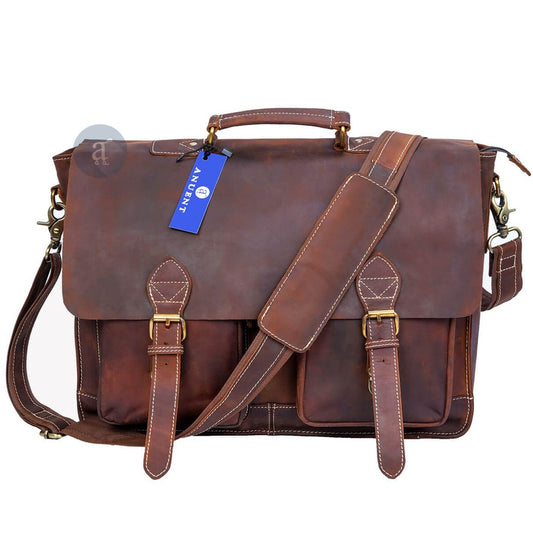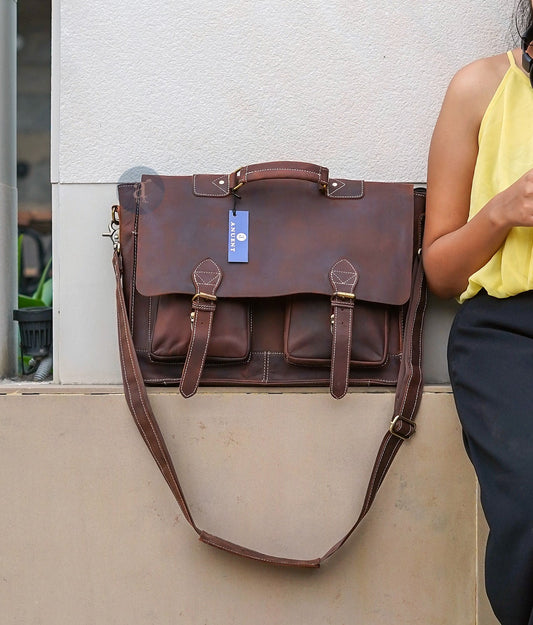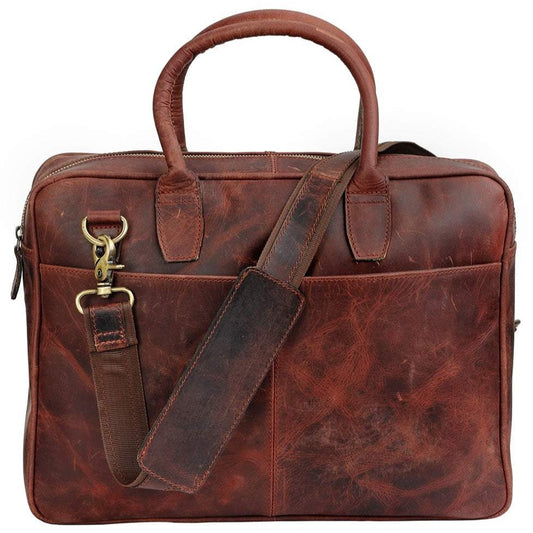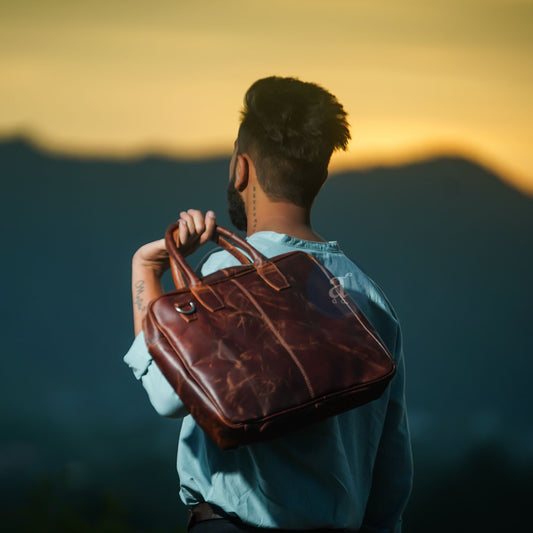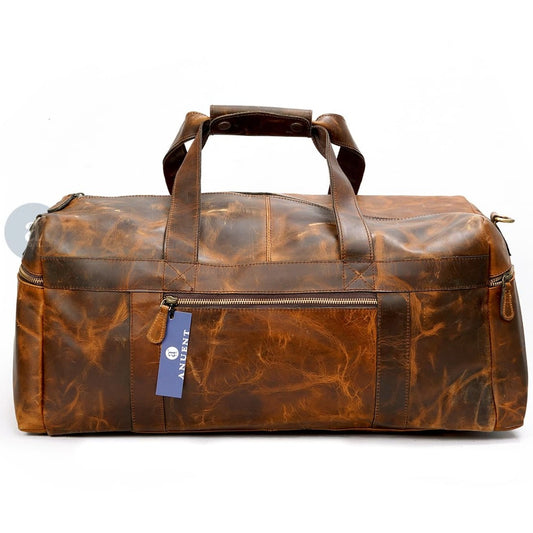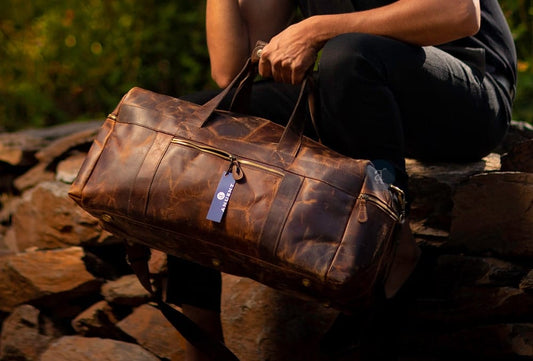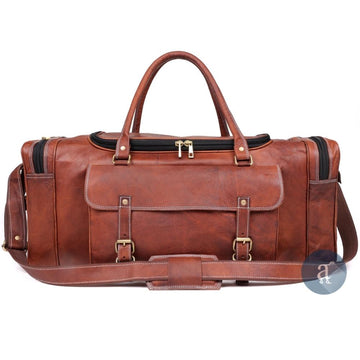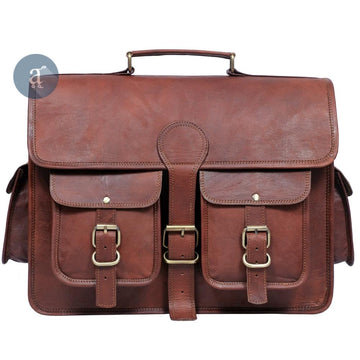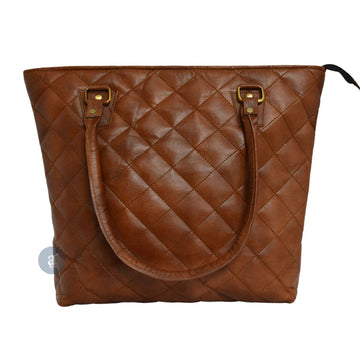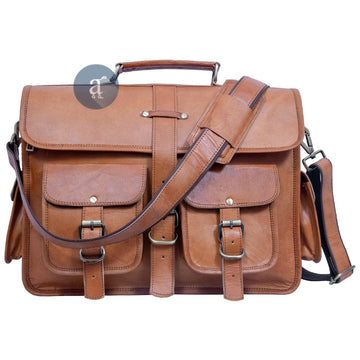

- Most leather bags take 2 to 4 weeks of daily use to fully break in: the timeline depends on leather type, how often you carry it, and how full you pack it during the early weeks.
- Loading the bag is the most effective break-in method: packing the bag close to its intended capacity and carrying it daily accelerates the softening process faster than any product can.
- A quality leather conditioner applied at week one speeds things up: it replenishes natural oils, reduces initial stiffness, and helps the leather flex without cracking during the early break-in phase.
- Top-grain buffalo leather takes longer than goat leather to break in: buffalo leather is denser and holds its structure longer, which is also why it outlasts softer leathers over years of daily use.
- Never use heat, olive oil, or water immersion to speed things up: all three damage leather permanently and are consistently flagged as mistakes in r/BuyItForLife and r/leathercraft communities.
WHAT YOU NEED TO KNOW
- Stiffness in a new leather bag is a sign of quality, not a defect: genuine and top-grain leather retains the dense fiber structure of the original hide, which causes initial rigidity that softens with use and conditioning.
- The break-in period is not just about softness: it is also when the bag begins to conform to your specific carry habits, developing a shape and character that reflects how and what you carry.
- Conditioning at the start of the break-in period is different from ongoing maintenance conditioning: the first conditioning application is about introducing flexibility to stiff new leather; maintenance conditioning every three to six months is about sustaining it.
- Goat leather breaks in faster than top-grain buffalo leather: goat leather is naturally more supple and shows softening within days of daily use, while top-grain buffalo leather may take the full two to four week window to feel broken in.
- Vegetable-tanned leather has the longest break-in period of all leather types: it is the firmest leather when new and develops a deep patina over months and years, making it the leather type most associated with improving dramatically with age.
- Reddit communities in r/BuyItForLife consistently report that the break-in period is worth the patience: bags that felt stiff and uncomfortable for the first two weeks became the most-used and most-loved items in their carry rotation within a month.
A new leather bag is supposed to feel stiff.
That stiffness is not a manufacturing flaw or a sign that the leather is poor quality.
It is the opposite: genuine leather retains the structural density of the animal hide it came from, and that density is what makes it durable enough to outlast synthetic alternatives by decades.
The break-in period is the process of transitioning that dense new leather into a bag that feels like it was made for you.
It happens through a combination of use, conditioning, and time, and the result is a bag that has conformed to your carry habits, developed a surface patina, and softened at exactly the flex points you use every day.
This guide covers how long the break-in period takes for different leather types, what actually works to accelerate it, and the mistakes that permanently damage leather in the process.
If you are carrying a new real leather bag for the first time or about to buy one, this is what you need to know before you start.
Why New Leather Bags Feel Stiff
Leather stiffness in a new bag comes from two things working together: the density of the leather fiber structure and the finishing treatments applied during manufacture.
Genuine leather and top-grain leather are made from the outer layers of an animal hide, which are the densest and most tightly packed fiber layers.
These fibers are strong and resilient when dry, which makes new leather feel rigid and resistant to bending.
This is the same property that gives quality leather its durability.
You cannot have one without the other.
The finishing process adds a second layer of stiffness.
Leather is treated with protective coatings, dyes, and in some cases hardening agents during manufacture to protect its surface during shipping and retail display.
These coatings reduce flexibility further until they begin to wear in with use and conditioning.
Vegetable-tanned leather, which Anuent uses alongside top-grain buffalo and goat leather, has the most pronounced stiffness when new because the tanning process uses plant-based tannins that produce a firmer initial result than chrome tanning.
Vegetable-tanned leather is also the type that develops the most dramatic character over time, softening and deepening in color in ways that chrome-tanned leather does not replicate.
Understanding the different types of leather and how they are made gives useful context here: tanning method directly affects how long the break-in period takes and what the leather will look like after a year of daily use.
How Long Does the Break-In Period Actually Take?
The honest answer is two to four weeks of daily use for most genuine and top-grain leather bags.
That range is driven primarily by three variables: the leather type, how often you carry the bag, and how full you pack it.
A bag that sits empty on a shelf for a week has not broken in at all.
A bag that is packed to its intended capacity and carried every day will show noticeable softening within five to seven days.
Goat leather is the fastest to break in.
It is naturally more supple than buffalo leather and responds to use and conditioning quickly.
Most goat leather bags from Anuent will feel noticeably different after one week of daily carry and fully broken in within two weeks.
Top-grain buffalo leather takes the longest of the three leather types Anuent uses.
It is the densest leather and holds its structure under load, which is why it is used for bags intended for heavy daily carry.
Expect the full two to four weeks before buffalo leather feels fully broken in.
The stiffness in week one can feel significant, particularly on structured briefcase and messenger styles where the leather panels are thicker.
Vegetable-tanned leather sits somewhere in between for the initial softening period, but it continues developing character for months and years beyond the initial break-in.
The first month feels like the break-in period.
Years two through ten are when vegetable-tanned leather reveals what it is actually capable of in terms of patina and character development.
For reference, r/BuyItForLife contributors who report on break-in timelines consistently describe a two-week threshold as the point where a stiff bag starts feeling comfortable, and the four-week mark as when it starts feeling genuinely personal.
What to Do in Week One
The first week of carrying a new leather bag sets the trajectory for the break-in.
These are the steps that produce the best results.
Pack it properly from day one.
Carry the bag loaded close to its intended capacity during the break-in period.
An empty bag bends and flexes very little, so the leather is not actually being worked.
A bag packed with your daily items, a laptop, notebooks, water bottle, and personal items, bends at the handles, flexes along the sides, and opens and closes the zipper or closure repeatedly, which is the mechanical work that softens the leather.
Apply a leather conditioner at the end of day one or day two.
Do not wait until the bag feels very stiff before conditioning it.
Applying conditioner in the first two days of ownership introduces oils into the leather fiber structure before it has been stressed by use.
This makes the leather more receptive to bending and reduces the risk of surface cracking at flex points during early use.
Apply conditioner to a clean bag using a soft cloth in small circular motions.
Work it into the leather evenly and pay attention to areas that will flex most: the handle base, the top corners, the strap attachment points, and along any fold lines.
Allow it to absorb for at least 30 minutes before use.
The full guide to conditioning a leather bag covers the application process in detail if you want step-by-step guidance.
Flex the leather gently by hand at stiff points.
Identify the areas that feel particularly rigid, often the base corners and the side panels on structured bags, and gently flex them back and forth by hand before loading the bag.
This is not about forcing the leather into shape but about starting the bending process at the fiber level before the leather is under carry load.
Stuff the bag overnight if carry time is limited.
If you cannot carry the bag for a full day, stuff it with soft items like scarves, rolled t-shirts, or bubble wrap and leave it overnight.
This applies gentle internal pressure that works the leather without bending it in unnatural directions.

What to Do in Weeks Two Through Four
The second and third weeks of the break-in period are when you start to see meaningful results.
The leather will begin softening visibly at the flex points, the handles will feel more comfortable in your hand, and the bag will start to develop a shape that reflects how you carry it.
Continue daily carry with a full load.
This is not the time to switch to a lighter carry or alternate with another bag.
Consistency during weeks two through four accelerates the break-in more than any other factor.
Apply a second round of conditioner at the two-week mark.
This second application maintains the moisture balance in the leather as it goes through the flexing and bending of daily use.
It also helps prevent any surface cracking that can occur when leather is being worked regularly without lubrication.
Watch for the flex points beginning to show a slightly different tone from the rest of the leather.
On natural and undyed leathers, flex points darken slightly as the oils from conditioning and handling concentrate there.
On dyed leathers, you may see a subtle surface burnishing at the most-used points.
Both of these are normal and are the early signs of patina development, which will become more pronounced over months and years of carry.
By the end of week four, most genuine and top-grain leather bags will have completed their break-in period.
The leather will feel noticeably more supple than it did on day one, the bag will carry more comfortably, and it will have begun developing the individual character that makes a quality leather bag worth owning long term.
For a full picture of what to expect from a quality leather bag over time, the BIFL leather bag checklist covers durability indicators at every stage of ownership.
The Methods That Actually Work
Several break-in methods appear repeatedly in leather care discussions and are consistently recommended by experienced bag owners.
- Daily carry with a full load — The most effective method and the only one that cannot be replicated artificially. Physical use is the primary driver of leather softening because it bends the fibers at their natural flex points under real load conditions.
- Leather conditioner application — Replenishes natural oils in the fiber structure, reduces stiffness, and prepares the leather for bending without cracking. Use a product formulated specifically for leather bags. Conditioners with lanolin, beeswax, or neatsfoot oil are the most commonly recommended in r/leathercraft discussions.
- Gentle hand flexing at stiff points — Particularly useful for structured briefcases and bags with thick leather panels. Work the rigid areas by hand for a few minutes before carrying.
- Overnight stuffing — Useful when daily carry time is limited. Stuff the bag fully and leave it overnight to apply sustained internal pressure.
- Warm room storage (not heat application) — Storing the bag in a warm room, not near a direct heat source, keeps the leather at a temperature that makes it more receptive to conditioning and flexing. Cold leather is stiffer and more resistant to the break-in process.
What to Avoid During the Break-In Period
The methods below appear regularly in forum posts and YouTube videos as break-in shortcuts.
They are consistently flagged as mistakes by experienced leather owners and repair technicians.
- Direct heat application — A hair dryer, heat gun, or placing the bag near a radiator will dry out the leather fiber structure rather than soften it. Heat removes moisture from leather, which causes surface cracking and fiber brittleness. This damage is permanent and cannot be conditioned out.
- Olive oil or coconut oil — Olive oil goes rancid inside leather fiber over time, creating an odor that cannot be removed and weakening the fiber structure. Coconut oil permanently darkens lighter leather shades and can create uneven blotching on treated leather surfaces. Neither is formulated for leather and both cause long-term damage.
- Water immersion or wet break-in methods — Soaking leather in water or using wet cloths to force softening is a method used for some leather footwear but is not appropriate for bags. Wet leather stretches unevenly, can stain from minerals in tap water, and may delaminate dyed surfaces when dry.
- Rubbing alcohol — Strips the protective coating and the natural oils from the leather surface simultaneously, leaving it dry and prone to cracking. Rubbing alcohol is a cleaning agent for surface stains only and must be used sparingly and specifically, not as a general conditioner or softener.
- Petroleum-based products — Products like Vaseline block the leather pores and prevent it from breathing, which creates moisture buildup inside the fiber structure over time. This leads to mold growth in humid environments and accelerated deterioration of the leather interior.
For a comprehensive overview of safe and unsafe leather care products, the long-term leather care guide covers conditioning, cleaning, and storage across all leather types used in Anuent bags.
Break-In Period by Bag Type
The break-in experience varies depending on the bag style as well as the leather type, because different bag constructions have different flex patterns and different areas of primary stress.
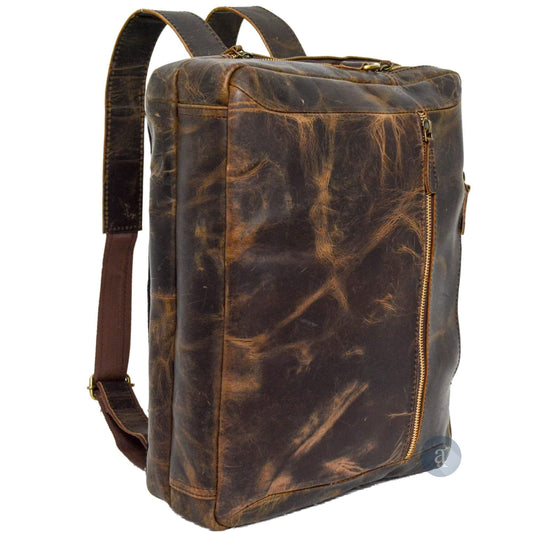
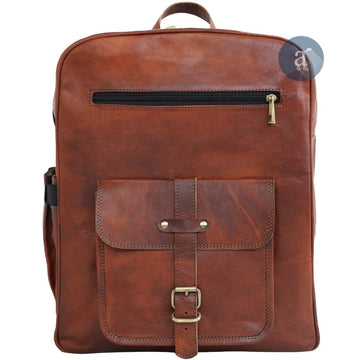
Leather backpacks break in most evenly of any bag style because the load is distributed across the full back panel, shoulder straps, and base simultaneously.
The most stiff areas on a new leather backpack are typically the shoulder straps and the base corners.
Shoulder straps on a new brown leather backpack will feel noticeably softer after the first week of loaded carry.
The base corners take longer because they are reinforced on most structured backpacks.
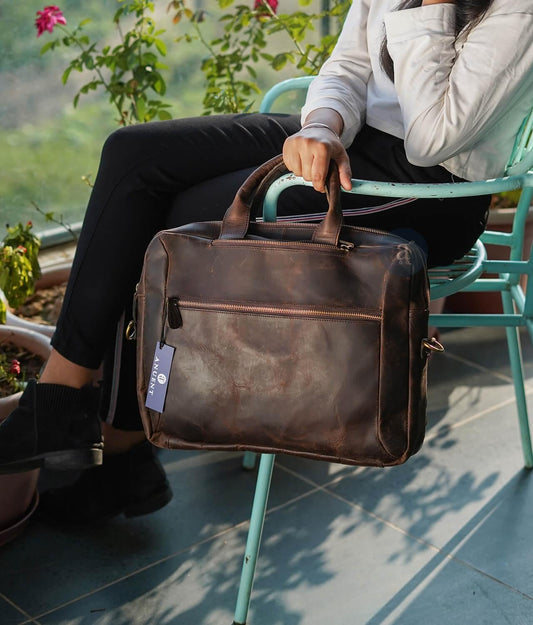
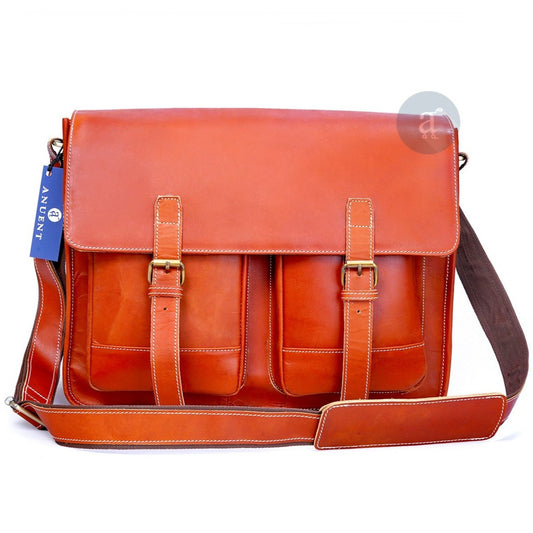
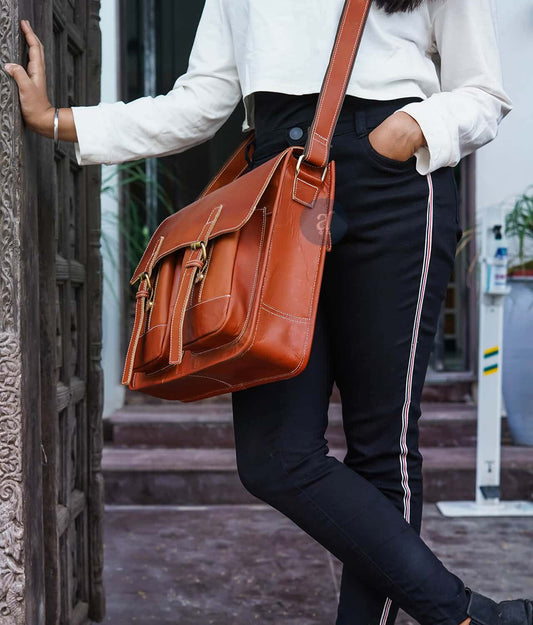
Leather briefcases and messenger bags break in primarily along the main flap or front panel and at the handle base.
The carry handle on a new leather briefcase bears concentrated load at two small attachment points, and these areas soften first while the main panels take longer.
A new leather briefcase for women or men with a structured front panel will feel noticeably more rigid than a soft tote for the first two weeks of carry.
Leather tote bags are the quickest to break in of the common bag styles because the large open-top format means the leather is being worked across wide, relatively thin panels rather than in small concentrated stress points.
A soft leather tote bag in goat leather may feel broken in within the first week of daily use.
Leather crossbody and sling bags break in along the strap first because the strap carries the bag's full weight continuously.
The bag body follows over the two to four week window.
The strap-to-bag attachment points are the last areas to fully soften because they are reinforced construction points.
READY TO BREAK IN
Leather Bags That Get Better With Every Carry
Every Anuent bag is expertly crafted from top-grain buffalo leather, goat leather, and vegetable-tanned leather. All bags come with care instructions. Free shipping to USA, UK, and Canada. Free monogramming on every order.
What the Break-In Period Looks Like on Vegetable-Tanned Leather
Vegetable-tanned leather deserves its own section because the break-in experience is meaningfully different from chrome-tanned and finished leathers.
When new, vegetable-tanned leather is noticeably firmer and may have a slightly waxy or tight surface feel.
It is often a lighter, more natural tan color when new.
Within the first week of carry it will begin to darken slightly at the points where your hands touch it and where it bends under load.
These are the earliest signs of patina development, not surface damage.
The full break-in period for vegetable-tanned leather is longer than for other leather types, often six to eight weeks before it feels fully conformed to your carry habits.
But the result is different in character from broken-in chrome-tanned leather.
Vegetable-tanned leather develops a deep, rich patina that records every scratch, every drop of rain, and every bend as part of its surface story.
After a year of daily carry, a vegetable-tanned leather bag looks genuinely unlike any other bag because the patina is a record of exactly how you used it.
According to the Leather Working Group, vegetable tanning is the most environmentally considered tanning method, using plant-based tannins rather than heavy metal compounds.
This is one of the reasons Anuent uses vegetable-tanned leather in its range alongside top-grain buffalo and goat leather.
When Stiffness Is Not Normal Break-In Stiffness
Most stiffness in a new leather bag is normal and resolves during the break-in period.
However, there are situations where stiffness indicates a different problem.
If a bag feels brittle rather than firm, where flexing produces a cracking or crackling sound from the leather surface rather than a quiet resistance, the leather may be dried out from storage or shipping conditions.
This is different from normal new-leather stiffness and should be addressed with conditioning before regular use.
Apply conditioner generously and allow it to absorb fully before carrying the bag.
The guide to preventing leather bags from cracking covers this situation in detail.
If the stiffness is localized to one area and accompanied by a surface irregularity like a fold, crease, or white powdering, the leather may have been compressed during shipping.
This is not a quality defect but can be addressed by conditioning the affected area and gently working it back to its intended shape by hand before carrying.
If the bag smells strongly of chemicals and feels uniformly rigid across all panels regardless of leather type, the finishing treatment applied during manufacture may be heavier than typical.
This resolves with conditioning and use more slowly than standard break-in stiffness but follows the same process.
Maintaining the Leather After Break-In
Once the break-in period is complete, the leather needs less active attention but still benefits from a regular conditioning schedule.
Condition every three to six months depending on how often you carry the bag and your climate.
Dry climates and air-conditioned environments pull moisture from leather faster than humid climates, so bags carried in dry conditions benefit from conditioning closer to the three-month interval.
Bags in humid climates can go the full six months between applications.
Do not over-condition.
Applying conditioner more frequently than every three months saturates the leather fiber structure and can soften it past the point of structural integrity on structured bag styles.
Conditioning is maintenance, not improvement, once break-in is complete.
Clean before conditioning.
Surface dirt and oils from handling prevent conditioner from absorbing evenly.
A gentle wipe with a damp cloth before each conditioning application ensures the product reaches the leather fiber rather than sitting on top of surface grime.
The guide to cleaning a leather bag safely covers the pre-conditioning cleaning process for all leather types.
Store the bag properly between uses.
Stuff it to maintain its shape, keep it in a dust bag if one was supplied, and store it away from direct sunlight and heat sources.
Leather that is stored well between uses ages more evenly than leather that is left empty or compressed.
The Society of Leather Technologists and Chemists publishes research on leather fiber behavior that confirms what experienced bag owners observe in practice: leather conditioned and used consistently from new develops better structural integrity over time than leather that is left dry or used irregularly.
CRAFTED TO LAST
Leather Bags That Break In and Keep Getting Better
Every Anuent bag is expertly crafted from top-grain buffalo leather, goat leather, and vegetable-tanned leather. Dimensions, leather type, and care instructions listed on every product page. Free shipping to USA, UK, and Canada.
FAQ
How long does a leather bag break-in period take?
Most genuine and top-grain leather bags take two to four weeks of daily use to fully break in.
The timeline depends on leather type, how often you carry the bag, and how full you pack it.
Goat leather softens fastest, often within one to two weeks.
Top-grain buffalo leather takes the full two to four weeks because it is denser.
Vegetable-tanned leather can take six to eight weeks for its initial break-in, though it continues developing character for years beyond that point.
What is the best way to break in a stiff leather bag?
Daily carry with a full load is the most effective break-in method available.
Pack the bag close to its intended capacity and carry it every day during the break-in period.
Combine this with a leather conditioner application in the first two days of ownership and again at the two-week mark.
Gently flex rigid areas by hand before loading the bag on the first few days.
This combination of use, conditioning, and hand flexing produces the fastest and most natural break-in result.
Can I use olive oil to break in a leather bag faster?
No.
Olive oil is one of the most commonly recommended shortcuts and one of the most damaging things you can apply to leather.
Olive oil goes rancid inside the leather fiber structure over time, creating a persistent odor that cannot be removed and degrading the fiber integrity from the inside.
It also darkens leather unevenly and irreversibly.
Use a conditioner formulated specifically for leather bags, one with lanolin, beeswax, or neatsfoot oil as its active ingredient.
Is it normal for a new leather bag to feel very stiff?
Yes, and it is a positive sign rather than a quality concern.
New genuine leather and top-grain leather is stiff because it retains the dense fiber structure of the original hide.
This density is the same property that makes the leather durable enough to outlast synthetic alternatives by many years.
The stiffness resolves through use and conditioning during the break-in period.
Should I condition a leather bag before I start using it?
Yes, ideally within the first two days of ownership.
Applying conditioner before or at the very start of the break-in period introduces oils into the leather fiber structure before it has been stressed by use.
This makes the leather more receptive to bending and reduces the risk of cracking at flex points during early carry.
It also sets the leather up for a smoother break-in overall.
Think of it as preparing the leather for the work it is about to do rather than waiting until problems appear.
Will my leather bag stretch during the break-in period?
A small amount of dimensional change is normal, particularly at handle attachment points and strap loops where the leather bears concentrated load.
This is not stretching in the way synthetic materials stretch but rather a settling of the leather fiber structure under load.
The bag's overall shape and capacity remain consistent.
If you notice significant sagging or distortion during the break-in period, the bag may have been overpacked beyond its intended capacity, which should be corrected.
Does vegetable-tanned leather have a longer break-in period than other leather types?
Yes, vegetable-tanned leather has the longest initial break-in period of all leather types.
It is the firmest leather when new and typically takes six to eight weeks of daily carry before it feels fully broken in.
The trade-off is that vegetable-tanned leather develops a richer, more individual patina over years of use than any other leather type.
The longer break-in period is a function of the tanning method, which uses plant-based tannins to produce a denser, more structured leather that is also the most environmentally considered tanning approach available.