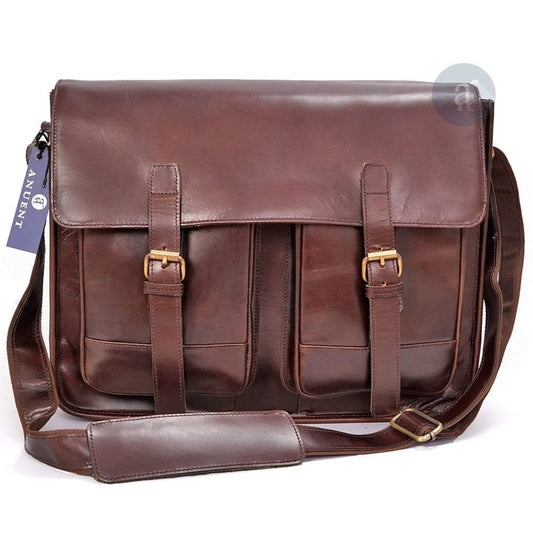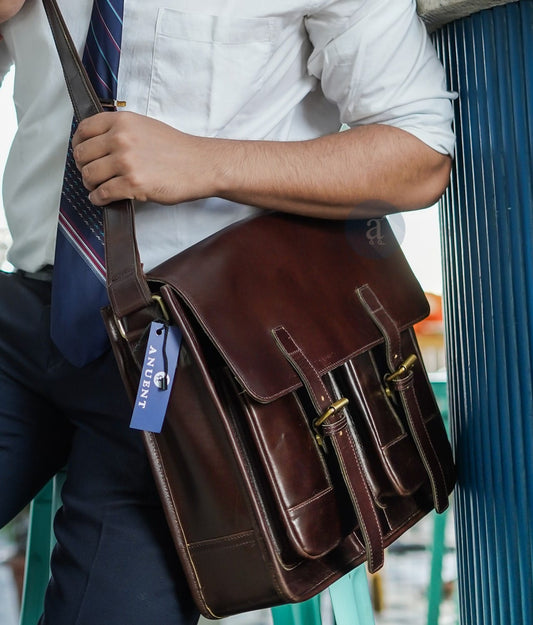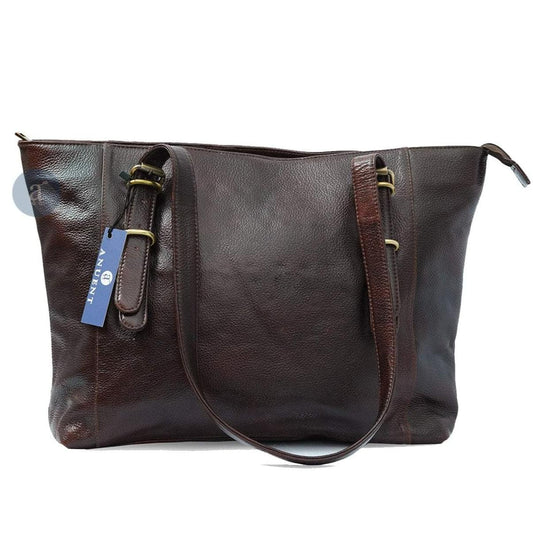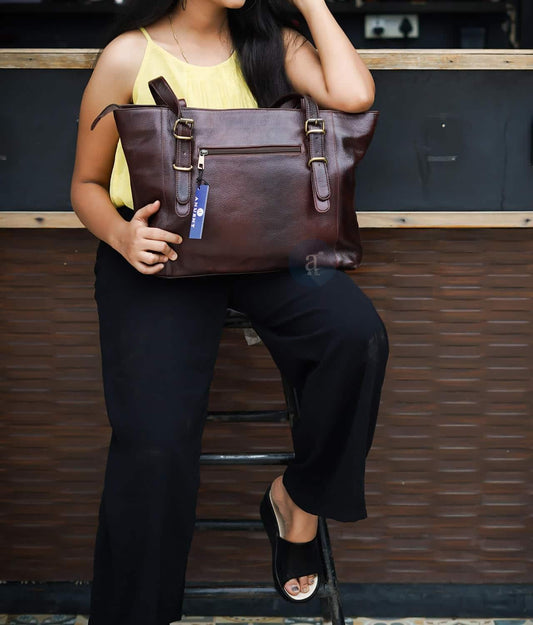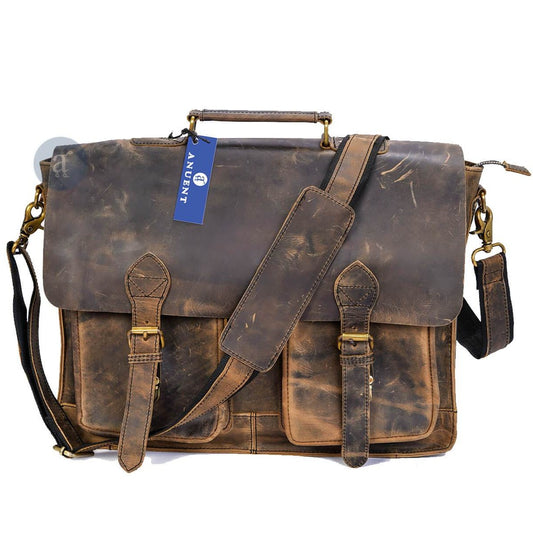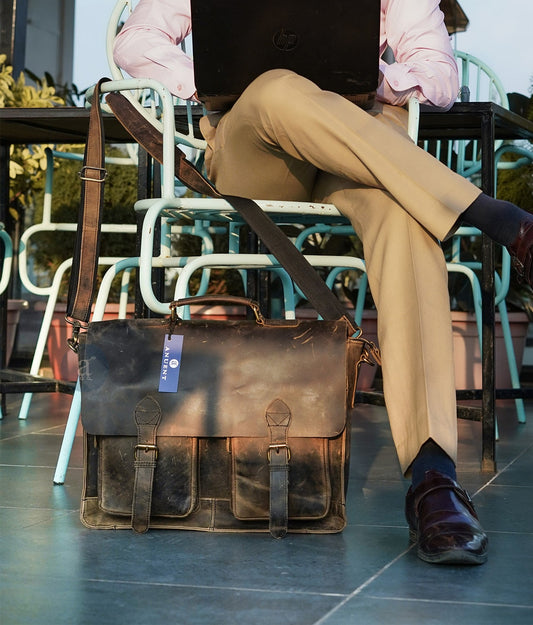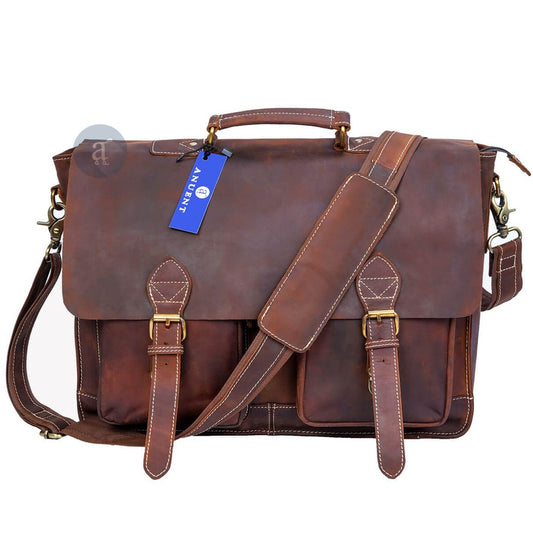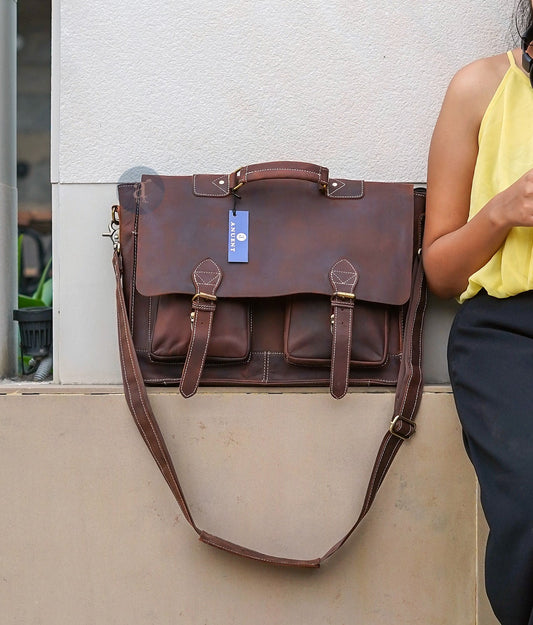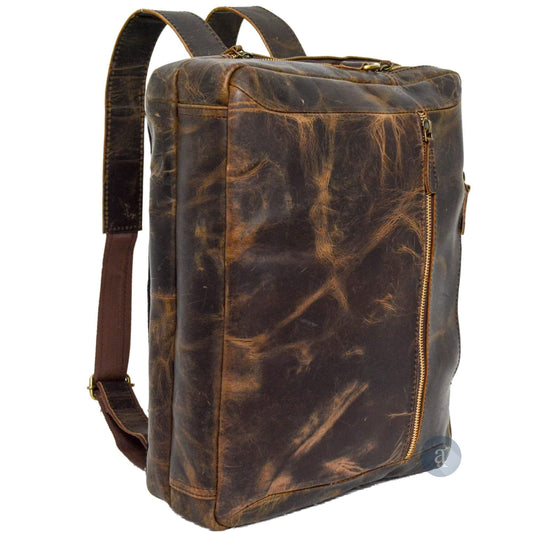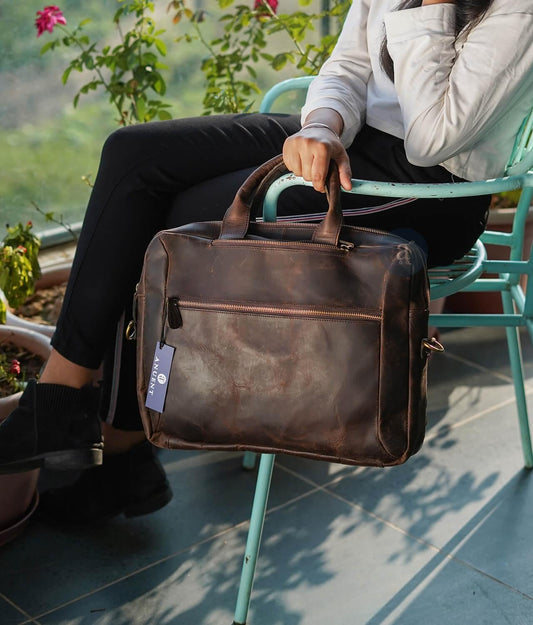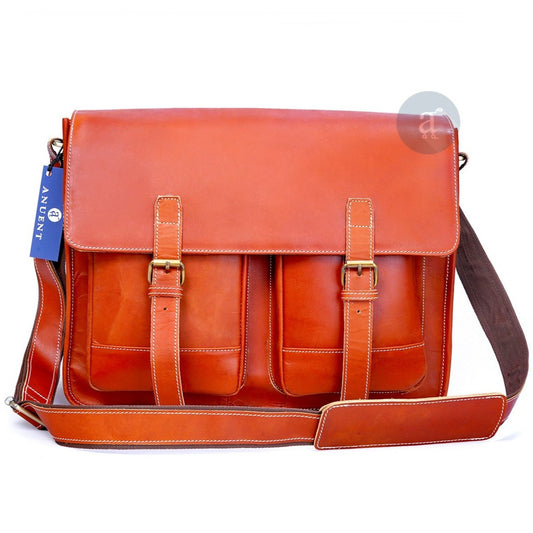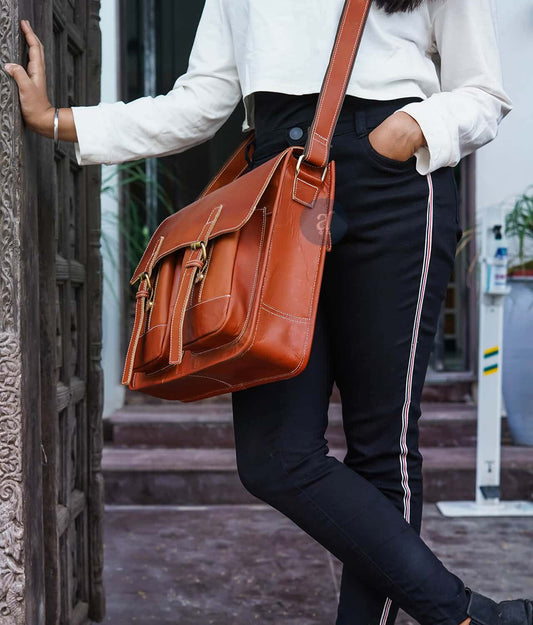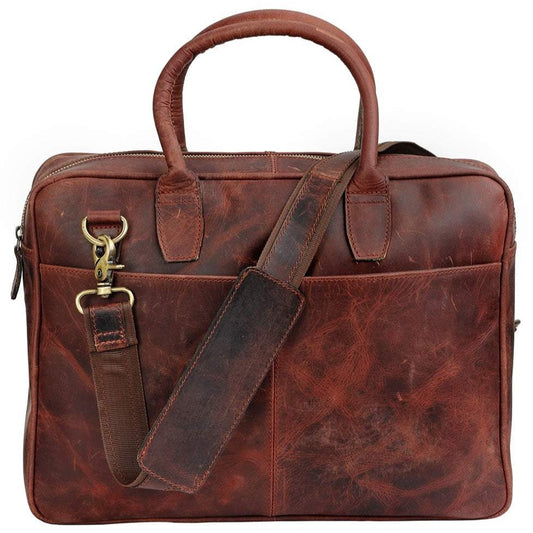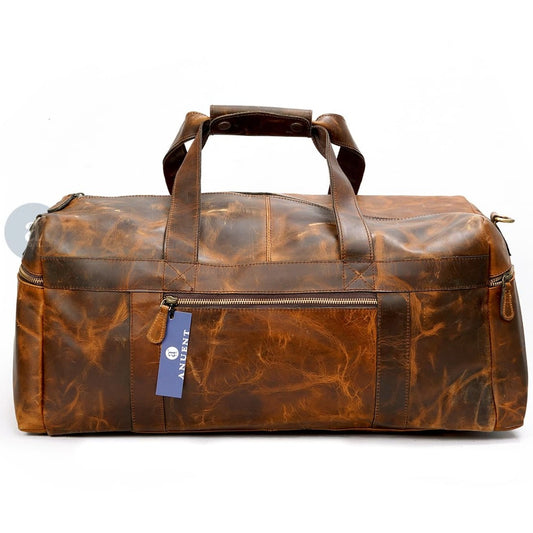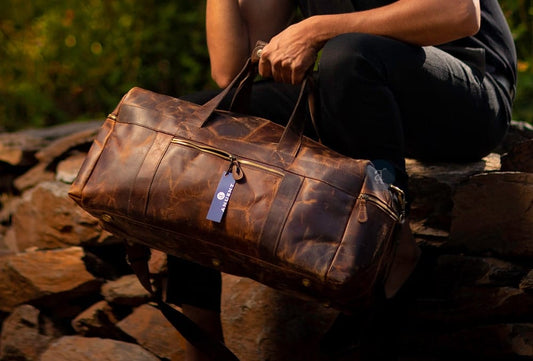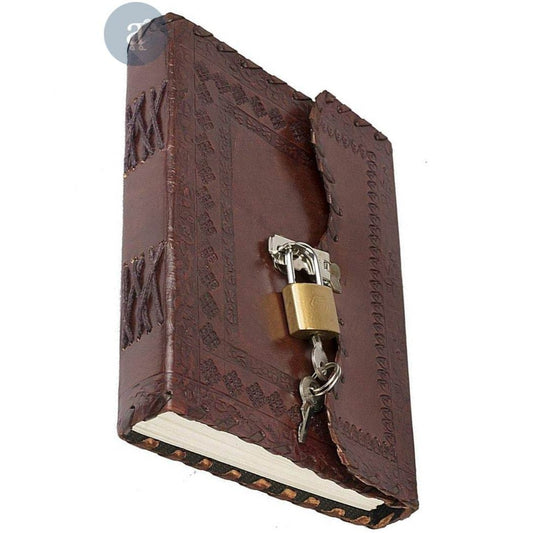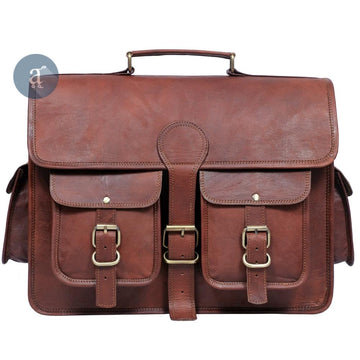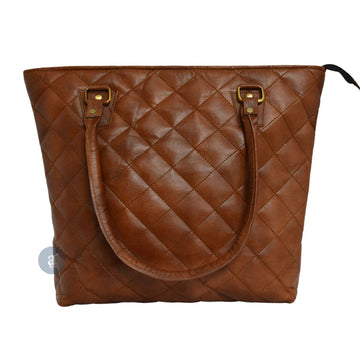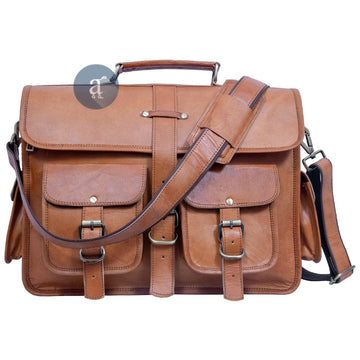

Ask a room of attorneys whether the briefcase is obsolete and you will get a firm no.
Despite the laptop and the paperless-office promise, lawyers still very much carry briefcases, for the same reasons professionals still use briefcases generally: legal work still involves confidential paper, a laptop that has to be protected, and rooms where how you present yourself does real work.
What has changed is what a good legal briefcase needs to do.
This is a practical guide to choosing one well.
Rather than ranking brands, we will walk through the criteria that actually matter for legal work, so you can judge any briefcase against the demands of your own practice.
Start with the job, not the label
A briefcase for a lawyer is doing three jobs at once, and the best choice is the one that does all three without compromise:
- It protects and organizes confidential material: privileged files, a laptop, bound exhibits, and legal pads.
- It survives daily professional use: the commute, the courthouse, and years of being set down and picked up.
- It signals professionalism, quietly, in front of clients, judges, and opposing counsel.
Most buying mistakes come from optimizing for one job and forgetting the other two: a beautiful bag that will not hold a 16-inch laptop, a capacious one that looks like luggage, or a smart one that leaves privileged documents behind an open flap.
Weigh all three together.
The criteria that matter for legal work
1. A secure closure, ideally a lock
Attorneys handle privileged and confidential material as a matter of routine, which makes closure a professional-responsibility issue, not a style preference.
At minimum, a briefcase should fully enclose its contents; ideally, it should lock.
A genuine locking closure remains uncommon even among premium briefcases, so if document security matters to your practice, treat it as a deciding feature rather than a nice-to-have.
Among the briefcases that offer a true integrated key-lock, the Von Baer No.1 is one example. Whatever you choose, prioritize a closure you would trust in a crowded courthouse lobby.

2. Full-grain, vegetable-tanned leather
Leather quality is where briefcases quietly diverge in price and lifespan.
Full-grain leather, the top layer of the hide with the natural grain intact, is the strongest and longest-lasting grade, and the only one that develops a genuine patina instead of cracking.
Vegetable tanning, a slow natural process, gives that leather firmer structure and more character as it ages.
Together, full-grain and vegetable-tanned is the combination that ages into a richer patina over a career.
Be wary of bonded leather, and read the specification rather than the label. As a grade name, genuine leather sits below top-grain, though the same phrase is also used colloquially to mean real leather rather than synthetic, so the word alone tells you little. Bonded leather and low-grade splits look acceptable at first and turn tired within a couple of years.
3. A structure that stands up
A briefcase that stands upright at the counsel table protects its contents and reads as composed; one that slumps into a puddle of leather does neither.
Structure also matters for the laptop: a rigid, gusseted body shields a machine far better than a soft flap.
If you can, judge a briefcase by whether it holds its shape empty. That tells you how it will behave full.
4. Genuine capacity: a 16-inch laptop and A4 documents
Legal work is still paper-heavy, so the bag has to carry a laptop and documents without forcing a choice.
Look for a padded compartment rated for your actual laptop size, since many 16-inch machines will not fit a bag rated for 15-inch, plus a separate section for A4 files, legal pads, and a charger.
A dedicated document gusset keeps papers flat and the laptop protected.
If you are unsure which dimensions to work back from, this guide to choosing the right size leather briefcase sets out the measurements worth checking.

5. Comfort for the commute
If your day involves stairs, platforms and a sprint between courtrooms, a padded handle and an optional shoulder strap stop the bag becoming a burden.
A luggage pass-through is worth having if you travel for depositions or hearings.
6. Quiet presence
In the highest-stakes rooms, the bag should read partner, not intern, and it should do so without a visible logo.
Presence that comes from the leather and the construction ages far better than presence stuck on in branding, and it lands the right way in front of a client or a court, where first impressions form in a fraction of a second.
Match the briefcase to your practice
The right emphasis shifts with the kind of law you do:
- Litigators and public defenders carrying heavy files daily should weight capacity and durability, favoring a structured bag that swallows exhibits and legal pads without straining.
- Transactional and corporate attorneys who live in airports should prioritize travel-readiness and security: a locking closure, a laptop compartment, and a strap or pass-through for constant movement.
- Partners and client-facing lawyers in back-to-back meetings should weight presence and refinement most heavily, because the bag is on the table in front of clients all day.
- New associates on a budget are better served buying one good briefcase they will grow into than cycling through cheaper bags that wear out.
On price: think in cost-per-year
A serious full-grain leather briefcase is a real outlay, often in the four figures, and that can feel steep next to a $130 alternative.
But a well-made briefcase carried daily for a decade works out to a modest annual cost, while cheaper bags are replaced every couple of years and never build the patina or presence that make a briefcase worth carrying.
Judged over its life, quality is usually the economical choice, not the extravagant one.
A simple decision framework
If you want to shortcut the process, ask five questions in order:
- Does it lock or fully enclose? If not, and you carry privileged material, stop here.
- Is it full-grain leather? If the specification says bonded, expect a short life.
- Does my actual laptop fit, with room for A4? Check the numbers, not the marketing.
- Does it stand up on its own? Structure protects contents and signals composure.
- Would it look right on the table in my most important meeting? If yes, and it passed the first four, it is a serious contender.
Any briefcase that clears all five is worth your money.
Run the same five checks across any range of leather briefcases and the shortlist gets short quickly.
The point is not a particular label. It is that legal work makes specific demands, and the briefcase that meets them will serve you for years.
Far from being a relic, the briefcase remains a working tool for lawyers, and the trick is choosing one built for how the job is actually done in 2026.
FAQ
Should a lawyer's briefcase have a lock?
Ideally, yes. Attorneys routinely carry privileged and confidential material, so a locking or fully enclosed closure is a meaningful safeguard, and it is still uncommon even among premium briefcases.
What leather is best for a legal briefcase?
Full-grain, vegetable-tanned leather. It is the most durable grade, it ages into a patina rather than cracking, and it reads as understated authority in professional settings.
How big should a lawyer's briefcase be?
Big enough for your actual laptop, often 16 inches, plus a separate section for A4 documents, legal pads and a charger, without the bag bulging or losing its shape.
A practical buyer's guide for legal professionals. Last updated July 2026.