
Last Updated: March 2026
- Best overall method: A dedicated leather conditioner applied with a soft cloth and left to absorb for 24 hours is the safest and most effective way to soften any genuine leather item.
- Best natural alternative: Neatsfoot oil or mink oil absorb cleanly without significantly altering colour, making them more reliable than coconut oil on lighter leather shades.
- For brand new bags: Combine conditioning with manual breaking-in. Flex the leather gently along its natural points and stuff the bag to apply internal pressure. Most new leather bags soften noticeably within two to three sessions.
- What not to use: Rubbing alcohol, olive oil, tumble dryers, and direct high heat all damage leather. Avoid all of these regardless of what you read elsewhere.
- Maintenance schedule: Condition every three to six months to keep leather consistently soft. More frequent conditioning saturates the fibres and weakens the leather structure over time.
WHAT YOU NEED TO KNOW
- Leather stiffens for two reasons: It is either brand new and has not broken in yet, or it has dried out over time from lack of conditioning, improper storage, or environmental exposure.
- Conditioning addresses both causes: Applying a leather conditioner replenishes the natural oils that keep leather fibres flexible, regardless of whether the stiffness comes from newness or drying.
- Not all oils are safe: Olive oil goes rancid inside leather fibres over time. Coconut oil permanently darkens lighter shades. Rubbing alcohol strips oils and causes cracking. Use dedicated products or proven natural oils only.
- Heat helps conditioning penetrate deeper: Gentle indirect warmth applied after conditioning allows oils to absorb more thoroughly into the leather fibres. Heat must never be applied to dry leather first.
- Genuine leather only: These methods apply to genuine, full-grain, top-grain, and vegetable-tanned leather. Suede and nubuck require different specialist products and must not be treated with oil-based conditioners.
Leather stiffens for two reasons: it is brand new and has not broken in yet, or it has dried out from lack of care.
Either way, the fix is the same and it takes less than an hour of active work.
Whether you are dealing with a new high quality genuine leather bag that arrived stiff from the box, or an older piece that has lost the softness it once had, there is a reliable method for every situation.
This guide walks through six proven ways to soften leather, covering the right products, step-by-step instructions for each method, what to avoid, and how to keep leather supple for the long term.
Why Does Leather Get Stiff?
Leather is animal hide that has been processed and tanned to produce a durable, flexible material.
During tanning and finishing, natural oils are worked into the hide to maintain that flexibility.
Over time, those oils evaporate.
When the oil content drops too low, the fibres in the leather lose their ability to move and flex freely, and the leather becomes hard, rigid, and prone to cracking.
New leather is stiff for a different reason: it simply has not been broken in yet.
The tanning and manufacturing process leaves the fibres in a tightly compressed state, and they need both physical use and conditioning to loosen and settle.
Understanding which type of stiffness you are dealing with helps you choose the right approach.
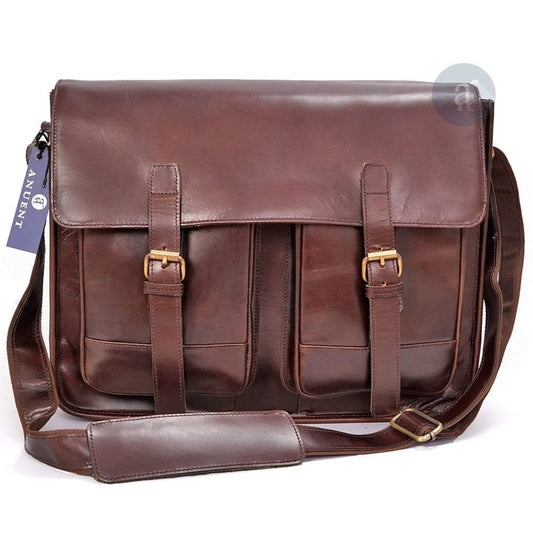
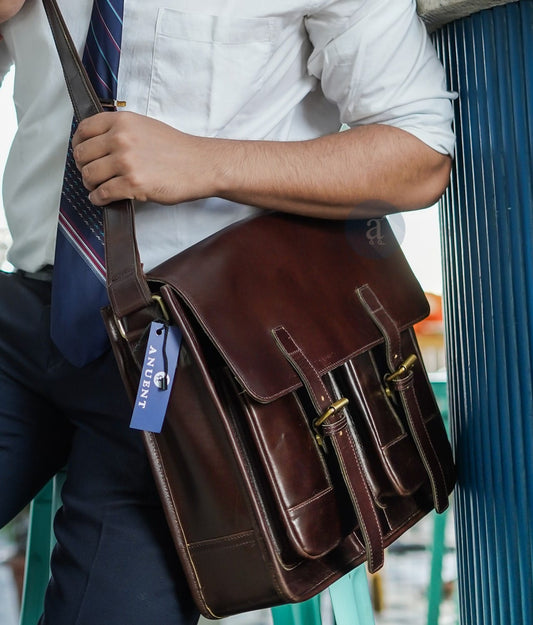
A brand new leather messenger bag with structural stiffness benefits most from a combination of conditioning and manual breaking-in.
An older bag that has dried out needs deep conditioning to restore the oils it has lost.
What You Need Before You Start
Gather these materials before beginning any softening method.
Having everything at hand prevents leaving a half-conditioned leather item sitting while you search for a cloth.
- Soft lint-free cloth — microfibre works best; avoid anything with a rough or scratchy texture
- Leather cleaner or mild soap solution — to clean the surface before conditioning
- Leather conditioner, neatsfoot oil, mink oil, or coconut oil — depending on your chosen method
- A second dry cloth — for buffing off excess product
- Newspaper or a bag shaper — for the manual breaking-in method
- A hairdryer (optional) — for the gentle heat method only, used after conditioning
Before using any product or method, test it on a small hidden area such as the inside base or the underside of a strap, and leave it for 30 minutes.
Check for any discolouration, darkening, or texture change before proceeding to the full surface.
This step takes less than a minute and protects against a mistake that cannot be undone.
Method 1: Leather Conditioner (The Recommended Method)

A dedicated leather conditioner is the safest and most reliable way to soften leather.
It is formulated specifically for the task: it replenishes oils, restores flexibility, and protects the surface without altering colour or texture.
This is the method to start with for all genuine leather goods, including bags, straps, journals, and accessories.
Materials Needed
- Leather conditioner (Leather Honey, Bickmore Bick 4, or equivalent)
- Soft lint-free cloth
- Second dry cloth for buffing
Steps
- Clean the leather surface with a dry cloth to remove dust or surface dirt. If the leather is noticeably soiled, use a leather cleaner or a mild soap solution with a damp cloth and allow it to dry completely before conditioning.
- Apply a small amount of conditioner to your lint-free cloth, not directly onto the leather. A coin-sized amount is enough to cover a standard bag panel.
- Work the conditioner into the leather using slow, circular motions. Cover the entire surface evenly, paying extra attention to creases, seams, and areas that feel particularly stiff.
- Allow the leather to absorb the conditioner at room temperature for a minimum of 15 minutes. For best results, leave it for several hours or overnight.
- Buff off any excess conditioner with the second dry cloth using light circular motions.
- If the leather still feels stiff after one application, repeat the process after 24 hours. Most leather responds fully within two to three sessions.
Safety Tips
- Never over-apply. A thin, even layer absorbs more effectively than a heavy coat.
- Do not use heat to speed up drying. Allow the leather to dry naturally at room temperature.
- Do not use this method on suede or nubuck. Those materials require specialist suede products.
Method 2: Coconut Oil

Coconut oil is a widely available natural alternative to commercial conditioners.
It works well on darker leather where slight colour deepening is acceptable, and it is a practical option when a dedicated conditioner is not immediately available.
It should not be the first choice for light tan, beige, or cream-coloured leather, as it can permanently darken the surface.
For full instructions on how to make your own leather conditioner at home using coconut oil and other natural ingredients, that guide covers the ratios and process in detail.
Materials Needed
- Virgin coconut oil
- Soft lint-free cloth
- Second dry cloth for buffing
Steps
- Clean the leather surface and allow it to dry fully.
- Scoop a very small amount of coconut oil onto your cloth. Start with less than you think you need, as coconut oil absorbs quickly and a little goes a long way.
- Apply to the leather in circular motions, covering the full surface evenly.
- Leave to absorb for at least two hours, ideally overnight.
- Buff off any excess with a dry cloth.
Safety Tips
- Always do a patch test first. Colour change on light leather is permanent.
- Do not apply to suede or nubuck.
- Do not apply heat after a coconut oil treatment. It can cause uneven absorption and surface spotting.
Method 3: Neatsfoot Oil

Neatsfoot oil is rendered from cattle shin bones and has been used in leather care for centuries.
It penetrates deeply into the leather fibre structure, making it one of the most effective natural softeners available.
It causes less colour shift than coconut oil and is particularly effective on stiff vegetable-tanned leather and older leather that has dried significantly.
Pure neatsfoot oil is preferable to compound versions, which often contain petroleum-based fillers that coat rather than penetrate the leather fibres.
Materials Needed
- Pure neatsfoot oil
- Soft lint-free cloth
- Second dry cloth for buffing
Steps
- Clean the leather and allow it to dry fully.
- Apply a small amount of neatsfoot oil to the cloth.
- Work into the leather using circular motions across the full surface, focusing on stiff or dry areas.
- Allow to absorb fully. Neatsfoot oil is slow-absorbing, so leave for a minimum of four to six hours or overnight.
- Buff off any surface residue with a dry cloth.
- Repeat after 24 hours if stiffness persists.
BUILT TO SOFTEN AND IMPROVE WITH AGE
Genuine Leather Bags That Get Better Over Time
All Anuent leather goods are made from genuine leather that softens and develops character with every use. Free shipping to USA, UK, and Canada. Free monogramming on every order.
Method 4: Mink Oil

Mink oil is extracted from the fat layer of mink pelts and has long been used as a professional leather treatment.
It softens leather effectively, adds a light water-resistant barrier, and causes minimal colour change on most leather types, making it a versatile choice for bags and accessories where appearance matters.
It is particularly well suited to chrome-tanned leather, which is used in the majority of commercially produced bags in our leather travel bag collection and everyday carry range.
Materials Needed
- Mink oil (paste or liquid format)
- Soft lint-free cloth
- Second dry cloth for buffing
Steps
- Clean the leather and allow it to dry completely.
- Apply a small amount of mink oil to the cloth.
- Work into the leather evenly using circular motions, covering the entire surface and paying attention to seam areas and strap attachment points where stiffness commonly concentrates.
- Allow to absorb for two to four hours at room temperature.
- Buff with a dry cloth to remove any remaining surface residue.
Method 5: Manual Breaking In

For leather that is structurally stiff but not dry, particularly new bags that are firm as delivered, manual breaking-in is an effective and entirely safe first step before applying any conditioning product.
This method accelerates what normal daily use does over weeks of carrying.
It works best in combination with conditioning rather than as a standalone approach.
Steps
- Empty the bag completely so you are working with the leather itself, not contending with the weight of contents.
- Hold the leather item firmly with both hands and flex it gently back and forth along its natural flex points: the base, the side panels, and any stiff strap sections.
- Use steady, moderate pressure. The goal is to flex the leather, not to stress the seams or force creases into areas that should remain flat.
- For bags, stuff the interior firmly with rolled newspaper or a bag shaper to push the panels outward gently from inside while you work the exterior.
- Continue working across every panel and strap for five to ten minutes per session.
- Follow each session with a light application of leather conditioner to nourish the fibres as they loosen.
- Repeat across two to three sessions over consecutive days for best results.
Method 6: Gentle Indirect Heat Combined With Conditioning

Mild heat opens the pores of leather, allowing conditioning oil to penetrate more deeply than it would at room temperature alone.
Used correctly, this method produces faster and more thorough softening than conditioning on its own.
The critical rule is that heat must never be applied to dry leather without conditioning first.
Applying heat to dry leather accelerates moisture evaporation and makes stiffness significantly worse.
Materials Needed
- Leather conditioner
- Soft lint-free cloth
- Hairdryer on the lowest heat setting only
Steps
- Clean the leather and allow it to dry fully.
- Apply a generous coat of leather conditioner as described in Method 1.
- Wait five minutes to allow initial absorption.
- Set the hairdryer to the lowest heat setting available.
- Hold it at least 20 centimetres from the leather surface and move it continuously. Never hold it stationary over one spot.
- Work across the leather surface for no more than 30 to 60 seconds per section.
- Flex the leather gently with your hands between passes to help the fibres loosen while warm.
- Allow to cool and absorb fully at room temperature before checking results.
Safety Tips
- Low heat setting only. Medium and high settings will damage the leather surface.
- Keep the dryer moving at all times. A stationary heat source causes uneven drying and surface scorching.
- Do not use a heat gun. The temperature range is too high for safe use on leather.
- If you are unsure of the leather type, skip heat entirely and rely on conditioning alone.
What Not to Do When Softening Leather
Several widely repeated methods for softening leather cause damage that is difficult or impossible to reverse.
Avoid all of the following:
- Rubbing alcohol: Strips the natural oils from leather fibres immediately, causing drying, cracking, and surface damage. It is a desiccant, not a softener.
- Olive oil: Goes rancid inside leather fibres over time, causing odour and internal breakdown. It is not a safe substitute for neatsfoot oil despite looking similar.
- Tumble dryer: The heat inside a tumble dryer is uncontrolled and far too high. It can warp, shrink, and crack leather permanently in a single cycle.
- Direct high heat: Hair dryers on high settings, irons, and radiators cause rapid oil evaporation and irreversible surface damage. Heat must always be low, indirect, and applied only after conditioning.
- Soaking in water: Brief dampening as a prep step is acceptable in specific methods, but fully soaking leather causes the fibres to swell and then contract unevenly as it dries, distorting shape and surface texture permanently.
- Over-conditioning: Applying conditioner more frequently than every three months saturates the fibres, causes them to break down structurally, and leaves the leather feeling greasy and limp rather than supple.
For a thorough overview of the storage and maintenance errors that shorten leather bag lifespan, the guide on how to keep leather bags from cracking covers both conditioning and storage mistakes in detail.
How to Keep Leather Soft Long-Term
Softening a stiff piece of leather is a one-off fix.
Keeping leather consistently soft is a maintenance habit, and it requires very little time once the routine is established.
- Condition every three to six months: Set a reminder and apply a light coat of leather conditioner on schedule. Do not wait until the leather feels stiff. By that point, the oil content is already very low.
- Store leather correctly: Keep leather bags away from direct sunlight, radiators, and damp environments. Store in a breathable dust bag or cotton pillowcase rather than plastic, which traps moisture and promotes mould growth.
- Use your leather items regularly: Consistent use naturally flexes the fibres and keeps them from setting rigid. A bag stored untouched for months will stiffen faster than one used daily.
- Clean before conditioning: Applying conditioner over a dirty surface seals in contaminants and prevents proper absorption. Always clean first, allow to dry, then condition.
- Stuff bags when storing: Keeping the bag filled with tissue paper or a bag shaper during storage prevents the panels from collapsing and setting into rigid creases.
The full guide on how to moisturize real leather properly explains conditioning frequency, product selection, and the early signs that leather needs treatment before visible stiffness appears.
If your leather bag has already developed surface cracks alongside stiffness, the article on caring for real leather goods covers restoration steps beyond standard conditioning.
Frequently Asked Questions
What is the best way to soften leather?
The best way to soften leather is to apply a dedicated leather conditioner using a soft cloth in circular motions, then allow the piece to dry naturally at room temperature.
Leather conditioner replenishes the natural oils lost from the hide and restores flexibility without altering the surface finish.
For most genuine leather bags and accessories, conditioning once every three to six months is sufficient to maintain consistent suppleness.
Can you use coconut oil to soften leather?
Yes, coconut oil can soften leather, but it should be used with caution.
It works well on dark leather where colour deepening is acceptable, but it can permanently darken lighter shades.
Always do a patch test on a hidden area before applying coconut oil to the full surface.
How long does it take to soften stiff leather?
A single conditioning session usually produces a noticeable difference within 24 hours as the conditioner fully absorbs and the leather fibres loosen.
For very stiff new leather or severely dried leather, two to three sessions spaced 24 hours apart are typically needed to reach full suppleness.
Manual breaking-in combined with conditioning can accelerate the process to two to three days.
Is it safe to use heat to soften leather?
Gentle indirect heat applied after conditioning is safe and can help conditioner penetrate more deeply.
The critical rule is to never apply heat to dry leather.
Always condition first, then apply low-level warmth from a hairdryer held at least 20 centimetres from the surface.
Direct high heat, radiators, and tumble dryers cause leather to dry out, crack, and become permanently damaged.
Can you soften a brand new leather bag?
Yes, and new leather bags typically respond very well to softening.
New leather is stiff because it has not yet been broken in through use and the manufacturing process leaves it in a tightly structured state.
Applying a leather conditioner combined with a few manual breaking-in sessions is usually enough to achieve noticeable softness within a few days.
The full guide on the best ways to condition and maintain a leather backpack covers break-in methods specifically for new bag structures.
What should you avoid when softening leather?
Avoid rubbing alcohol, acetone, harsh detergents, direct heat sources, and excessive soaking in water.
Also avoid over-conditioning. Applying too much product too frequently saturates the leather fibres and turns soft flexibility into structural weakness over time.
One light application every three to six months is the correct maintenance schedule for most genuine leather goods.
Does olive oil soften leather?
Olive oil should not be used to soften leather.
While it produces short-term softness, olive oil goes rancid over time inside the leather fibres, creating an unpleasant odour and accelerating internal deterioration.
Coconut oil, neatsfoot oil, and mink oil are significantly safer natural alternatives when a dedicated conditioner is not available.
How often should you condition leather to keep it soft?
For leather bags used regularly, conditioning every three to six months is the recommended schedule.
Leather exposed to dry climates, frequent sunlight, or heavy daily use may benefit from conditioning every two to three months.
Over-conditioning is a real risk. Applying conditioner more than once a month will oversaturate the fibres and cause more harm than good.
LEATHER THAT LASTS
Shop Genuine Leather Bags Built for the Long Term
From soft leather tote bags to structured leather briefcases, every Anuent piece is made from genuine leather designed to soften and improve with age. Free shipping to USA, UK, and Canada. Free monogramming on every order.