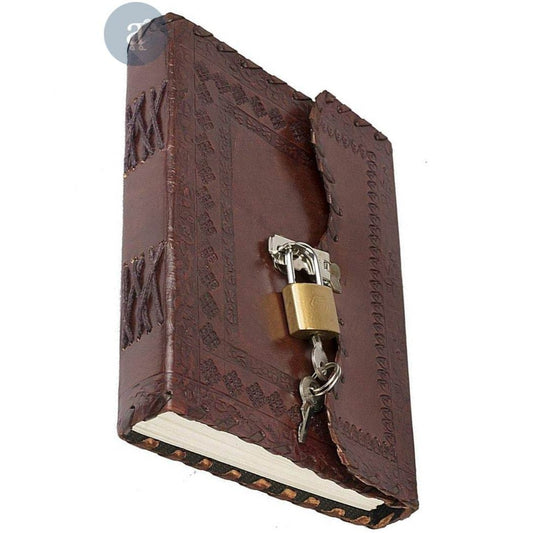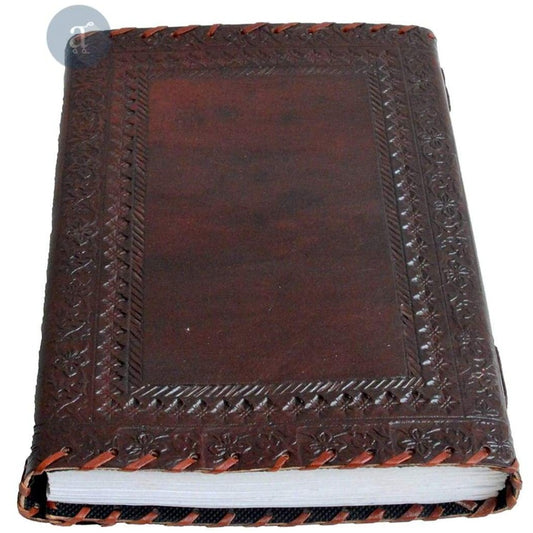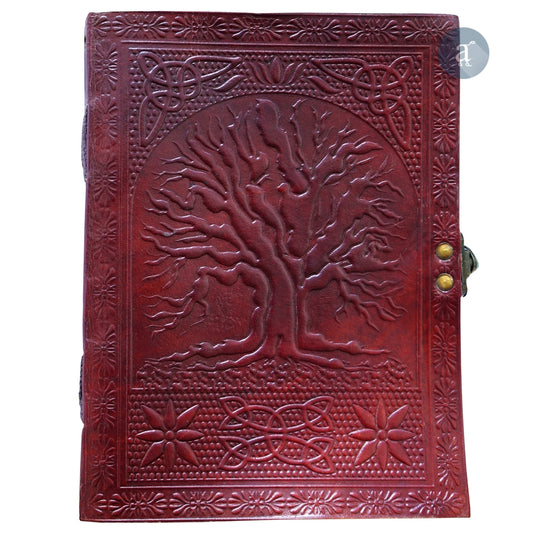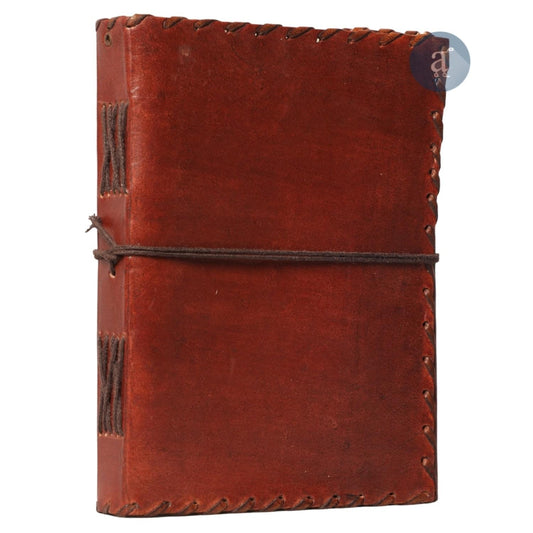

- Most vegan leather is plastic: The overwhelming majority of products sold as vegan leather are polyurethane (PU) or PVC coated onto a fabric backing. They are not plant-based. They are not biodegradable. They shed microplastics.
- Vegan leather peels because of its construction, not because of poor care: The thin plastic coating separates from the fabric backing under friction, UV, and flexing. It is a structural failure built into the material, not something maintenance can prevent.
- 74% of consumers do not know vegan leather is plastic: According to a Dooney and Bourke consumer research summary citing Atomic Research data, most shoppers assume vegan leather is a natural or plant-based material.
- Real leather does not peel; it patinas. Genuine and top-grain leather is a single solid piece of interwoven fibers with no layers to separate. It can only crack if severely neglected for years, which is entirely preventable with basic conditioning.
- The sustainability question is more complicated than either side admits: A durable real leather bag used for ten years often has a lower total environmental footprint than six rounds of cheap vegan plastic bags discarded and replaced over the same period.
WHAT YOU NEED TO KNOW
- PU leather: Polyurethane coated onto a fabric base. Softer and more flexible than PVC. Still plastic. Prone to peeling as the coating degrades.
- PVC leather: Polyvinyl chloride. Stiffer than PU, it uses chemical plasticizers that evaporate over time, causing the material to become brittle and crack within 12 to 24 months.
- Plant-based alternatives: Piñatex (pineapple), Desserto (cactus), Mylo (mushroom). More sustainable raw materials, but most still incorporate plastic binders. Piñatex's parent company, Ananas Anam, went bankrupt in August 2025.
- Standard vegan leather lifespan: 2 to 5 years in normal use. Lower-quality versions: 12 to 18 months before visible deterioration begins.
- Genuine leather lifespan: 8 to 15 years with basic maintenance. Top-grain buffalo and goat leather used by Anuent falls in this range.
- Repair difference: Vegan leather repairs are cosmetic and last 1 to 3 months. Genuine leather can be reconditioned, cleaned, and restored to genuinely better condition.
A question that surfaces regularly on r/femalefashionadvice and r/handbags sounds something like this: "I bought a vegan leather bag six months ago, and it is already peeling at the corners. Is this normal? Can it be fixed?"
The honest answer to both questions is yes, it is completely normal, and no, it cannot really be fixed in any lasting way.
This is one of the most consistent complaints about vegan leather across every bag community online, and it comes down to what vegan leather actually is, rather than how it is cared for.
This article gives a straight answer to the vegan leather debate without the marketing language from either side, covering what the material actually is, why it peels, how it compares to real leather in everyday use, and what the sustainability argument gets right and wrong on both sides.
If you are deciding between genuine leather bags and vegan leather alternatives, this is the breakdown that the product listings will not give you.
What Vegan Leather Actually Is (Not What It Sounds Like)
The term vegan leather is a marketing evolution of older names for the same category of material: faux leather, pleather, synthetic leather, and leatherette.
The name change from faux leather to vegan leather happened primarily because vegan leather sounds more ethical and less like a cheap imitation, which is better for sales.
The material itself, for the overwhelming majority of products on the market, has not fundamentally changed.
According to the Hoplok Leather durability analysis published in November 2025, the primary materials in mainstream vegan leather remain polyurethane (PU) and polyvinyl chloride (PVC), both of which are plastic-based materials derived from petroleum.
PU leather is a thin, flexible polyurethane coating applied to a fabric backing, usually polyester.
PVC leather is a stiffer plastic that requires chemical plasticizers to remain flexible enough to be usable as a bag or clothing material.
Neither material is plant-based, biodegradable, or fundamentally different from faux leather in any structural sense.
Yet according to consumer research cited by Dooney and Bourke in their 2025 materials comparison, 74 percent of consumers are unaware that most vegan leather is plastic-based.
Most shoppers assume vegan leather is a natural or at least partially natural material, when the reality is that it is a plastic product using the same fossil fuel-derived raw materials as most synthetic fabrics.
For background on how this compares to genuine leather grades, our article on how bonded leather compares to genuine leather covers the layered material construction that these categories share.
Why Vegan Leather Peels and Real Leather Do Not

The peeling behaviour of vegan leather is one of the clearest differences between the two materials, and understanding why it happens makes it impossible to attribute the failure to care or bad luck.
Vegan leather is a layered structure.
There is a fabric base, usually woven polyester, and on top of it a coating of PU or PVC that creates the leather-like surface appearance.
These two layers are bonded together, and the bond is the weak point.
As the Hoplok Leather technical breakdown explains, constant bending weakens the adhesive bond between the coating and the backing, surface friction wears through the thin plastic topcoat, and the plasticizers in PU and PVC dry out over two to five years, making the material brittle and prone to cracking away from the fabric beneath it.
Once peeling begins, it is not a surface issue that can be addressed with conditioning or cleaning.
The layers are separating, and that process continues regardless of what is applied to the surface.
Real leather, by contrast, cannot peel in the same way because it is not a layered material.
It is a single solid piece of animal hide processed through tanning into a stable, durable material whose fibers are interwoven throughout the thickness of the hide.
There are no layers to separate and no coating to crack away.
The only way real leather fails structurally is through extreme dryness causing the fibres to lose flexibility and crack, a process that takes years of complete neglect and is entirely preventable.
Our article on why real leather does not crack the same way as vegan leather does explains what causes drying in genuine leather and how to prevent it.
The Durability Numbers Side by Side
The lifespan gap between vegan leather and real leather is not a matter of opinion or brand preference.
It is a documented difference in material behavior under normal use conditions.
| Material | Primary Failure Mode | Typical Lifespan (Daily Use) | Repairable? |
|---|---|---|---|
| PVC vegan leather | Cracking as plasticizers evaporate | 1 to 2 years | No, cosmetic only |
| PU vegan leather | Peeling as a coating separates from the backing | 2 to 5 years | No, cosmetic only |
| Plant-based vegan leather | Varies by construction, still peels if PU-bonded | 3 to 8 years | Limited |
| Genuine leather (top-grain) | Drying if unconditioned for years | 8 to 15 years | Yes, restoratively |
A 2022 study by the Sustainable Apparel Coalition found that 68 percent of low-cost synthetic leather products showed visible signs of surface degradation within two years of regular use, compared to just 22 percent of equivalent real leather goods.
The repairability difference matters as much as the lifespan difference.
When vegan leather peels, temporary fixes using markers, leather paint, or patch kits cost $5 to $20 and provide one to three months of cosmetic improvement before the damage reappears.
Professional vegan leather repair costs $50 to $150 with limited success because the underlying delamination continues regardless of surface treatment.
A genuine leather bag that has aged and dried out can be reconditioned with leather balm, cleaned, and, in many cases, restored to significantly better condition than it was in before treatment.
That restorative repairability is unique to real leather and cannot be replicated with any synthetic material.
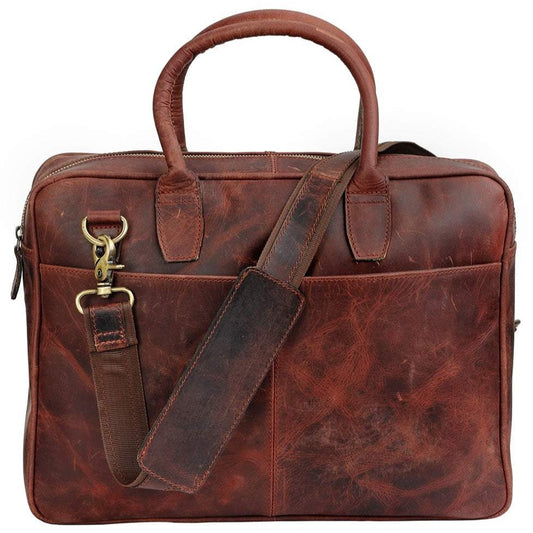
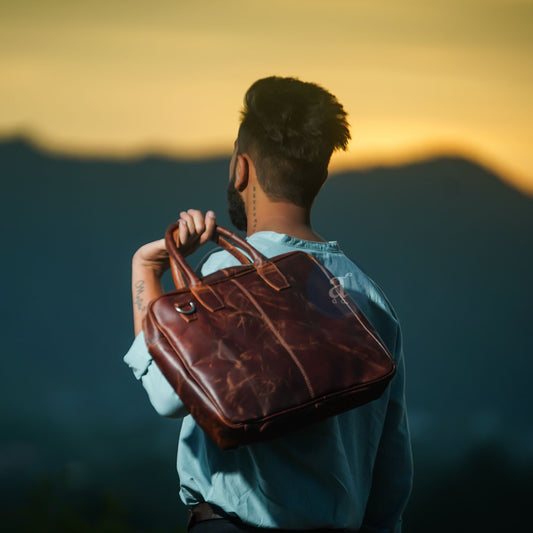
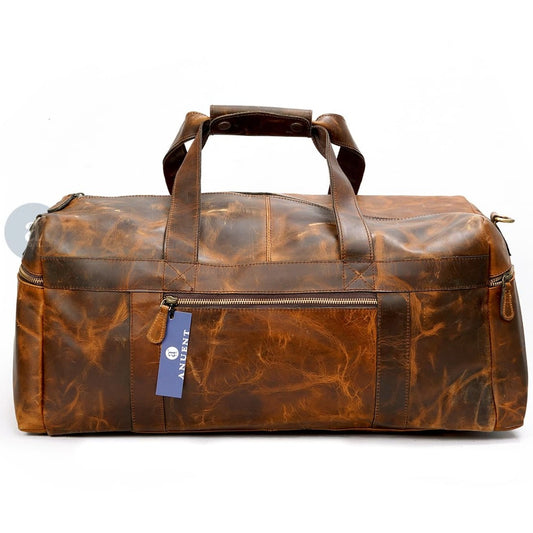
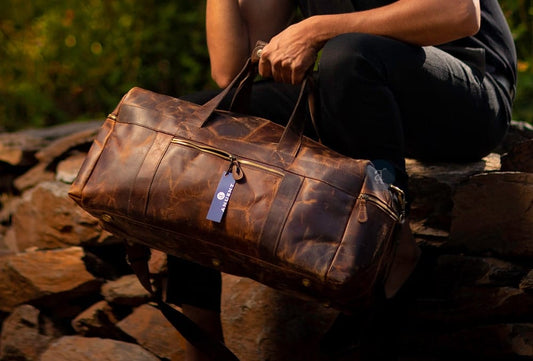
EXPERTLY CRAFTED GENUINE LEATHER
Top-Grain Buffalo and Goat Leather That Improves With Age Instead of Peeling
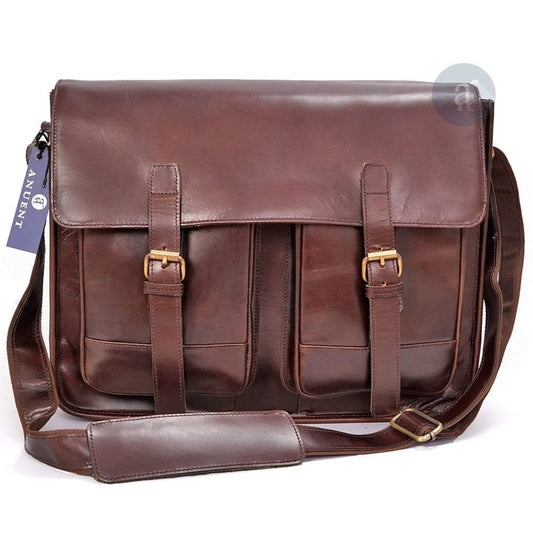
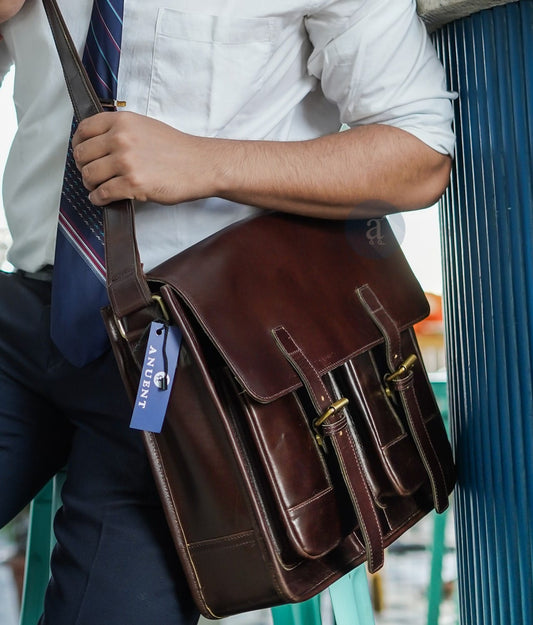
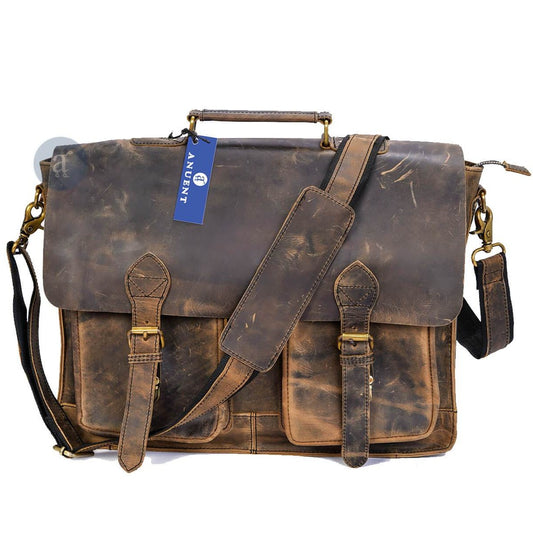
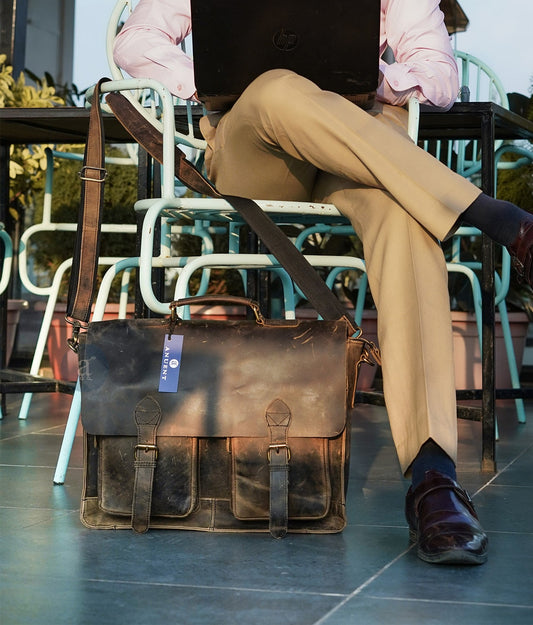
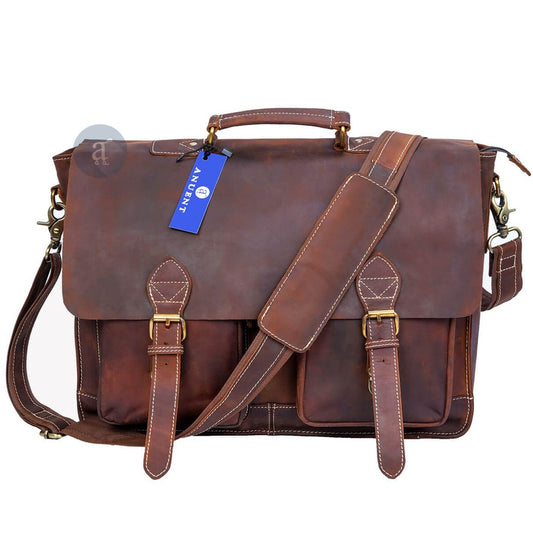
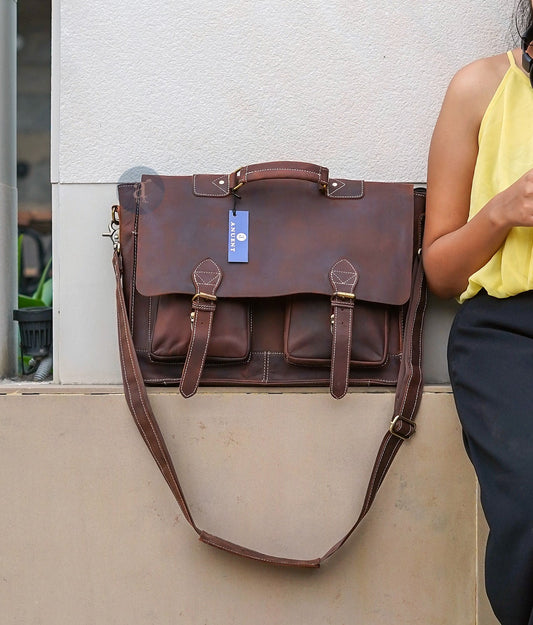
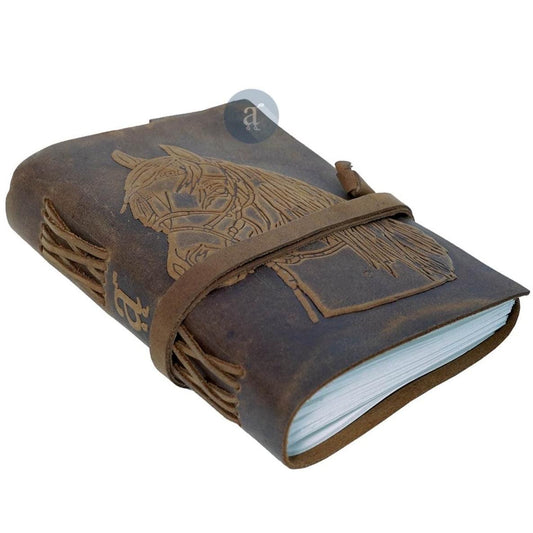
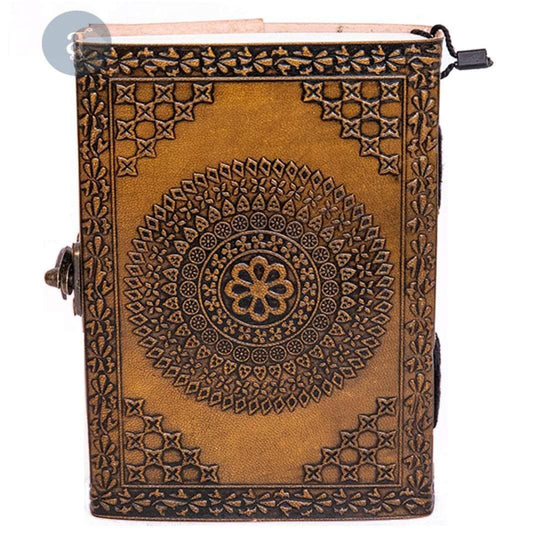
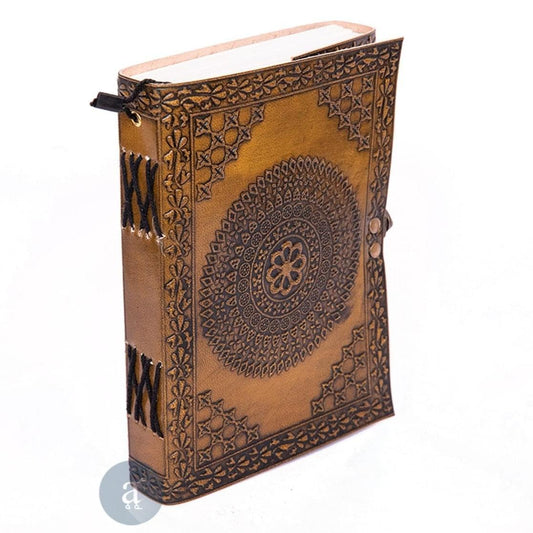
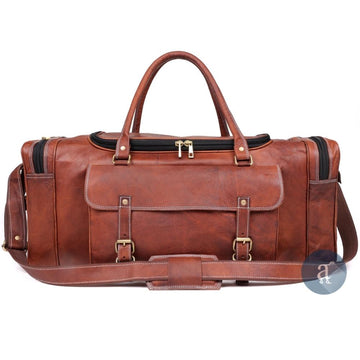
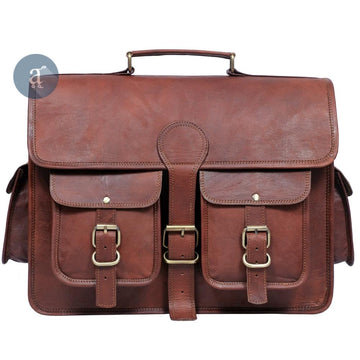
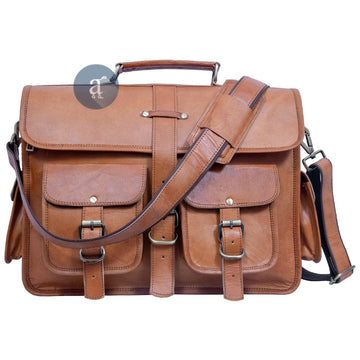
Every Anuent bag is made from top-grain buffalo or goat leather with solid brass hardware. No plastic coatings. No delamination. Free shipping to USA, UK, and Canada. Free monogramming on every order.
The Sustainability Question Both Sides Get Wrong
The most common argument for vegan leather is the environmental and ethical case: no animals, no tanning chemicals, no livestock farming.
These are genuine advantages, and they matter to many buyers.
But the sustainability argument for vegan leather has a significant flaw that rarely gets as much attention as the headline claim.
Most vegan leather is plastic derived from fossil fuels, and plastic does not biodegrade.
When a PU leather bag peels and is discarded after two years, the plastic coating and polyester backing will persist in the landfill for decades to centuries.
More importantly, every use of a PU bag sheds microplastics through friction and flexing.
A 2026 sustainability guide from No More Nobody analyzed the lifecycle comparison directly: a PU vegan bag replaced 12 times over 25 years generates 12 times the manufacturing energy and materials of one durable genuine leather bag maintained over the same period.
The real leather side of the argument is not clean either.
Conventional tanning processes using chromium have documented environmental costs, and livestock farming contributes to land use and emissions.
But the Leather Working Group (LWG), which audits tanneries on environmental standards and process quality, certifies tanneries that meet significantly higher environmental benchmarks.
Our existing article on leather bags as a sustainable alternative to synthetics covers the environmental case in more depth.
The most honest summary of the sustainability debate is this: vegan leather wins on animal welfare and wins on avoiding livestock-related emissions.
Real leather wins on longevity, biodegradability, repairability, and total lifecycle waste.
Neither material is the clear environmental winner in all dimensions, and anyone presenting it that way is selling something.
What About Plant-Based Leather Alternatives?
A genuine third category has emerged in recent years beyond standard PU and PVC: materials made from pineapple leaves (Piñatex), cactus (Desserto), mushroom mycelium (Mylo), apple peels, and other agricultural byproducts.
These materials are a meaningful improvement on PU and PVC in raw material sourcing and are genuinely more sustainable in their production phase.
However, two important caveats apply.
First, most plant-based alternatives still incorporate PU binders in their construction to hold the plant fibers together, meaning they are not fully plastic-free and share some of the same delamination risks as standard vegan leather.
Second, this market remains small and commercially fragile.
Ananas Anam, the company behind Piñatex, which was widely considered the most established plant-based leather brand, entered bankruptcy in August 2025, according to Project Cece's 2025 sustainability guide.
Plant-based leather is a promising direction, but it is not yet a mature market with the supply chain reliability, price accessibility, or proven durability data that genuine leather has accumulated over centuries of daily use.
How the Two Materials Feel and Age Differently
Beyond durability and sustainability, there is a fundamental difference in how vegan leather and real leather behave over time that matters to anyone who uses a bag daily and cares about how it looks and feels.
Vegan leather does not age.
It stays the same from day one until it begins to peel, at which point it deteriorates rather than develops character.
There is no patina, no softening of the hand-feel, no richening of the color.
The bag looks exactly the same on day one as it will on day 500, until the surface begins to degrade.
Real leather, particularly vegetable-tanned and top-grain hides, develops a patina over the years of use.
Natural oils from handling, sunlight, and the normal aging of the hide gradually deepen the color, soften the texture, and create a surface character that is entirely personal to how the bag has been used.
This is why multi-year leather bag update posts earn some of the highest engagement on r/BuyItForLife: people genuinely value seeing a bag that looks better after eight years of daily use than it did the day it was purchased.
No vegan leather bag generates that kind of response because no vegan leather bag produces that kind of result.
What to Look for When Buying a Bag That Will Actually Last
Whether you are buying genuine leather or vegan leather, the same principle applies: the quality of the material and the construction of the bag matter far more than the marketing language on the label.
Not all genuine leather is equal, and not all vegan leather is equally poor.
For genuine leather, the key indicators of quality are the leather grade (top-grain is the right level for a well-made, affordable bag), the hardware material (solid brass or zinc alloy rather than painted plastic), and the stitching density at seams and stress points.
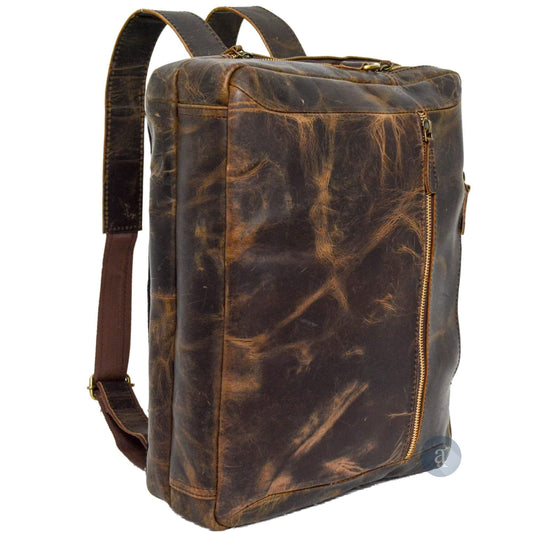
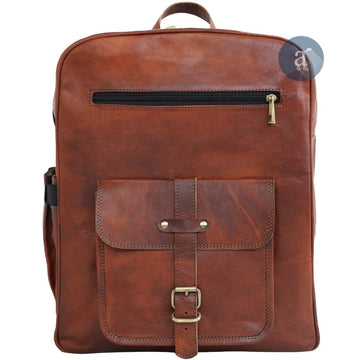
The Anuent mens leather backpack uses top-grain buffalo leather with reinforced riveted strap attachments and a padded laptop sleeve, representing the construction quality that makes the lifespan advantage of genuine leather real rather than theoretical.
For vegan leather, the most important indicator is which vegan material is actually being used.
PVC is the lowest-quality option and the most prone to cracking.
Higher-grade PU with a thicker coating and stronger backing fabric performs better.
Plant-based alternatives are the best available option, but remain expensive and not widely available.
Any vegan leather bag being sold for under $40 is almost certainly using the lowest-grade PVC or thin PU, and the lifespan expectations should be adjusted accordingly.
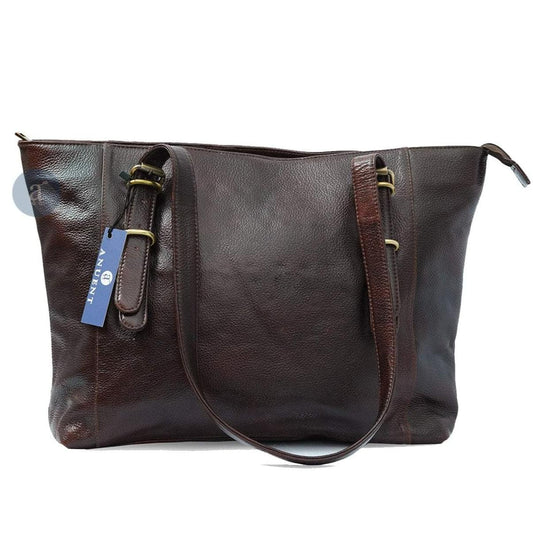
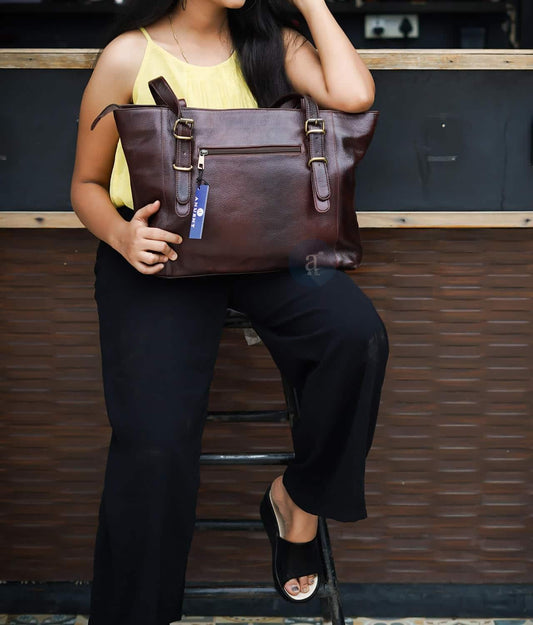
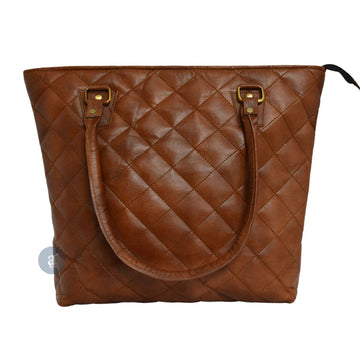
For women who want a practical everyday option that avoids the peeling problem entirely, genuine leather tote bags in top-grain cowhide or goat leather provide a clean, structured daily carry that improves rather than deteriorates with use.

Frequently Asked Questions
What is vegan leather actually made from?
The overwhelming majority of vegan leather sold today is made from polyurethane (PU) or polyvinyl chloride (PVC), both plastic-based materials coated onto a fabric backing.
Newer plant-based alternatives such as Piñatex (pineapple leaves), Desserto (cactus), and Mylo (mushroom) exist but represent a very small fraction of the market, and most still incorporate plastic binders in their construction.
Why does vegan leather peel and crack?
Vegan leather is a layered structure: a plastic coating bonded to a fabric base.
When the coating degrades through friction, UV exposure, temperature changes, or repeated flexing, it separates from the backing and begins to flake.
This is a structural failure built into the material, not something that maintenance can prevent or reverse.
How long does vegan leather last compared to real leather?
Standard PU vegan leather typically lasts 2 to 5 years before significant deterioration.
Lower-quality PVC versions begin to crack within 12 to 18 months of regular use.
Genuine leather bags with basic maintenance last 8 to 15 years of daily use.
A 2022 Sustainable Apparel Coalition study found that 68 percent of low-cost synthetic leather products showed visible degradation within two years, compared to 22 percent of real leather goods.
Is vegan leather more sustainable than real leather?
The answer depends on which environmental dimension you prioritize.
Vegan leather wins on animal welfare and livestock-related emissions.
Real leather wins on longevity, biodegradability, repairability, and total lifecycle waste when a genuine leather bag is used for a decade rather than replaced every two years.
A durable genuine leather bag maintained for ten years often has a lower total environmental footprint than five rounds of cheap PU bags discarded over the same period.
Does real leather crack?
Real leather can crack, but only through severe and prolonged neglect.
When the natural oils in the hide are depleted completely over the years without any conditioning, the fibers dry out and lose flexibility.
This is entirely preventable: conditioning the leather every three to six months with a leather balm restores natural oils and keeps the hide supple indefinitely.
A conditioned genuine leather bag will not crack in normal daily use.
Can you repair vegan leather once it starts peeling?
Repairs are cosmetic and temporary.
Surface treatments, leather paint, and patch kits provide one to three months of coverage before the damage reappears or spreads.
Professional repairs cost $50 to $150 with limited success because the delamination continues regardless of surface treatment.
The most cost-effective response to significant peeling is replacement rather than repair.
What is the difference between vegan leather and faux leather?
They refer to the same materials.
Vegan leather is the newer marketing term for PU and PVC synthetic materials previously sold as faux leather, pleather, or synthetic leather.
The name changed to emphasize the absence of animal products, but the underlying material construction for most products on the market has not changed significantly.
Are plant-based leather alternatives better than standard vegan leather?
In raw material sustainability, yes.
In terms of durability and availability, it is not yet reliable.
Most plant-based alternatives still incorporate PU binders, meaning they are not fully plastic-free.
The market remains niche and expensive, and the bankruptcy of Piñatex's parent company, Ananas Anam, in August 2025 illustrates how commercially fragile this segment remains.
Conclusion
The vegan leather vs real leather debate is usually presented as a binary choice between ethics and durability.
The reality is more nuanced on both sides.
Most vegan leather is plastic, peels within a few years, cannot be meaningfully repaired, and generates more total waste over a decade than one durable genuine leather bag used throughout the same period.
Real leather involves animal products, and conventional tanning has environmental costs, but its longevity, repairability, and patina development over decades of daily use give it a lifecycle advantage that plastic alternatives cannot match.
The most practical position, one that the Reddit bag community has arrived at consistently over years of discussions, is that a well-made, genuine leather bag bought once and maintained properly is better for your wallet, better for your daily experience, and often better for the environment than repeated rounds of cheap vegan leather replacement.
Browse Anuent's range of top-grain buffalo and goat leather bags, starting with the top-grain buffalo leather collection, where every product lists the leather grade and hide type so you know exactly what you are buying before you purchase.
NO PLASTIC. NO PEELING. NO COMPROMISE.
Genuine Leather Bags That Age Better Instead of Falling Apart
Top-grain buffalo and goat leather, solid brass hardware, no plastic coatings. Free shipping to the USA, UK, and Canada. Free monogramming on every order.