
Last Updated: March 2026
- Cost per wear is the only honest way to compare bag prices: Divide the purchase price by the total uses. A $200 leather bag used daily for eight years costs around $0.10 per use. A $30 synthetic bag, replaced every year, costs $0.12 per use and generates eight bags of waste.
- The Boots Theory explains why cheap costs more: From Terry Pratchett's 1993 novel, the theory shows that buying cheap repeatedly costs more over time than buying quality once. The r/BuyItForLife community has applied this logic to bags for over a decade.
- Lifespan is the key variable: A genuine leather bag lasts 8 to 15 years. A cheap synthetic bag lasts 1 to 3. That difference in lifespan is what drives the entire cost-per-wear advantage for leather.
- The calculation works across all bag styles: Backpacks, messenger bags, tote bags, and crossbody bags all deliver better cost-per-wear in leather than in synthetic materials over a five-year or longer ownership period.
- Three things wreck the maths: Buying poor-quality leather that peels early, not maintaining the leather, or buying a style you do not actually use. All three turn a smart investment into an expensive mistake.
WHAT YOU NEED TO KNOW
- Cost per wear formula: Purchase price divided by total number of uses. Simple, honest, and the only figure that matters when comparing bag prices.
- Anuent price range: Most bags are priced between $60 and $150, positioning them in the affordable leather category where the cost-per-wear advantage is strongest relative to cheap synthetic alternatives.
- Leather bag lifespan: 8 to 15 years with basic maintenance. Cheap synthetic bags: 1 to 3 years. Canvas bags: 3 to 6 years, depending on construction.
- r/BuyItForLife community size: Over 1.4 million members, according to Klarna and Reddit's 2023 partnership report. The subreddit's core philosophy is exactly the cost-per-wear argument applied to everyday purchases.
- The Boots Theory: From Terry Pratchett's 1993 Men at Arms. A $50 pair of quality boots bought once costs less over ten years than five pairs of $10 boots bought repeatedly. The same maths applies to bags.
- Resale value: Genuine leather bags in good condition typically resell for 20 to 40 percent of the original price. Synthetic bags have near-zero resale value.
A thread on r/BuyItForLife that gets reposted every few months goes something like this: "My wife broke her third cheap bag from Target in three years. I finally talked her into a proper leather bag. We did the maths. She spent more on the cheap ones."
This is the cost-per-wear argument in practice, and it is one of the most consistent and well-supported positions in the entire Reddit bag community.
The argument is not that you should always spend more on everything.
It is that for items you use every single day, the purchase price divided by the number of uses is a more honest measure of value than the sticker price.
And when you apply that calculation to genuine leather bags versus cheap synthetic alternatives, the maths consistently favours leather.
What Cost Per Wear Actually Means
Cost per wear is the purchase price divided by the number of times you use the item.
For a bag, one use equals one day you carry it.
A work bag used five days a week, 46 weeks a year (allowing for holidays and sick days), gets approximately 230 uses annually.
Here is what that calculation looks like across four different bag types a commuter might buy:
| Bag Type | Purchase Price | Estimated Lifespan | Total Uses (230/yr) | Cost Per Use |
|---|---|---|---|---|
| Cheap synthetic bag | $30 | 1 year | 230 | $0.13 |
| Mid-range nylon bag | $80 | 3 years | 690 | $0.12 |
| Canvas bag | $60 | 4 years | 920 | $0.07 |
| Genuine leather bag | $150 | 10 years | 2,300 | $0.07 |
The leather bag, at five times the purchase price of the cheapest option, ends up with the same cost per use as a canvas bag, and less than half the per-use cost of buying cheap synthetic bags repeatedly.
Over ten years, a person buying the $30 synthetic bag annually spends $300 in total on bags that all end up in the landfill.
The person who buys the $150 leather bag once spends $150 and still has a bag that looks better than the day it was purchased.
The Boots Theory: The Intellectual Foundation Behind the Maths
The cost-per-wear argument for bags has a famous philosophical ancestor that the r/BuyItForLife community references constantly.
It is called the Boots Theory, and it comes from a 1993 fantasy novel.
In Terry Pratchett's Men at Arms, a city watchman named Sam Vimes observes that a well-made pair of leather boots costs $50 and lasts ten years, while a cheap pair costs $10 and lasts only two years before leaking.
A man who can afford the $50 boots spends $50 over ten years and has dry feet throughout.
A man who can only afford the $10 boots spends $100 over ten years on five pairs of boots, and still has wet feet.
As Wikipedia's entry on the Boots Theory summarises, it is the economic observation that buying cheap and subpar products that need repeated replacement proves more expensive in the long run than buying quality items once.
The theory was originally about poverty and socioeconomic inequality, and that dimension remains important.
But the r/BuyItForLife community has spent more than a decade applying the same logic to everyday purchases, and bags are among the most frequently cited examples precisely because the maths is so clear and the lifespan gap between quality and cheap bags is so large.
Why Lifespan Is the Variable That Changes Everything
The entire cost-per-wear argument for leather bags rests on one claim: that genuine leather bags last significantly longer than cheap alternatives.
If that claim is wrong, the maths falls apart.
If it is right, the maths is compelling.
The evidence supports the claim strongly.
Genuine leather does not peel, delaminate, or lose structural integrity the way PU leather, bonded leather, and low-grade nylon do under daily stress.
The stitching on a well-made leather bag typically uses bonded nylon or polyester thread that resists rot and UV degradation for decades.
Solid brass or zinc alloy hardware does not rust or chip under regular use.
Our article on how long a leather backpack actually lasts covers the lifespan data in detail, but the headline figure is 8 to 15 years for a well-maintained genuine leather bag used daily.
Compare that to the typical lifespan of cheap alternatives:
| Bag Material | Typical Failure Mode | Average Lifespan (Daily Use) |
|---|---|---|
| PU / Faux leather | Surface peeling and cracking as the coating breaks down | 1 to 2 years |
| Cheap nylon/polyester | Zipper failure, seam fraying, structural collapse | 1 to 3 years |
| Canvas (standard) | Handle wear, colour fading, and lining deterioration | 3 to 5 years |
| Genuine leather | Minimal, improves with age, conditioned every 3 to 6 months | 8 to 15 years |
The r/BuyItForLife community is full of multi-year update posts from people showing bags that have been used every day for five, eight, or ten years.
These posts consistently show leather bags that look richer and more characterful than when new.
Nobody posts a five-year update on a bag that cost $30 at a supermarket chain because it has already been in a bin for four years.
EXPERTLY CRAFTED GENUINE LEATHER
Bags Built to Outlast the Maths
Top-grain buffalo and goat leather with solid brass hardware. Priced between $60 and $150. Free shipping to USA, UK, and Canada. Free monogramming on every order.
How the Cost-Per-Wear Argument Plays Out by Bag Style
The calculation works differently depending on how often you use each bag style, but it favours leather across every category when assessed over a five-year period.
Leather Backpacks: The Strongest Case
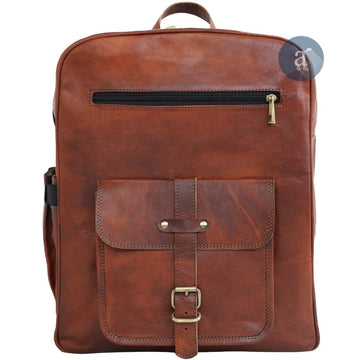
A leather backpack used five days a week for a commute delivers the strongest cost-per-wear numbers because daily carry at high frequency maximises total uses.
At 230 uses per year over ten years, a $180 leather backpack has a cost per use of under $0.08.
No synthetic backpack at any price point matches that figure when you account for the replacement cycles required over the same ten-year period.
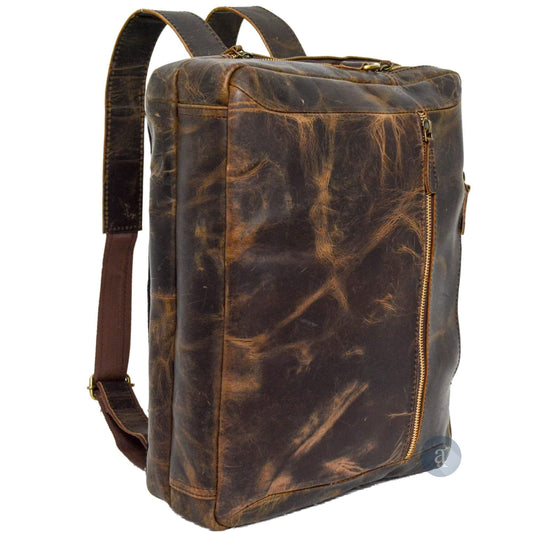
For commuters who also need to consider weight distribution over long distances, men's leather backpacks with padded straps and a back panel sit significantly more comfortably across a full commute than cheap bags whose straps begin to fray within the first year.
Leather Messenger Bags: The Office Professional Case
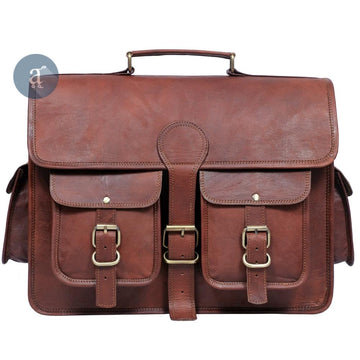
A leather messenger bag used four days a week in a professional environment delivers around 185 uses per year.
Over eight years of use, a $160 leather messenger bag has a cost per use of approximately $0.11.
Replacing a $50 synthetic messenger bag every two years over the same eight-year period costs $200 total, with a per-use cost of $0.14, and leaves you with four bags discarded.
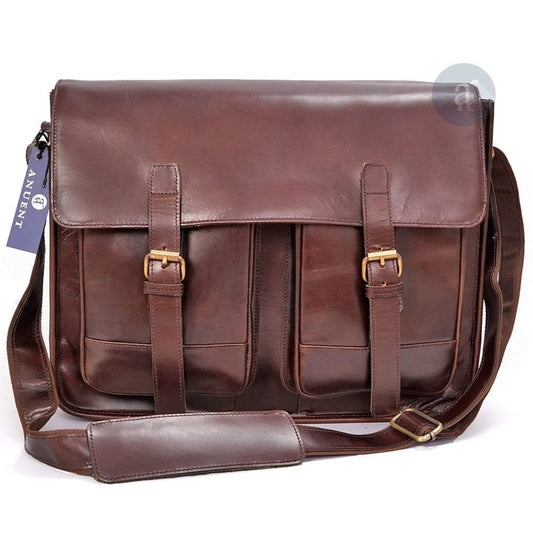
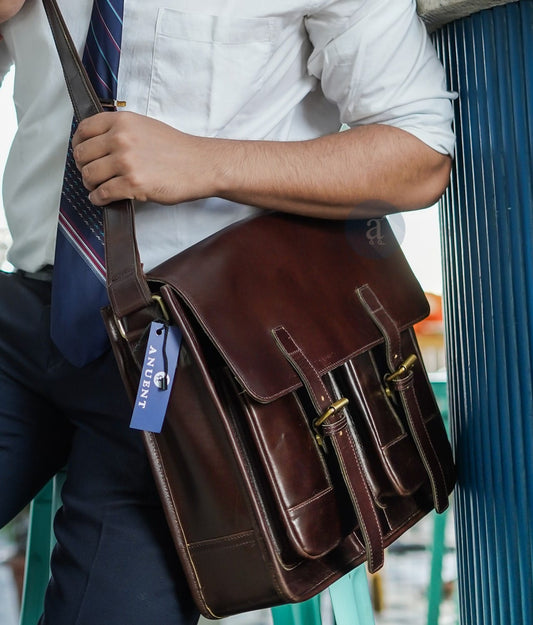
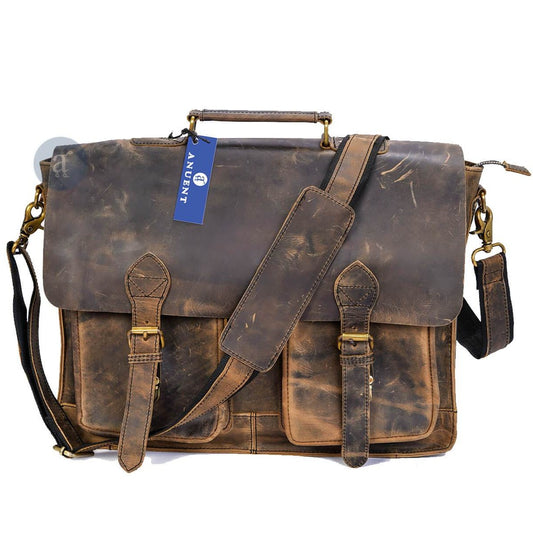
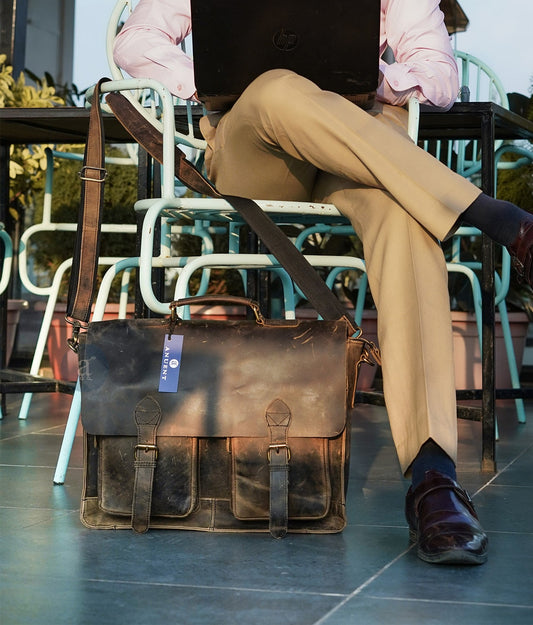
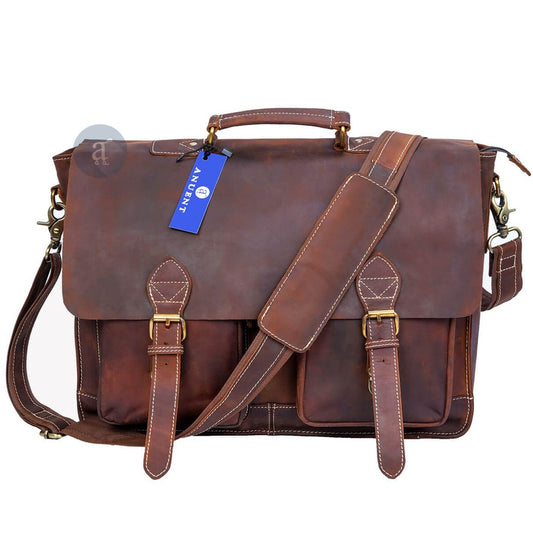
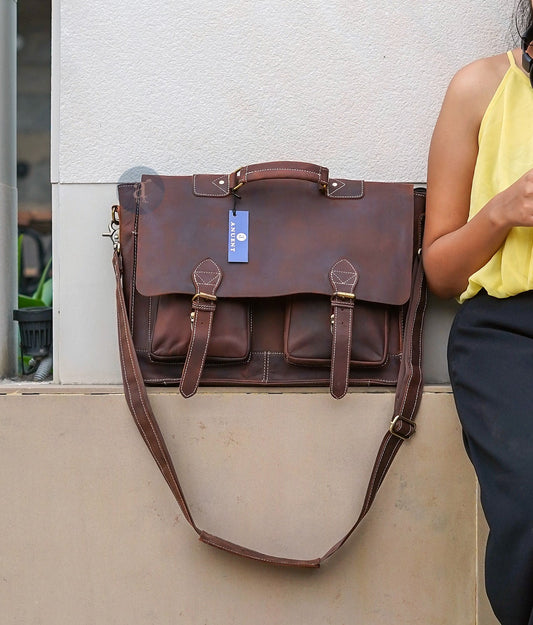
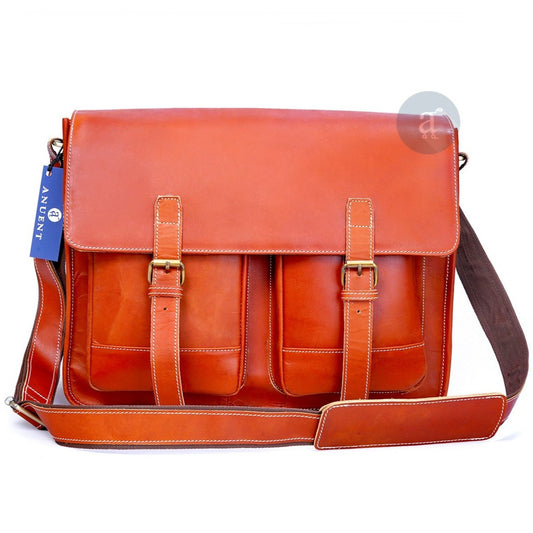
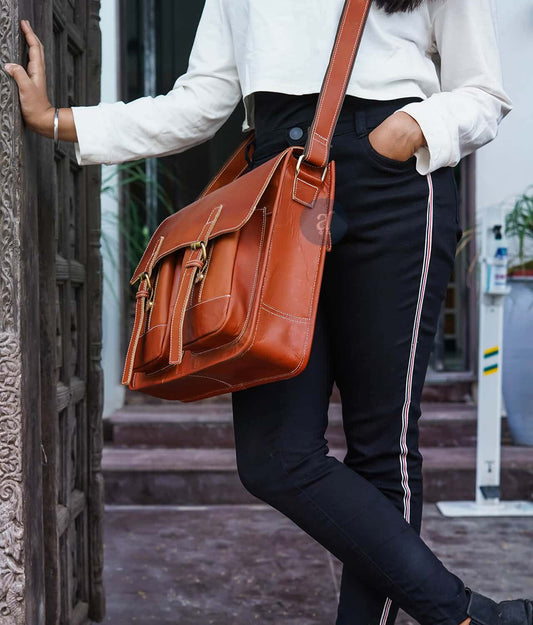
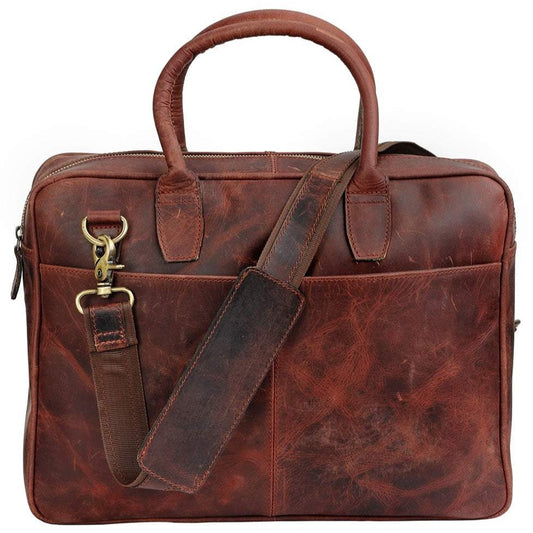
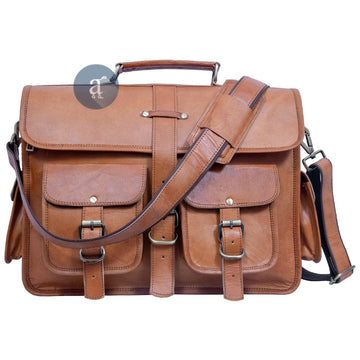
The vintage leather messenger bag from Anuent, made from top-grain leather with a structured main compartment and an adjustable shoulder strap, is exactly the kind of buy-it-once purchase the cost-per-wear argument is built around.
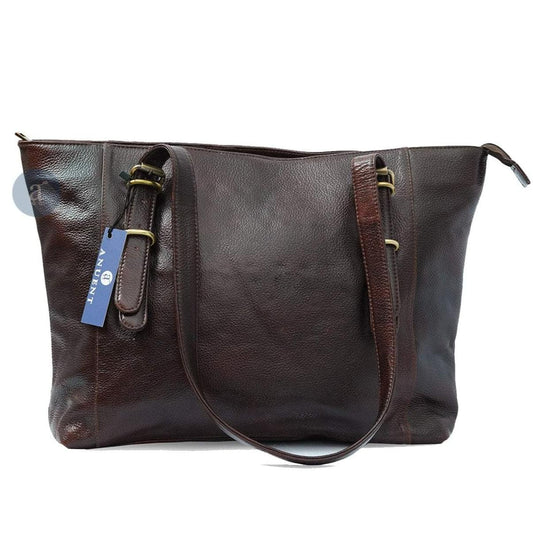
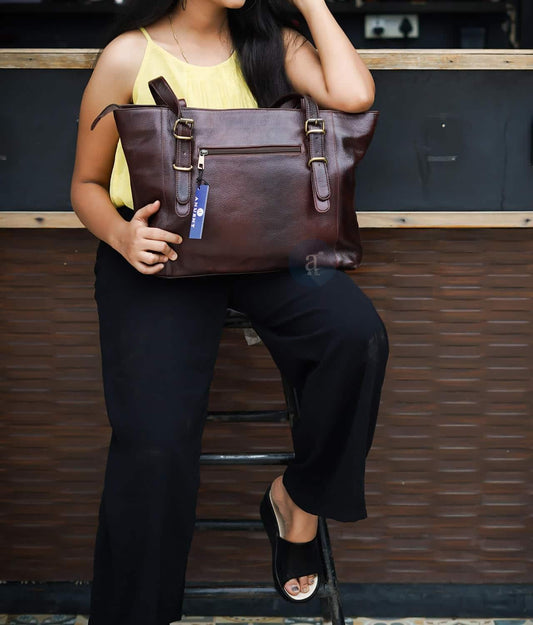
Leather Tote Bags: The Commuter and Professional Case
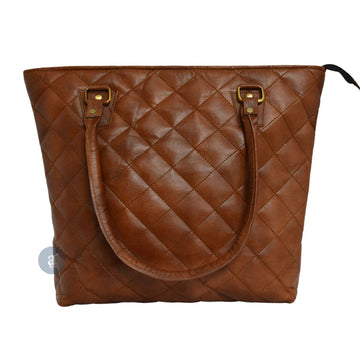
Leather tote bags used three to four days a week for office commuting or errands get approximately 150 to 185 uses per year.
The cost-per-wear advantage is still meaningful, but the main case for leather tote bags is not just financial.
A cheap canvas or synthetic tote used as a work bag develops a limp, sagging silhouette within months as the body fabric softens and loses structure under daily load.
A leather tote bag maintains its shape across years of use because the hide holds its form under weight in a way no fabric bag can replicate.
Structure, shape retention, and professional appearance are part of the total value calculation that cost-per-wear alone does not fully capture.
Weekend and Travel Bags: The Occasional Carry Case
The cost-per-wear advantage is thinner for bags used only occasionally because the total use count is lower.
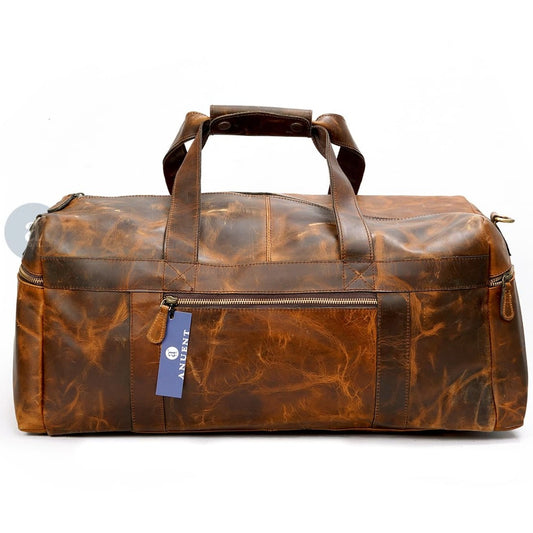
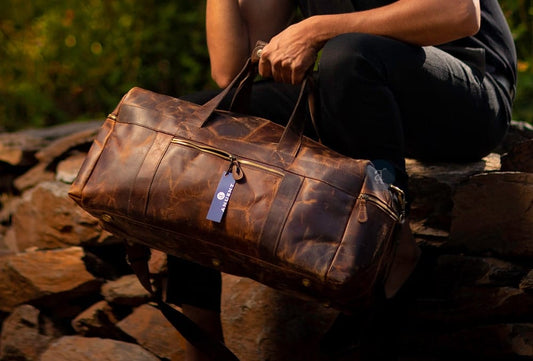
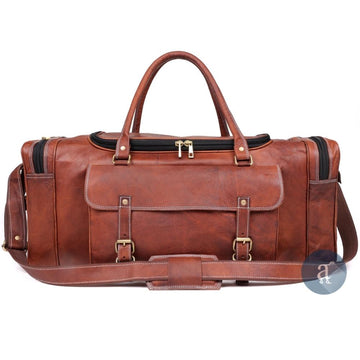
A weekend leather duffle bag used 50 times a year at $200 has a cost per use of $0.40 after ten years of use.
A $60 synthetic duffle bag used the same 50 times a year but lasting only three years has a cost per use of $0.40 and has been replaced three times.
The cost-per-wear breaks even for occasional-use bags, but the leather bag offers a significantly better experience on each of those 50 uses and does not need replacing.
For an overview of other tangible benefits beyond the financial calculation, the article on benefits of owning leather goods covers material properties, maintenance, and appearance in further detail.
The Three Things That Wreck the Cost-Per-Wear Argument
The cost-per-wear case for leather only works when three conditions are met.
When any of them fail, the maths reverses, and the leather bag becomes the expensive mistake rather than the smart investment.
Buying Poor-Quality Leather
Corrected-grain, bonded, and PU leather bags are frequently marketed with words like "genuine leather" or "real leather" despite having the lifespan of synthetic bags rather than quality leather.
A bag labelled only as "genuine leather" without further specification of the grade may last as little as two years before the surface coating peels or the structure degrades.
Our guide on the differences between leather grades explains what to look for in the product description before purchasing.
Top-grain and genuine leather from a reputable manufacturer will deliver the lifespan the cost-per-wear argument requires.
Poor-quality leather sold under misleading grade descriptions will not.
Not Maintaining the Leather
A leather bag left unconditioned for years will dry out, crack, and lose suppleness regardless of the quality of the original hide.
Conditioning a leather bag takes approximately five minutes every three to six months using a small amount of leather balm or beeswax applied with a soft cloth.
That is the only maintenance most leather bags require.
The cost-per-wear advantage assumes you provide that basic care.
Without it, even a well-made leather bag will age poorly and fail to deliver the ten-year lifespan that the calculation depends on.
Buying a Style You Do Not Actually Use
A leather bag that sits unused in a wardrobe has infinite cost per wear, regardless of how well it was made or how cheaply it was purchased.
The cost-per-wear argument applies to bags you carry regularly, not to aspirational purchases that do not match your actual daily life.
Before applying the calculation, it is worth asking honestly how often you will carry the bag in a typical week.
Daily carry bags are where the cost-per-wear advantage is undeniable.
Once-a-month use cases require a longer ownership period to make the maths work convincingly.

The Resale Value Factor: A Financial Benefit the Calculation Usually Ignores
The basic cost-per-wear calculation does not include resale value, which further improves the economics for leather bags.
A genuine leather bag in good condition after five years of careful use can typically be sold for 20 to 40 percent of its original purchase price through platforms like eBay, Poshmark, or Depop.
A five-year-old synthetic bag has essentially zero resale value, as the material degradation is visible and buyers are not interested.
If you paid $150 for a leather bag, used it for five years, and sold it for $40, your effective cost was $110 rather than $150, improving the cost-per-use figure by more than 25 percent.
This resale dynamic is one reason the r/BuyItForLife community consistently observes that quality leather items are a better financial choice than their sticker prices suggest.
How to Calculate Cost Per Wear for Any Bag You Are Considering
The calculation is straightforward and takes about thirty seconds.
- Estimate your annual uses. For a daily work bag, use 230. For a bag used three days a week, use 138. For a weekend bag, use 50 to 80.
- Estimate the lifespan. For a genuine leather bag from a reputable brand, use 8 to 10 years. For a mid-range nylon bag, use 3 to 4 years. For a cheap synthetic, use 1 to 2 years.
- Multiply annual uses by lifespan to get total uses over the ownership period.
- Divide purchase price by total uses. The result is your cost per wear.
- Compare costs per wear across the options you are considering, not their purchase prices.
The Hunter's Hide leather goods guide on cost per wear for leather bags, published in 2025, recommends assuming 250 uses per year for daily work bags and 100 uses per year for weekend bags as standard benchmarks for the calculation.
These figures align closely with the real-world usage patterns discussed across bag communities on Reddit, where most daily commuters report carrying their work bag 220 to 250 days per year.

Frequently Asked Questions
What is the cost per wear, and how does it apply to leather bags?
Cost per wear is the purchase price divided by the number of uses.
For a daily carry bag used 250 times a year, a $30 bag lasting one year costs $0.12 per use.
A $150 genuine leather bag lasting eight years costs $0.08 per use.
The leather bag is cheaper per use despite costing five times more upfront.
How long does a leather bag last compared to a cheap bag?
A well-made, genuine, or top-grain leather bag lasts 8 to 15 years of daily use with basic maintenance.
A cheap synthetic or PU leather bag typically lasts 1 to 3 years before the surface peels or the stitching fails.
That gap in lifespan is what drives the entire cost-per-wear advantage for leather.
Is a $200 leather bag actually worth it?
Yes, for a bag used daily.
A $200 leather bag used 230 days per year for eight years has a cost per use of approximately $0.11.
Replacing a $30 synthetic bag every year over eight years costs $240 total and generates eight discarded bags.
The leather bag is cheaper, more durable, and improves in appearance over time.
What is the Boots Theory, and how does it relate to leather bags?
The Boots Theory comes from Terry Pratchett's 1993 Men at Arms.
Sam Vimes observes that $50 quality boots lasting ten years cost less than five pairs of $10 boots bought over the same period.
The r/BuyItForLife community applies exactly this logic to bags: quality leather bought once at a higher price almost always costs less over time than cheap bags bought repeatedly.
Does the cost-per-wear argument work for all leather bag styles?
Yes, across all styles.
Backpacks used daily deliver the strongest numbers because high frequency maximises total uses.
Messenger bags and totes used four days a week also deliver strong results over five to eight years.
Even occasional-use leather bags typically break even on cost per use with cheap synthetic alternatives while offering a significantly better carry experience.
What ruins the cost-per-wear calculation for a leather bag?
Three things undermine the advantage: buying poor-quality leather that peels or cracks early, failing to condition the leather twice a year, and buying a style that does not match how you actually carry a bag day to day.
The maths only works if the leather bag delivers its expected lifespan.
How do I calculate cost per wear for a bag I am considering buying?
Divide the purchase price by your estimated total uses over the ownership period.
For a daily work bag, estimate 230 uses per year.
For a genuine leather bag, estimate an 8 to 10 year lifespan.
Multiply, divide, then compare that figure against cheaper alternatives that require more frequent replacement.
Does a leather bag hold its value if I decide to sell it?
Yes, meaningfully.
A genuine leather bag in good condition can often be sold for 20 to 40 percent of its original price after several years of use.
This resale value further reduces the effective cost per use and is a financial benefit that synthetic bags simply cannot match.
Conclusion
The cost-per-wear argument is not a justification for spending more money on bags.
It is a tool for understanding where spending more money actually saves money over time.
For daily carry bags used five days a week across a working career, genuine leather consistently delivers a lower cost per use than any cheaper alternative, while improving in appearance over the years rather than deteriorating.
Terry Pratchett put the underlying logic into words in 1993, and the r/BuyItForLife community has been testing and confirming it ever since with real bag update posts that prove quality leather carries its value across decades of daily use.
Browse Anuent's range of top-grain buffalo leather bags, priced between $60 and $150, where every product page includes the leather grade and hardware specification so you can make a genuinely informed purchase rather than a price-tag-driven one.
BUY ONCE. CARRY FOR YEARS.
Genuine Leather Bags Priced for the Long Game
Top-grain buffalo and goat leather, priced $60 to $150. Free shipping to the USA, UK, and Canada. Free monogramming on every order.