
Last Updated: April 12, 2026
- Leather outlasts every alternative: a well-made genuine leather bag lasts 5 to 10 years, top-grain lasts 10 to 20, and the cost per year is consistently lower than synthetic replacements bought at half the price.
- It improves with age: leather develops a patina through use that adds visual depth and character. No synthetic material replicates this quality.
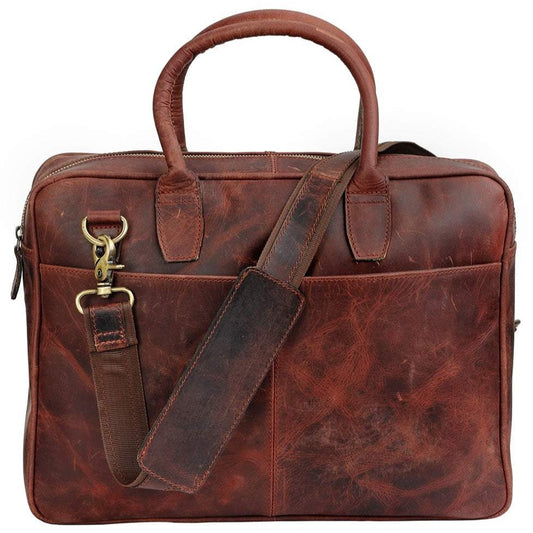
- It is a byproduct, not a primary product: leather hides come from the meat industry. Using them prevents millions of tons of organic waste from entering landfills each year.
- It is repairable: scratches buff out, conditioning restores suppleness, and a cobbler or leather repair shop can fix structural damage. Synthetic bags cannot be meaningfully repaired.
- It is versatile and timeless: a quality leather bag does not go out of style the way trend-driven synthetic accessories do. It adapts across contexts, from professional to casual, for years.
WHAT YOU NEED TO KNOW
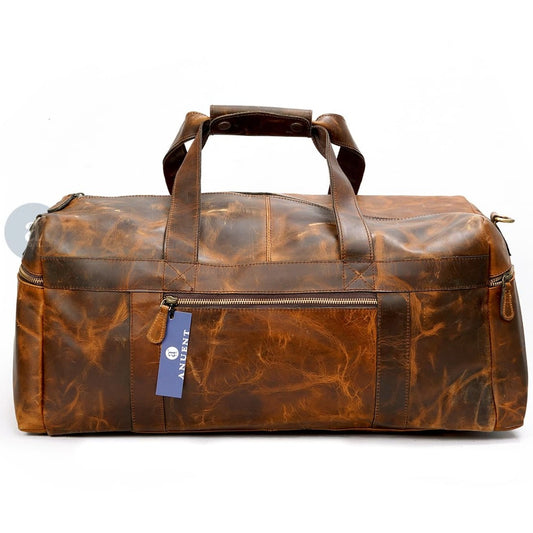
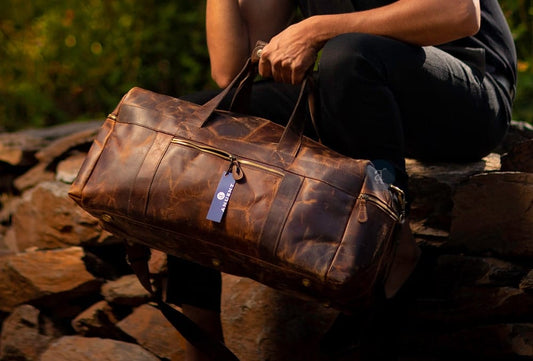
- Leather is the only bag material that gets better through use: the patina, softening, and handle darkening that come from daily carrying are features, not wear. They increase the character and value of the bag over time.
- The upfront cost is the main barrier, not the long-term cost: on a cost-per-year basis, genuine leather bags are typically more economical than synthetic alternatives that need replacing every one to three years.
- Not all leather has the same benefits: top-grain buffalo and goat leather deliver the most practical combination of durability, breathability, and character. Bonded leather and heavily coated genuine leather offer fewer of the benefits described in this article.
- Care determines outcome: leather that is conditioned regularly and stored properly reaches its full lifespan. Neglected leather dries, cracks, and underperforms regardless of grade.
- Leather is biodegradable: real leather is a natural material that decomposes over time. Synthetic alternatives such as PU and PVC are petroleum-based plastics that do not biodegrade and shed microplastics throughout their lifespan.
- The repair economy applies to leather: leather goods can be resoled, restitched, reconditioned, and recolored by skilled craftspeople. This extends their useful life in ways no synthetic product can match.
There is a reason leather has been used for bags, accessories, and everyday goods for thousands of years.
It is not nostalgia or marketing.
It is the fact that no material manufactured since has matched what leather does across the full combination of durability, feel, repairability, and long-term value.
The case for leather does not rest on luxury pricing or status signaling.
It rests on practical advantages that show up clearly when you compare the real cost, lifespan, and performance of leather goods against their synthetic alternatives.
This article covers nine of those advantages in plain terms, with enough detail to help you decide whether a genuine leather bag belongs in your life and which type of leather delivers each benefit most effectively.
You can browse the full range of options in the genuine leather bags collection once you have decided what matters most to you.
1. Leather Lasts Significantly Longer Than Any Alternative
Durability is the primary benefit of leather goods, and it is not close.
A quality genuine leather bag lasts five to ten years under regular use with basic care.
A top-grain leather bag from buffalo or goat hide lasts ten to twenty years under the same conditions.
A polyurethane or synthetic bag typically begins to show delamination, surface cracking, and stitching failure within two to four years of daily use.
The reason for this gap is structural.
Leather is made from the dense collagen fiber network of animal hide, which has evolved over millions of years to be strong, flexible, and resistant to mechanical stress.
That fiber structure does not break down quickly under the forces of daily carrying, whether that is the weight of a laptop, the friction of a shoulder strap, or the repeated opening and closing of a zipper.
Synthetic materials, by contrast, are made from polymer films bonded to fabric backings.
These films flex and work-harden over time, eventually cracking and separating from the backing regardless of how carefully the bag is treated.
The collagen fiber network in leather does not behave this way.
It compresses and softens through use rather than degrading.
2. The Cost Per Year of Ownership Is Lower Than You Think
The sticker price of a leather bag is higher than a comparable synthetic bag in most cases.
This is the point at which many buyers walk away from leather, and it is also the point at which they make a financially worse decision.
A synthetic bag bought for $40 that lasts two years costs $20 per year of ownership.
A genuine leather bag bought for $100 that lasts eight years costs $12.50 per year of ownership.
A top-grain leather bag bought for $130 that lasts fifteen years costs under $9 per year of ownership.
This calculation does not account for the replacement cost of time spent shopping for a new bag, the environmental cost of disposing of the old one, or the fact that the leather bag will likely look better in year eight than it did in year one.

Our cost per wear analysis for leather bags runs these numbers across multiple grades and price points with more detail.
3. Leather Improves With Age Rather Than Deteriorating
This is the benefit that most clearly separates leather from every other bag material.
When you use a leather bag daily, the oils from your hands gradually penetrate the surface fibers.
The leather softens slightly in the areas it contacts most.
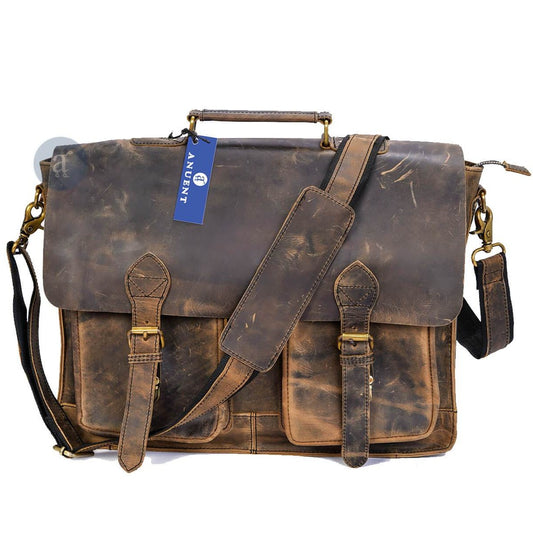
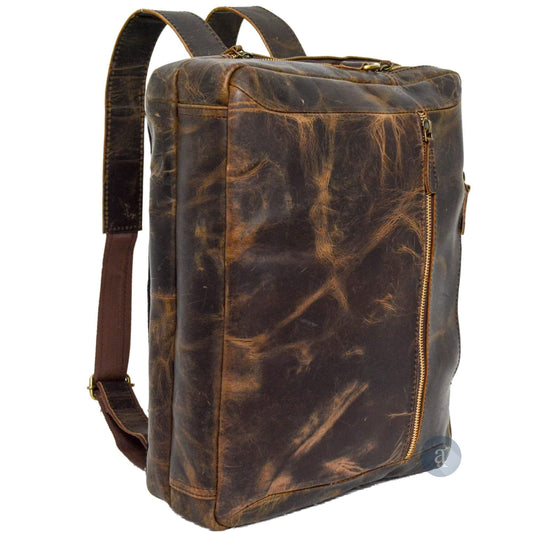
The edges and handles develop a darker, richer tone than the main panels.
A surface sheen builds up at the points of highest contact.
This process is called developing a patina, and it is not a form of wear.
It is the leather becoming more itself over time.
The same process does not happen with synthetic materials.
PU and PVC surfaces harden and crack through use rather than softening and deepening.
After five years of daily use, a synthetic bag looks worse than it did when new.
After five years of daily use, a quality leather bag looks better.
This is the characteristic that most often converts first-time leather buyers into long-term leather buyers.
4. Leather Is Repairable
One of the most undervalued benefits of genuine leather goods is that they can be fixed.
A scratch on the surface of a leather bag can often be buffed out with a dry cloth or reduced significantly with a leather conditioner.
A deeper scuff can be treated with a color-matched leather touch-up product.
Stitching that has come loose can be repaired by any skilled cobbler or leather goods repair shop for a fraction of the cost of a replacement bag.
A handle that has become stiff can be reconditioned back to suppleness.
A bag that has faded can often be recolored.
None of these repairs are possible with synthetic bags in any meaningful way.
Once a PU surface begins to peel or delaminate, the bag is finished.
Once the bonded leather on a wallet cracks, it cannot be restored.
Leather's repairability is one of the reasons quality leather goods can be passed down across generations.
The bag your grandfather carried, properly maintained, is still a better bag than a new synthetic alternative bought today.
5. Leather Is a Natural, Breathable Material
Leather is a biological material with an open fiber structure that allows air and moisture vapor to pass through it in both directions.
This breathability has practical consequences for everyday use.
A laptop carried in a leather bag does not trap heat the way it does in a synthetic neoprene or polyester sleeve.
A leather tote carried on the shoulder in warm weather feels more comfortable against the body than a synthetic bag because the leather does not create a sealed, sweaty contact surface.
Leather wallet pockets do not create the humid environment that encourages the card surface degradation common in synthetic alternatives.
This is particularly true of top-grain leather from buffalo and goat hide, both of which have a naturally open grain structure before any surface coating is applied.
Heavily coated genuine leather loses much of this breathability as the polymer seals the surface, which is one of the reasons grade matters beyond durability.
6. Leather Is Stronger Than Its Weight Suggests
A common concern about leather bags is that they are heavy.
This is worth addressing directly, because while leather is denser than nylon or polyester, the weight difference in a finished bag is often smaller than expected.
More importantly, the strength-to-weight ratio of leather is exceptional.
A leather tote bag that weighs 1.2 pounds can carry forty pounds of load without structural failure because the collagen fiber network of the hide distributes stress across the entire material rather than concentrating it at stress points.
Nylon bags can match this load capacity, but they achieve it with thicker webbing, denser fabric, and more hardware, which closes the weight gap considerably.
Canvas bags achieve load capacity but sacrifice the durability and water resistance that leather provides.
If you want a detailed breakdown of how leather compares on weight in real-world use, our guide on whether leather bags are too heavy addresses the most common concerns with specific bag-type comparisons.
7. Leather Uses a Natural Byproduct Rather Than Creating New Waste
The environmental case for leather is more nuanced than either its critics or advocates often acknowledge.
What is straightforward is that leather hides are a byproduct of the meat and dairy industries.
Animals are not raised primarily for their hides.
When the hide is not used to make leather, it goes to a landfill or is incinerated.
The Leather and Hide Council of America estimates that not using available hides in the US alone would result in more than 30 million unused hides per year, generating millions of tons of greenhouse gas emissions through decomposition.
Using those hides to make leather goods that last ten to twenty years is a more resource-efficient outcome than discarding them and making a synthetic replacement product from petrochemicals.
Real leather is also biodegradable.
When a leather bag reaches the end of its very long useful life, it will decompose in a landfill over time.
A PU or PVC synthetic bag will not.
It will shed microplastics throughout its lifespan and remain in a landfill indefinitely.
8. Leather Is Timeless in Style and Versatile Across Contexts
Leather goods do not follow seasonal trends.
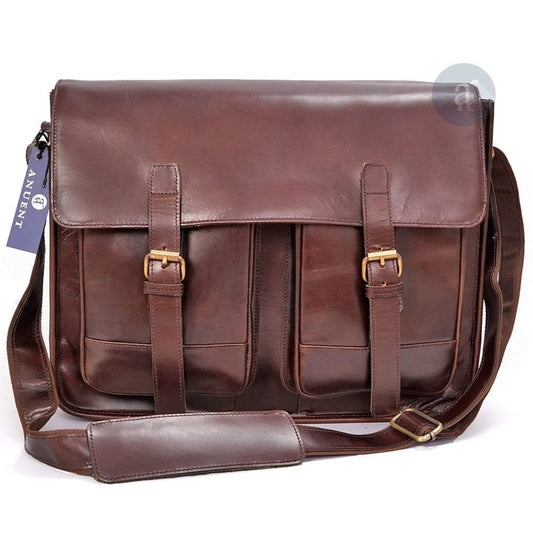
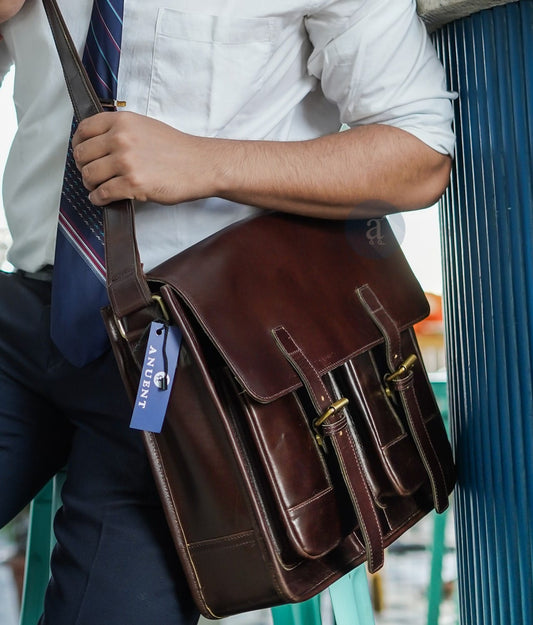
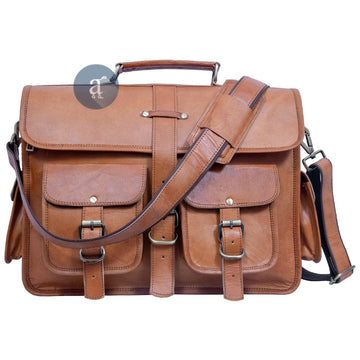
A dark brown leather briefcase purchased in 2010 looks appropriate and professional in 2026 in a way that a trend-driven nylon bag from the same year does not.
This is not an accident of aesthetics.
It is a function of the material's natural variation and organic surface texture, which read as classic rather than dated because they are not tied to any particular design era.
Leather also transitions across contexts in a way that synthetic materials struggle to match.
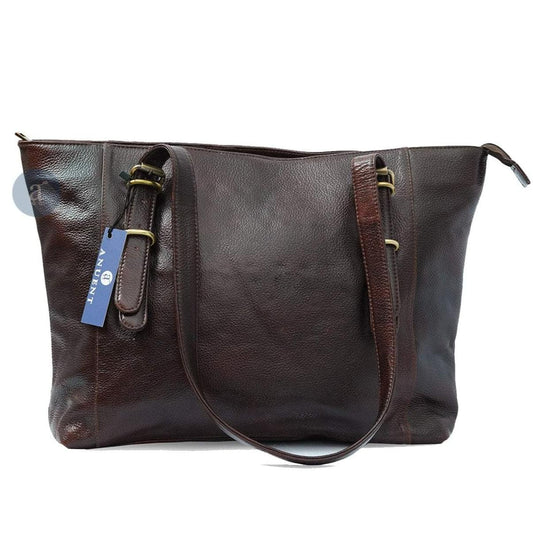
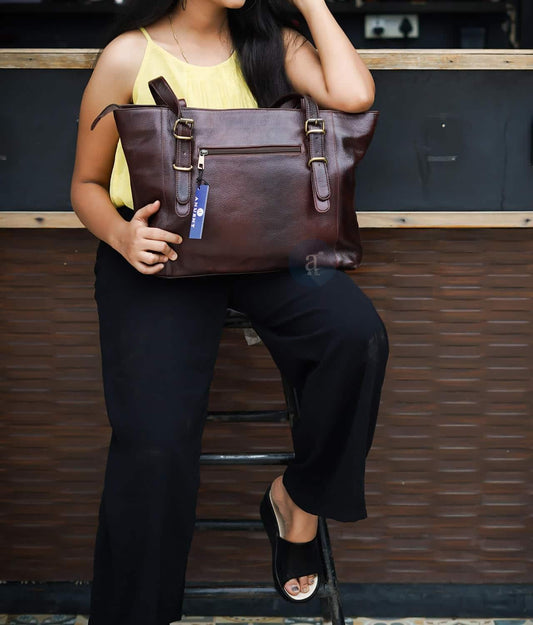
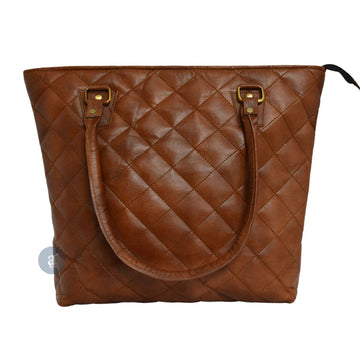
A quality leather tote works in a business meeting, at a weekend market, on a short trip, and at a casual dinner without looking out of place in any of them.
A nylon backpack does not carry the same contextual flexibility.
For a practical guide to choosing the right leather color for different contexts and wardrobe combinations, our leather bag color guide covers the decisions most buyers face when selecting their first or next leather bag.
Bags Built to Last. Priced to Make Sense.
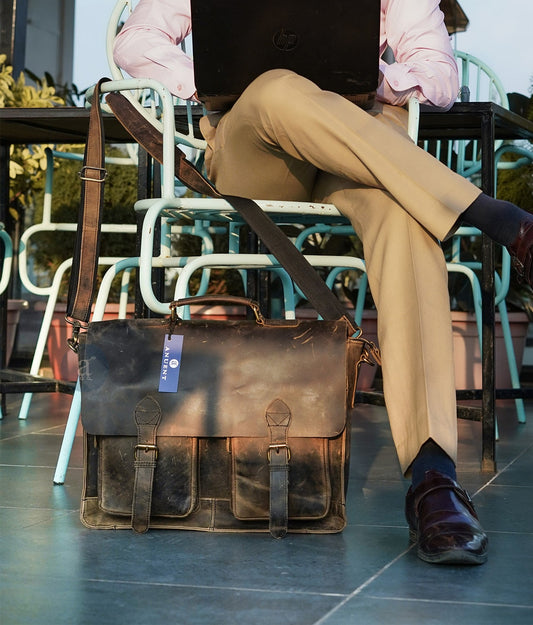
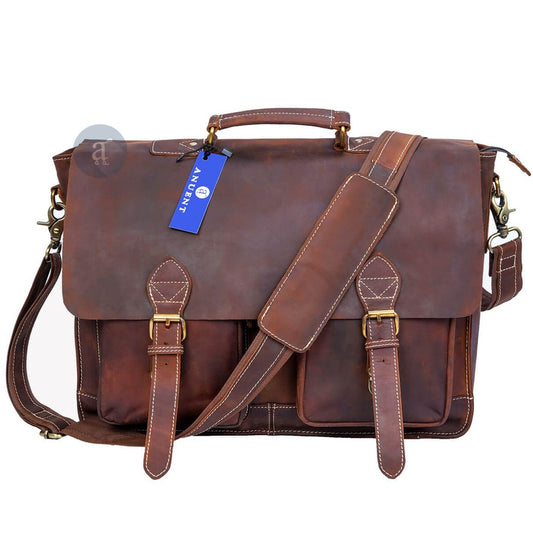
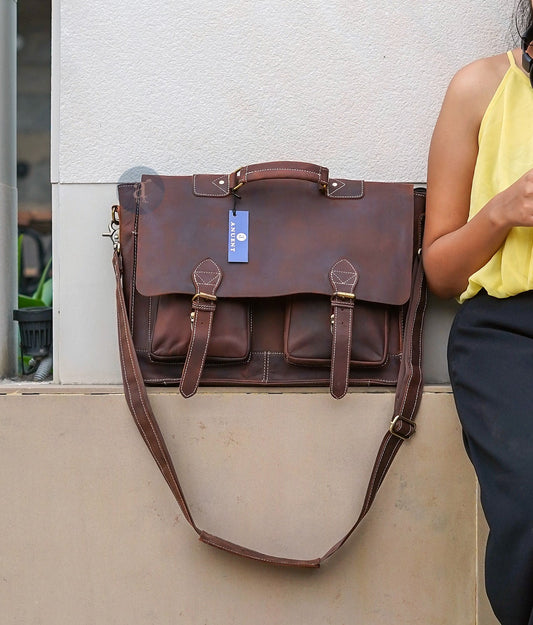
Anuent's top-grain buffalo and goat leather bags are expertly crafted for everyday durability, starting from $60. Real leather, real value.
9. Leather Holds Its Shape and Structure Over Time
A leather bag carries its shape through years of use in a way that fabric bags simply cannot.
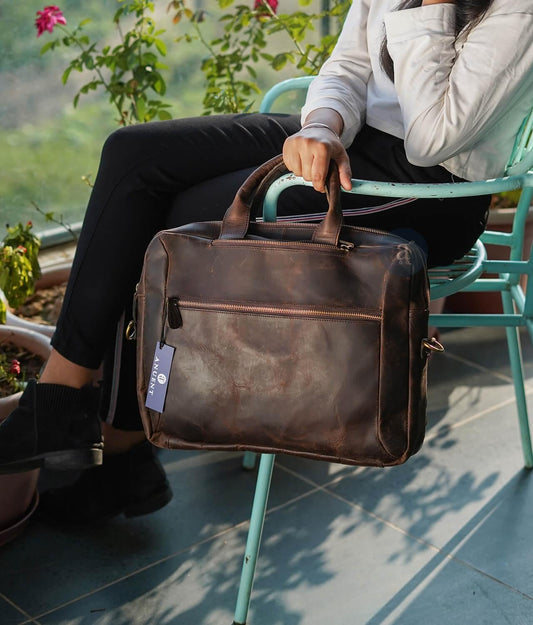
The density and rigidity of the hide mean that a structured leather tote does not collapse when you set it down, a leather briefcase does not sag when it is half-empty, and a leather backpack does not lose its form after a season of regular use.
This structural integrity is not just an aesthetic benefit.
It protects the bag's contents.
A laptop inside a structured leather bag is better protected from minor impacts than one inside a slouchy fabric tote because the leather panels absorb and distribute force rather than transferring it directly to the contents.
Structural integrity also affects how the bag wears on the body.
A structured leather bag that holds its form distributes its load more evenly across the shoulder or back than a fabric bag that collapses and concentrates its weight at a single point.
If you are evaluating leather bags specifically for their construction quality and long-term structural performance, the buy-it-for-life leather bag checklist gives you a complete list of what to inspect before purchasing.

Which Type of Leather Delivers These Benefits Best?
Not all leather delivers all nine of these benefits equally.
The grade of leather and the animal it comes from determine how strongly each benefit applies in practice.
Top-grain buffalo leather delivers the best combination across all nine benefits for everyday bags.
It is dense, abrasion-resistant, breathable, and develops genuine character over time.
Top-grain goat leather is lighter and finer-grained, making it particularly well-suited to structured bags and purses where a precise, clean finish matters.
Genuine leather delivers the durability and repairability benefits at a lower price point but offers less breathability and less pronounced patina development than the grades above it.
Bonded leather and synthetic materials deliver almost none of these benefits reliably.
They are cheaper upfront but more expensive per year of ownership and are completely absent from the repairability, patina, and structural integrity categories.
For a detailed explanation of how the grades compare, our guide on the leather grades and their differences covers each one with specific performance data.
If you want to understand what separates the different types of leather beyond the grade hierarchy, our full guide to understanding leather types covers tanning methods, animal sources, and what each combination produces in practice.
How to Make Sure Your Leather Bag Delivers All of These Benefits
The benefits described in this article do not happen automatically.
They require the right leather, the right construction, and the right care.
On the leather side, choosing top-grain buffalo or goat leather over genuine leather or bonded leather is the single most important decision.
The grade gap in durability and patina development between these materials is significant and shows up clearly within the first two years of use.
On the construction side, look for solid brass or zinc hardware, reinforced stitching at stress points, and lining that is sewn rather than glued.
These details determine whether the bag holds together through years of use or fails at a junction point long before the leather itself gives out.
On the care side, conditioning the leather every three to four months with a quality conditioner is the minimum commitment required to unlock the full lifespan of the material.
Without conditioning, even the best leather will dry out, stiffen, and eventually crack at the flex points.
With it, the same leather will soften, develop character, and remain structurally sound for a decade or more.
Our complete leather care guide covers everything you need to maintain your bag properly from day one.
Ready to Own a Bag That Lasts?
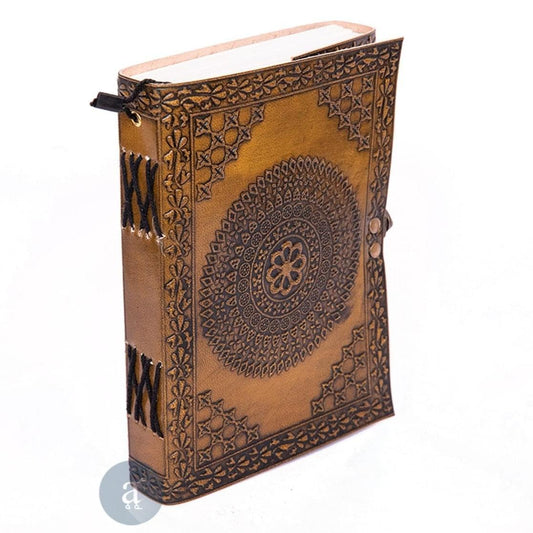
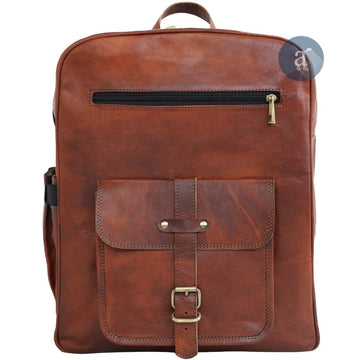
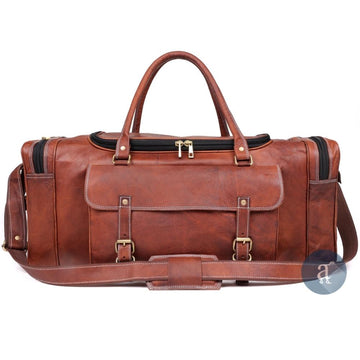
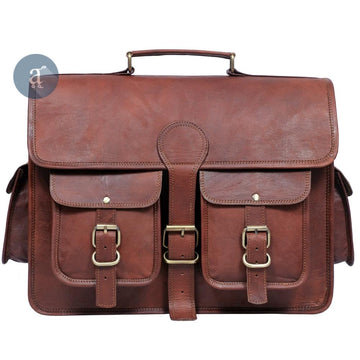
Browse Anuent's range of top-grain buffalo and goat leather bags, from crossbody bags and backpacks to totes and briefcases. Prices start at $60.
View the Full Briefcase CollectionFrequently Asked Questions
What are the main benefits of buying genuine leather goods?
The main benefits are durability, repairability, breathability, and long-term value.
Genuine leather bags last significantly longer than synthetic alternatives, can be repaired when damaged, breathe naturally against the body, and develop a patina through use that improves their appearance over time.
On a cost-per-year basis, quality leather goods are typically more economical than synthetic alternatives that need replacing every one to three years.
Does leather really last longer than synthetic materials?
Yes, reliably and by a significant margin.
A quality, genuine leather bag typically lasts five to ten years under daily use.
A top-grain leather bag from buffalo or goat hide lasts ten to twenty years.
Synthetic bags made from PU or PVC typically show surface failure within two to four years of daily use, regardless of how carefully they are maintained.
Is leather good for the environment?
The honest answer is nuanced.
Leather hides are a byproduct of the meat industry, and using them prevents millions of tons of organic material from going to landfill each year.
Real leather is biodegradable, unlike synthetic alternatives, which are petrochemical plastics that shed microplastics and persist in landfills indefinitely.
The tanning process does have environmental impacts, particularly chrome tanning at scale, which is why vegetable tanning and responsible sourcing matter for buyers who prioritize sustainability.
What makes leather bags better than fabric bags?
Leather bags outperform fabric bags in durability, structure, water resistance, and long-term appearance.
Fabric bags absorb moisture, lose their shape over time, and cannot develop the patina that gives leather goods their increasing character and value.
Leather also offers better protection for bag contents because the dense hide material absorbs and distributes impact rather than transferring it directly to what is inside.
Can leather bags be repaired?
Yes, and this is one of leather's most underrated benefits.
Surface scratches can be buffed out or treated with conditioning products.
Deeper damage can be addressed with color-matched leather repair kits.
Structural issues such as broken stitching, loose handles, or damaged hardware can be repaired by a cobbler or leather goods specialist.
Synthetic bags cannot be meaningfully repaired once the surface begins to peel or the structure fails.
How do I make my leather goods last as long as possible?
Regular conditioning is the most important step.
Apply a quality leather conditioner every three to four months to keep the fibers supple and prevent drying and cracking.
Keep the bag away from direct sunlight and heat sources, which dry the leather rapidly.
Store the bag in a breathable dust bag with its shape supported when not in use.
Address surface stains immediately by blotting rather than rubbing.
Is genuine leather worth the higher price?
On a cost-per-year basis, yes, in almost every case.
The higher upfront cost is offset by the significantly longer lifespan of leather compared to synthetic alternatives.
A genuine leather bag bought for $100 that lasts eight years costs less per year than a synthetic bag bought for $40 that lasts two years.
When you factor in the aesthetic improvement leather undergoes through use, the value proposition is even stronger.
What type of leather gives the most benefits?
Top-grain buffalo leather delivers the best practical combination of durability, breathability, structural integrity, and character development for everyday bags.
Goat leather is the better choice for finer, more structured pieces where a cleaner grain and lighter weight are priorities.
Both materials sit above genuine leather in the grade hierarchy and deliver the full set of benefits described in this article more completely than any lower grade.