
Last Updated: March 2026
- Seven things separate a BIFL bag from a good-looking bag that fails in year two: leather grade, hardware material, stitching quality, edge finishing, lining construction, strap attachment, and repairability. All seven need to pass, not just the ones visible in product photos.
- Hardware is the most overlooked and most common failure point: Solid brass or quality zinc alloy for all fittings. YKK or equivalent zippers. Hardware riveted or sewn through the leather, not glued. Base feet on structured bags.
- Stress points are where cheap bags reveal themselves: Handle bases, strap attachment rings, and bag corners should have reinforced stitching or rivets. A quality bag is over-engineered at these points, not minimally engineered.
- Repairability is a BIFL non-negotiable: The r/BuyItForLife community specifically looks for bags where zippers can be replaced, straps can be swapped, and hardware is riveted rather than glued. A bag you cannot repair is not buy it for life, it is just expensive.
- Price is not a reliable signal above a minimum threshold: A well-constructed $150 leather bag passes the BIFL checklist more reliably than a $400 bag with weak hardware and glued fittings. The checklist is what matters, not the sticker price.
WHAT YOU NEED TO KNOW
- r/BuyItForLife community size: Over 1.4 million members. The community applies a consistent set of quality criteria to leather bags before recommending them, and multi-year update posts from members who have used the same bag daily for five, eight, or ten years provide real-world confirmation of which construction choices hold up.
- The seven BIFL checklist points: Leather grade, hardware material, stitching quality, edge finishing, lining construction, strap attachment method, and repairability.
- Hardware failure is the most common cause of early bag retirement: A zipper that jams, a clasp that opens unexpectedly, or a strap ring that bends under weight turns a bag you liked into one you avoid carrying.
- Burnished edges vs painted edges: Burnished edges are more durable. Painted edges chip and peel. The edge finishing is one of the clearest visible differences between a bag that will last ten years and one that looks aged after eighteen months.
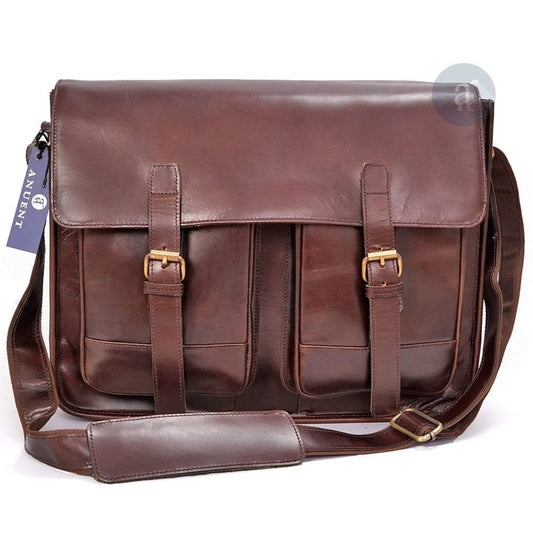
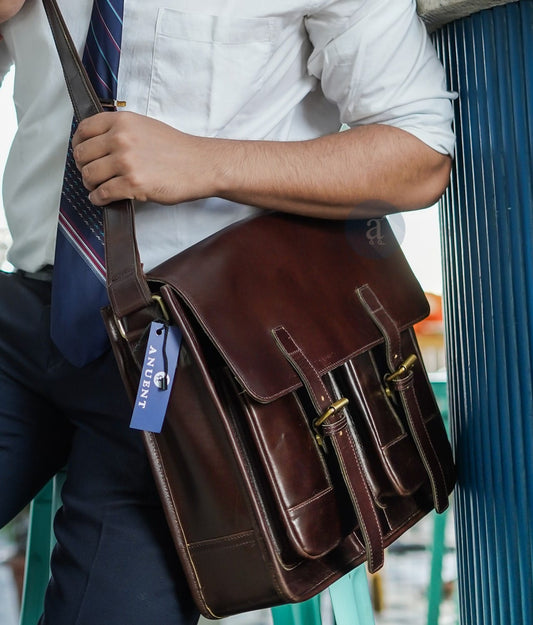
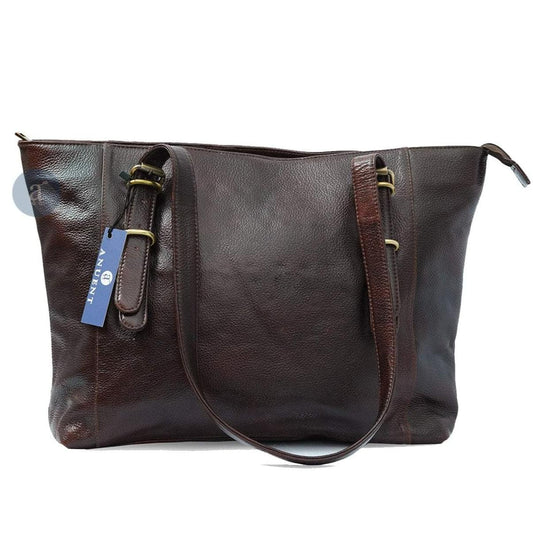
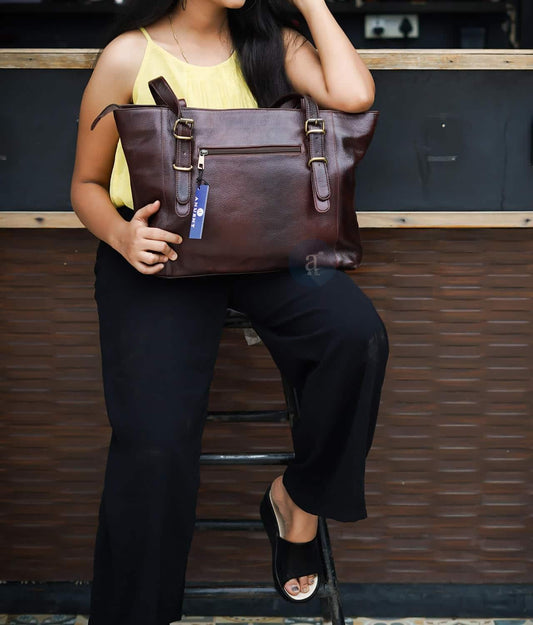
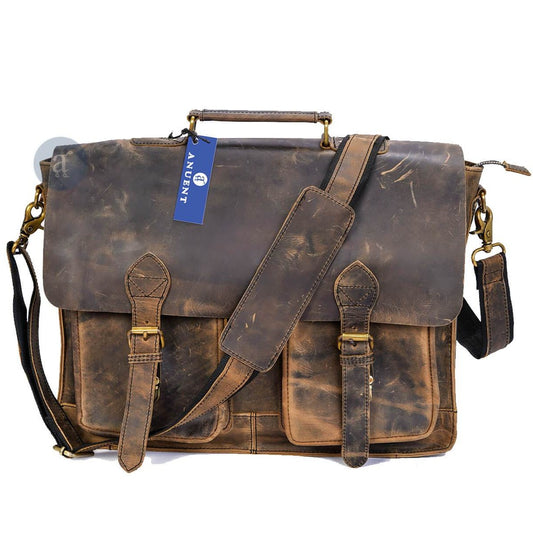
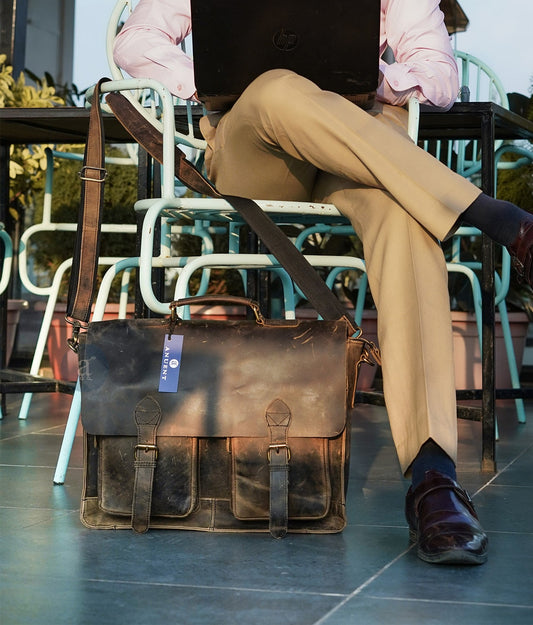
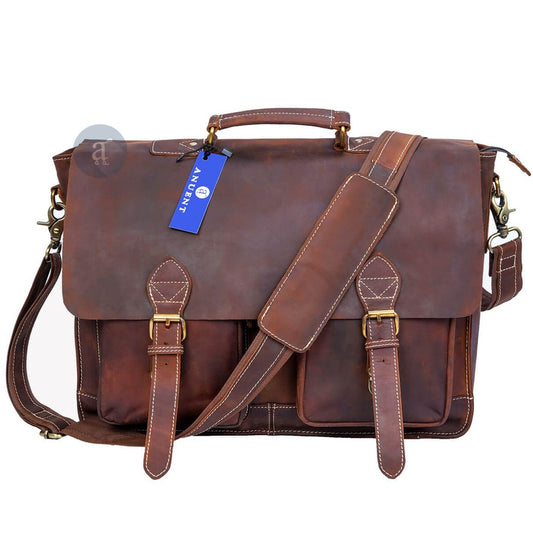
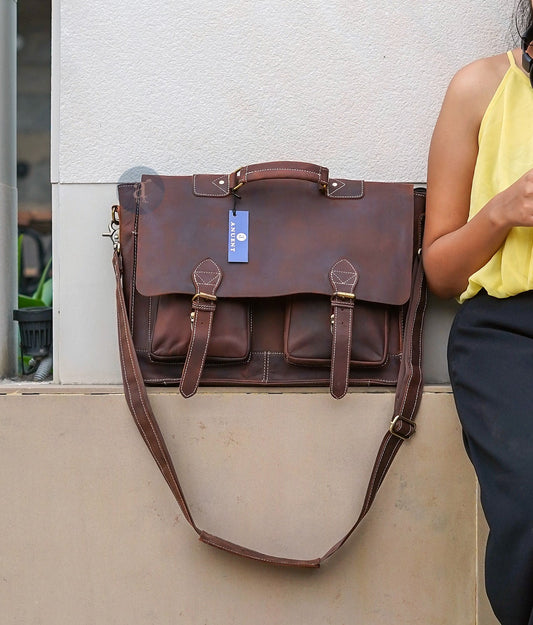
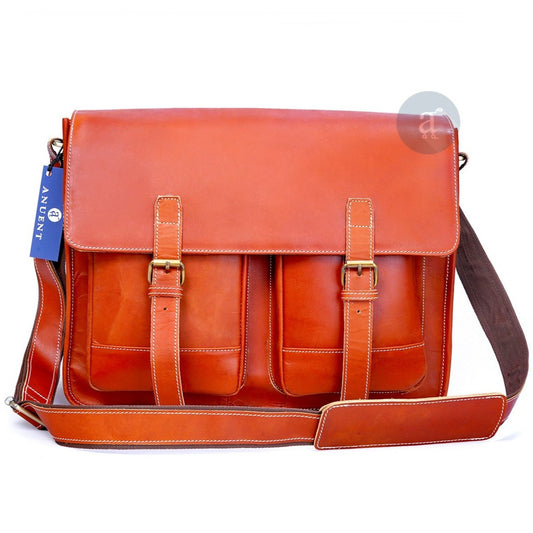
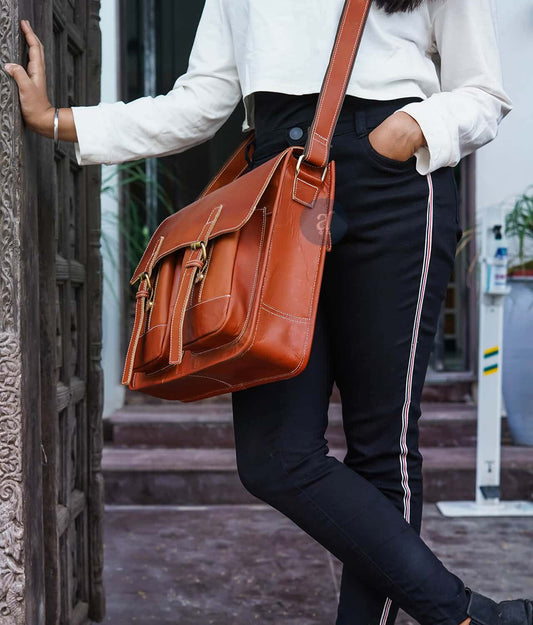
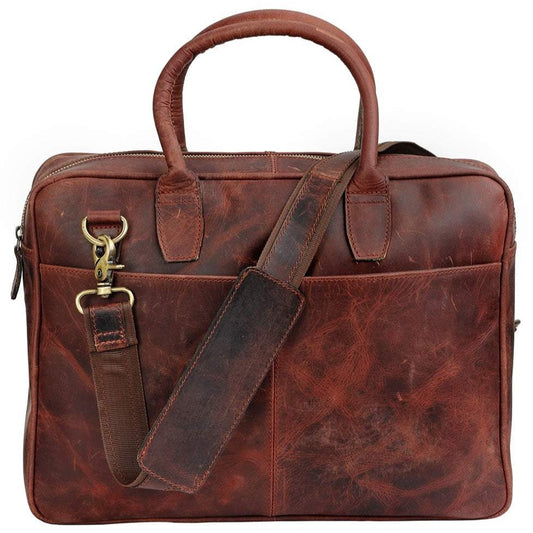
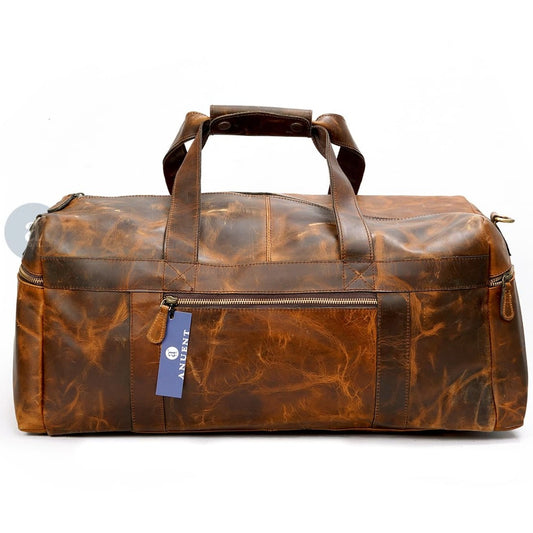
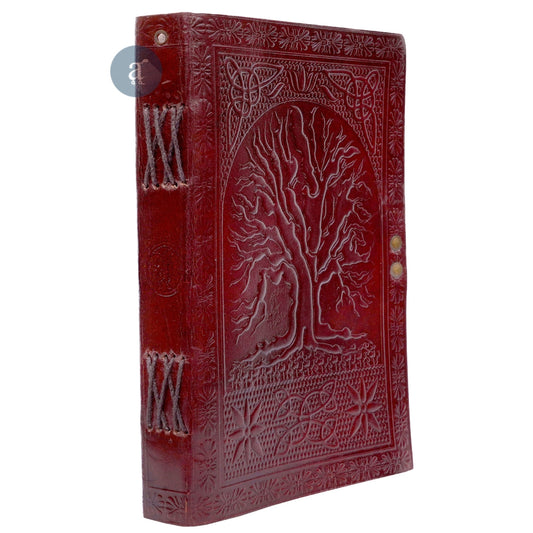
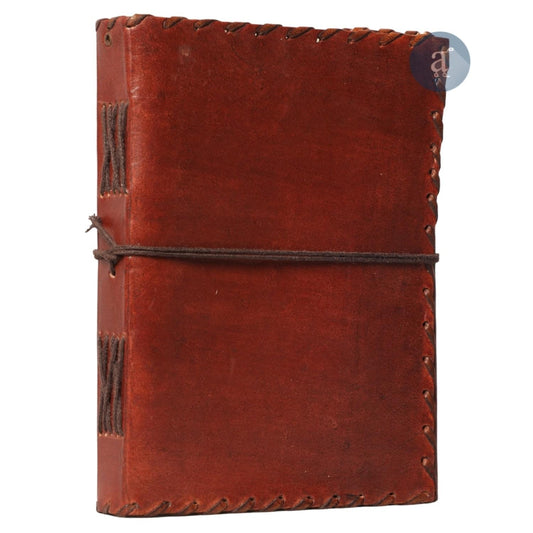
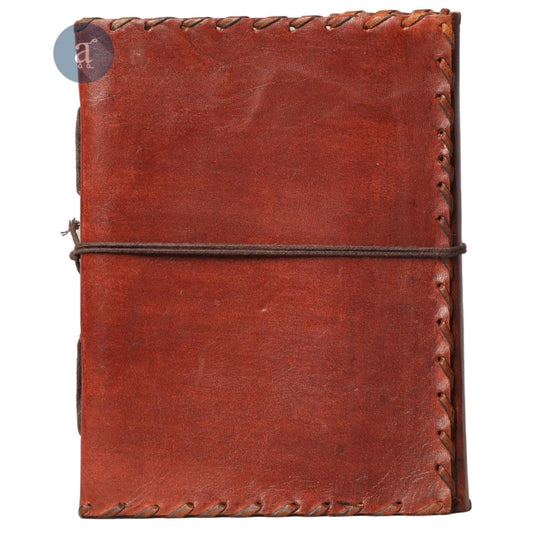
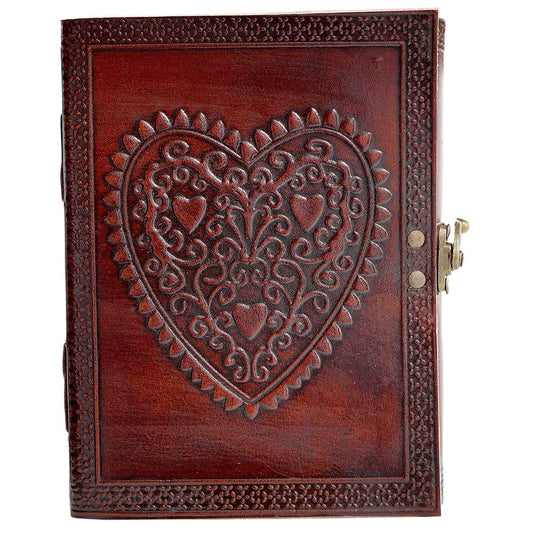
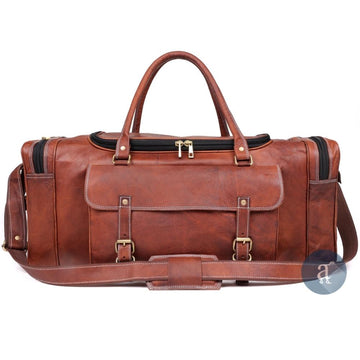
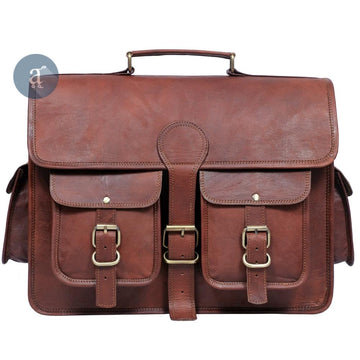
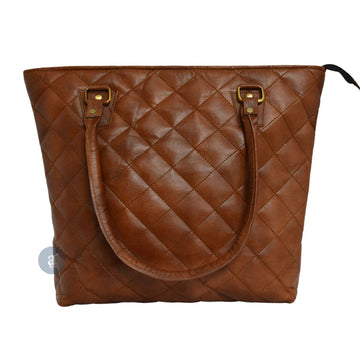
- Anuent construction: Top-grain buffalo and goat leather, solid brass hardware, riveted strap attachments. Products priced $60 to $150.
The r/BuyItForLife community has been applying quality criteria to everyday purchases since 2011, and its approach to leather bags is one of the most consistently documented areas in the subreddit's history.
When someone asks whether a specific leather bag is worth buying, the responses almost never focus on brand name or price.
They focus on construction details: what grade of leather, what hardware material, how are the stress points reinforced, and whether the bag can be repaired when something eventually wears out.
This checklist captures the seven criteria the community applies most consistently, with enough detail to use when evaluating any leather bag, whether you are shopping in person or reading a product listing online.
All seven criteria are directly applicable to Anuent's range of real leather handbags and carry bags, where each product page lists leather grade, hardware specification, and construction details so buyers can apply this checklist before purchasing.
Point 1: Leather Grade
The leather grade is the single most important quality indicator, and it is also the most frequently misrepresented in product listings.
The r/BuyItForLife community's standard position is that top-grain leather from a reputable manufacturer is the appropriate starting point for a bag intended to last ten or more years of daily use.
Top-grain leather retains the strong outer layer of the hide, has been lightly sanded for a more uniform surface, and develops a patina over the years of handling that makes the bag look progressively richer rather than progressively worse.
Genuine leather, which comes from the lower layers of the hide, is a legitimate choice for well-priced everyday bags when properly tanned and finished by a reputable manufacturer.
What the community specifically avoids is bonded leather, which is made from leather scraps glued to a fabric backing, and heavily corrected-grain leather, which has been sanded down to remove all natural grain and coated with a painted surface that peels within a few years of daily use.
The practical test when reading a product listing: the description should state the leather grade explicitly.
Vague terms like "premium leather," "high-quality leather," or "genuine leather" without specifying the grade or hide source are red flags in the BIFL community.
Our guide on the differences between leather grades covers the complete hierarchy with practical examples of what each grade looks like in daily use and how each ages over time.
Point 2: Hardware Material and Quality

Hardware is the most overlooked quality indicator when buying a leather bag and consistently the most common cause of early failure.
A zipper that jams after three months, a clasp that opens unexpectedly under weight, or a strap ring that bends and deforms over time can make an otherwise well-made bag unusable.
The BIFL standard for hardware is solid brass or quality zinc alloy for all fittings.
Solid brass hardware has a naturally warm tone that resists rust indefinitely without plating and develops a subtle patina of its own that complements the leather.
Quality zinc alloy is a legitimate alternative that performs well under daily use.
What to avoid is plated steel, thin cast alloy, and any hardware described only as "gold color" or "silver finish" without specifying the underlying metal, as these descriptions typically indicate thin plating over cheap base metal that chips and tarnishes within the first year.
For zippers specifically, YKK is the industry standard: a YKK zipper is more likely to glide smoothly and resist tooth separation over years of daily use than an unbranded alternative.
The attachment method matters as much as the hardware material itself.
Hardware riveted or sewn through the leather is significantly stronger than hardware attached by adhesive or press-fitted into the leather without mechanical fastening.
When examining a bag in person or in product photos, look for base feet on structured bags: four metal feet on the bottom corners protect the leather from floor damage and signal that the manufacturer considered the bag's long-term wear.
Their absence from a structured bag is often a cost-cutting decision rather than a design choice.
Our guide on how to spot a fake leather bag covers the visual tells of poor hardware in product photos, including the cast lines and uneven plating that distinguish cheap fittings from quality ones, even at small image sizes.
Point 3: Stitching Quality and Stress Point Reinforcement
Stitching quality is visible on every leather bag, and it reveals construction quality more clearly than almost any other feature because there is nowhere to hide poor workmanship.
The BIFL standard is even, tight stitching throughout the bag with consistent spacing, using bonded nylon or polyester thread rather than cheap cotton thread that rots over the years of exposure to moisture and humidity.
Stress points deserve specific attention: handle bases, strap attachment rings, bag corners, and anywhere two panels of leather meet at a functional load point.
Quality bags are deliberately over-engineered at these points.
Rivets at strap attachment points add mechanical strength beyond what stitching alone provides.
Double stitching at handle bases distributes stress across two thread lines rather than one.
Corner reinforcements prevent the bag body from deforming under regular loading and unloading.
The practical tests when examining a bag: pull gently on handles to feel whether the stitching flexes cleanly or shows resistance at the attachment points; look at the interior side of all exterior seams to confirm the stitch quality is consistent on both sides; and check for any loose thread ends, skipped stitches, or areas where stitching stops short of a corner or stress point.
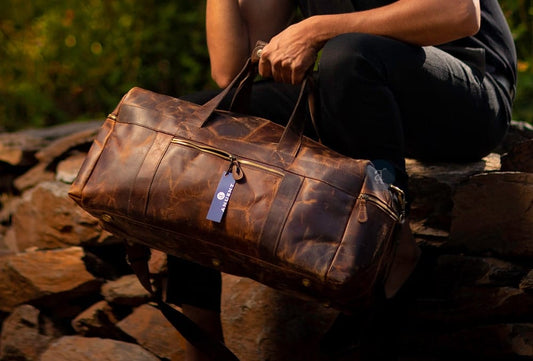
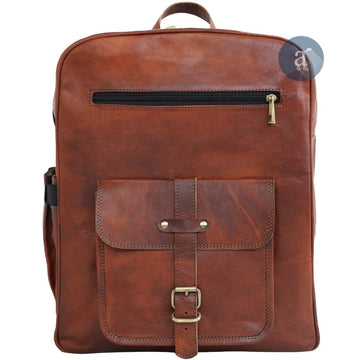
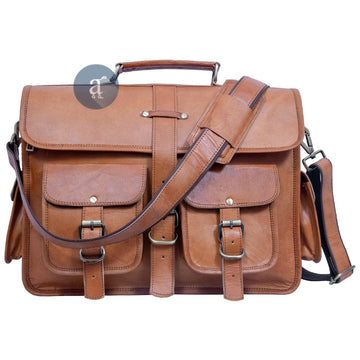
Well-made leather bags with quality stitching, such as Anuent's buffalo leather backpack with its reinforced riveted strap attachments, demonstrate how over-engineering at stress points is one of the clearest markers of a bag built for ten or more years of daily carry rather than three.
BIFL CONSTRUCTION ACROSS EVERY STYLE
Top-Grain Buffalo and Goat Leather With Solid Brass Hardware
Riveted strap attachments, quality zippers, reinforced stress points. Priced $60 to $150. Free shipping to USA, UK, and Canada. Free monogramming on every order.
Point 4: Edge Finishing
The way a leather bag's cut edges are finished is one of the clearest visible quality differentiators between bags at similar price points, and one of the most reliable predictors of how the bag will look after a year of daily use.
When a leather panel is cut, the raw edge exposes the cross-section of the hide.
Left unfinished, this edge absorbs moisture, frays, and begins to lift away from adjacent panels within months of regular use.
Quality bags address this in one of two ways: burnishing and edge paint.
Burnished edges are created by using a heated tool or friction to compress and seal the raw leather fibers, creating a smooth, rounded edge that is structurally part of the leather rather than a coating applied on top.
Burnished edges are more durable and require no maintenance.
Edge paint is a coloured sealant applied to the raw edge.
Well-applied edge paint produces a clean, finished appearance, but it can chip and peel over time with heavy use, particularly at corners and areas that contact surfaces frequently.
The lowest-quality option is raw or roughly finished edges, where no treatment has been applied at all.
This is the most common shortcut in cheaper bags and the most reliable indicator of overall construction quality: if the manufacturer did not finish the edges properly, it is a strong signal that other construction details received similarly minimal attention.
When checking edge quality in person, run a finger along the edges of the bag, including interior panels, and examine the corners where two edges meet.
When checking from product photos, look for any close-up images of bag edges and corners, and examine customer review photos for how edges look after several months of use.
Point 5: Lining Construction
The lining of a leather bag is entirely invisible in most product photography and rarely mentioned in product descriptions, which is precisely why it is a useful indicator of overall construction quality.
A brand that takes the lining seriously is one that takes the whole bag seriously.
The BIFL standard for lining is a tightly woven fabric, typically cotton twill, polyester, or a cotton-polyester blend, securely sewn into the bag without loose threads, puckering, or bunching at the seams.
Interior pockets and compartments should be reinforced at their bases and attachment points, not just stitched lightly to the main lining.
The lining attachment to the outer leather is important: it should be sewn cleanly to the leather at all edges with no gaps or areas where the lining pulls away from the outer panels.
The practical test: open the bag fully and examine the interior under good light.
Look at the base corners where the lining meets the bottom panel.
Check that any interior pockets are firmly attached and that the stitching on pocket bases and sides matches the quality visible on the exterior.
Thin, loosely woven linings that tear easily under normal use, or linings that are glued rather than sewn to the leather, are construction shortcuts that shorten the practical lifespan of the bag, regardless of how good the exterior leather and hardware are.
For a broader look at how construction quality translates into practical daily performance, the article on the practical benefits of genuine leather goods covers material performance alongside construction quality in everyday use.
Point 6: Strap Construction and Attachment
Straps are the highest-stress component of any carry bag and the component most likely to fail first if the construction is inadequate.
The strap itself should be made from the same quality leather as the bag body, or from a reinforced version of it.
A shoulder strap made from thin, poorly finished leather will begin to roll inward and become uncomfortable under load within weeks, and will often show cracking at the fold points within the first year of use.
Width matters practically as well as aesthetically: a strap narrower than approximately 3 centimeters concentrates carrying load on a small area of the shoulder and becomes uncomfortable quickly when the bag is fully loaded.
The attachment points where the strap connects to the bag body are the primary stress points in strap construction.
The BIFL standard is D-rings or swivel snaps that are solid cast or welded rather than wire-formed, attached to the bag through rivets or reinforced stitching with backing hardware on the interior.
Wire-formed D-rings can flex open under sustained load and are a known failure point in cheaper bags.
For bags with fixed non-removable handles, the handle should be constructed from multiple layers of stacked leather rather than a single thin layer, and the stitching securing the handle to the bag body should run the full length of the attachment point rather than just at the ends.
A handle that feels stiff, hollow, or flimsy when gripped is one constructed from a single thin layer of leather that will soften and deform unevenly under regular load.
Point 7: Repairability
The final and arguably most important criterion in the BIFL checklist is one that is almost never mentioned in product listings: whether the bag can be repaired by a cobbler or leather repair shop when components eventually wear or fail.
The r/BuyItForLife community identifies repairability as a primary indicator of whether a product genuinely qualifies as buy it for life.
A bag that cannot be repaired when its zipper jams or its strap hardware wears through is not actually a lifetime purchase; it is just an expensive one that gets discarded when a single component fails.
The practical repairability checklist for leather bags has four points.
Zippers should be replaceable: a cobbler or leather repair shop can replace a failed zipper on a bag where the zipper tape is sewn to the leather rather than fused or bonded in place.
Straps should be swappable: if the strap is attached via D-rings and swivel snaps rather than sewn directly through the bag body, it can be replaced without touching the main bag structure.
Hardware should be removable: fittings attached by rivets or screws can be removed and replaced if they fail; hardware attached only by adhesive cannot.
Leather panels should be accessible: a bag with a removable lining gives a leather repair specialist access to the exterior panels for reconditioning, repair of worn areas, or re-dyeing of faded sections.
When examining a bag, the simplest repairability test is to ask: if the zipper failed tomorrow, could this be fixed by a local cobbler for a reasonable cost?
If the answer requires the bag to be sent to a specialist or replaced entirely, the bag fails the repairability criterion regardless of how well everything else is constructed.

How to Apply the Checklist When Buying Online
Applying all seven points in person is straightforward.
Applying them from a product listing requires knowing where to look.
For the leather grade, the product description should state the grade explicitly.
If it does not, treat that as a red flag and check customer reviews for mentions of peeling or surface deterioration within the first year.
For hardware, look for close-up product images of zippers, buckles, and strap rings.
Check whether the listing specifies the hardware material.
Read negative reviews specifically for mentions of hardware failures such as zippers jamming, clasps snapping, or strap rings bending.
For stitching and stress points, look for images showing the bag handles and strap attachment areas.
If interior photos are available, examine the quality and attachment of the lining.
For repairability, check whether the strap is removable via hardware rather than sewn-in, and whether the brand's warranty or repair policy mentions zipper replacement or hardware repair.
A brand confident in its construction will typically describe its hardware and stitching explicitly and stand behind repairs rather than directing buyers to purchase a replacement.
Anuent product pages list the leather grade, hide type, and hardware specification on each product, providing the information this checklist requires without needing to contact customer support or look up separate specifications.
A Quick-Reference BIFL Checklist for Leather Bags
| Checklist Point | Pass | Fail |
|---|---|---|
| Leather grade | Top-grain, genuine leather from quality tannery, stated explicitly | Bonded leather, corrected-grain, or grade unstated |
| Hardware material | Solid brass or quality zinc alloy, YKK zippers, stated explicitly | Plated steel, plastic, "gold color" without material stated |
| Hardware attachment | Riveted or sewn through leather with backing hardware | Glued or press-fitted without mechanical fastening |
| Stitching quality | Even, tight, bonded nylon thread, reinforced at stress points | Loose, uneven, cotton thread, no reinforcement at handles or strap rings |
| Edge finishing | Burnished smooth or well-applied edge paint on all cut edges | Raw, unfinished edges or chipping paint visible on the new bag |
| Lining | Tightly woven fabric, sewn cleanly throughout, reinforced pockets | Thin, loose weave, glued sections, loose threads at corners |
| Strap construction | Multi-layer leather or reinforced strap, solid D-rings, riveted attachment | Single thin leather layer, wire D-rings, sewn-only attachment at narrow points |
| Repairability | Zipper replaceable, strap removable via hardware, fittings riveted | Zipper fused in place, strap sewn-in, hardware glued only |
Frequently Asked Questions
What does Buy It For Life mean for leather bags?
It means a bag built well enough to last decades of daily use: quality leather, solid metal hardware, well-executed stitching at stress points, finished edges, and a construction designed to be repaired rather than discarded when something eventually wears out.
BIFL is not about buying the most expensive option available.
It is about buying the most durably constructed option available at a price point that delivers genuine long-term value.
What leather grade should a BIFL bag use?
Top-grain and well-finished genuine leather from a reputable manufacturer are the appropriate grades for a bag intended to last ten or more years.
Bonded leather and heavily corrected-grain leather do not meet BIFL standards, regardless of how the finished bag looks when new.
What hardware should a quality leather bag have?
Solid brass or quality zinc alloy for all fittings.
YKK or equivalent quality zippers.
D-rings and swivel snaps that are solid cast rather than wire-formed.
Base feet on structured bags.
All hardware is riveted or sewn through the leather rather than glued.
How can you check stitching quality on a leather bag?
Look for even, tight stitching with consistent spacing, using bonded thread rather than cotton.
Check handle bases, strap attachment points, and corners for reinforced or double stitching.
Pull gently on handles to check whether the stitching flexes cleanly at the attachment points.
Examine both the exterior and interior sides of all seams.
What should the edges of a quality leather bag look like?
Burnished smooth or sealed with well-applied edge paint on every cut edge, including interior panels and pocket openings.
Raw or roughly cut edges with no finishing treatment are a reliable indicator of overall construction shortcuts.
Is repairability important for a BIFL leather bag?
Yes, it is one of the most important criteria.
A bag where the zipper cannot be replaced, or the strap hardware cannot be changed, is not genuinely buy it for life; it is just an expensive single-use purchase.
Look for removable straps, riveted hardware, and replaceable zippers as the minimum repairability standard.
Can a leather bag under $200 be BIFL quality?
Yes, consistently and demonstrably.
The BIFL community has documented that bags made in countries with lower production costs can use quality leather and solid brass hardware, while pricing significantly below comparable Western-made bags.
The seven checklist points determine BIFL status, not the sticker price.
Conclusion
The BIFL checklist for leather bags reduces to one underlying principle: every component of the bag should be built to outlast normal use, and everything that cannot outlast normal use should be replaceable.
Leather grade, hardware, stitching, edge finishing, lining, strap construction, and repairability are not independent luxuries that higher prices buy in layers.
They are interconnected decisions about construction quality that either combine to produce a bag that improves over a decade of daily carry, or produce one that looks good in the product photos and deteriorates from the first month of real use.
The r/BuyItForLife community has been providing the evidence for this through multi-year update posts, real-world failure reports, and repair stories for over a decade.
The checklist is their accumulated verdict on what separates a bag worth owning for life from one that merely looks like it.
Browse Anuent's range of top-grain buffalo leather bags, where every product page lists the leather grade, hide type, and hardware specification so you can run this checklist before purchasing rather than after.
BUILT TO THE BIFL STANDARD
Top-Grain Leather. Solid Brass. Riveted Stress Points.
Every Anuent bag lists the leather grade and hardware specification on the product page. Priced $60 to $150. Free shipping to the USA, UK, and Canada. Free monogramming on every order.