
Last Updated: April 2026
TL;DR
- Every leather stain type requires a different removal method. Water, oil, ink, wine, dye transfer, mold, and sweat stains each respond to specific cleaning techniques that will not work interchangeably.
- Always test any cleaning solution on a hidden area first and let it dry completely before treating the visible stain.
- The single most important rule is to blot immediately and never rub. Rubbing pushes stains deeper into leather pores and can permanently damage the surface finish.
- Cornstarch or baking soda absorbs oil and grease stains overnight. Distilled water blends water rings. Rubbing alcohol lifts ink with careful dabbing.
- After removing any stain, always condition the leather to restore moisture and rebuild the protective barrier that prevents future staining.
WHAT YOU NEED TO KNOW
- Act fast: The longer a stain sits on leather, the deeper it penetrates into the fibers. Most stains are far easier to treat within the first 30 minutes.
- Leather type matters: Finished (pigmented) leather handles cleaning solutions well. Unfinished (aniline) and suede leather are far more sensitive and may need professional treatment.
- Heat is the enemy: Never use a hairdryer, radiator, or direct sunlight to speed up drying. Heat warps and cracks leather permanently.
- Condition after every cleaning: Cleaning strips natural oils from leather. Applying conditioner after stain removal prevents drying, cracking, and future staining.
Leather stains are not permanent if you treat them correctly.
The key is matching the right method to the right stain type, because using the wrong approach on the wrong stain often makes things worse.
This guide covers step-by-step removal methods for the seven most common leather stains, explains what works on each leather type and grade, and shows you how to protect your leather after cleaning so the same stain does not come back.
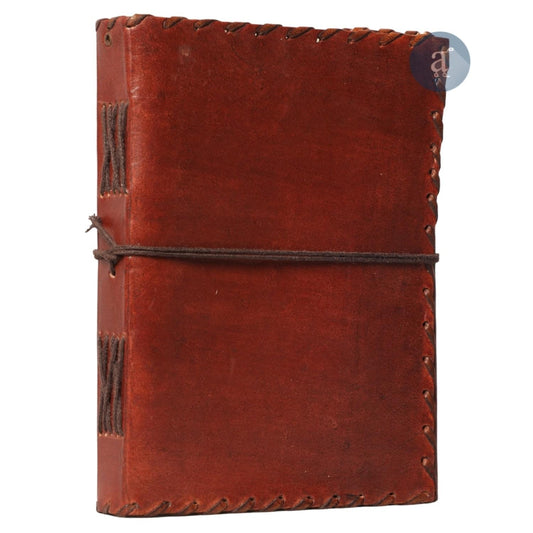
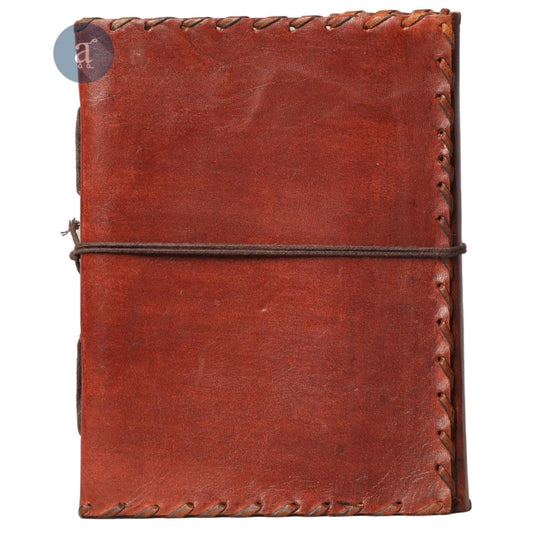
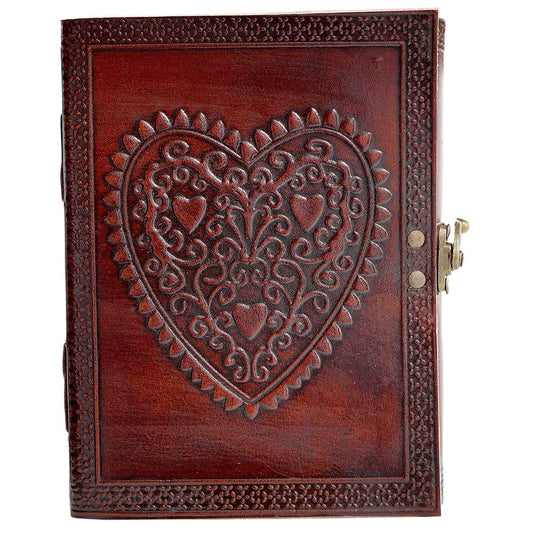
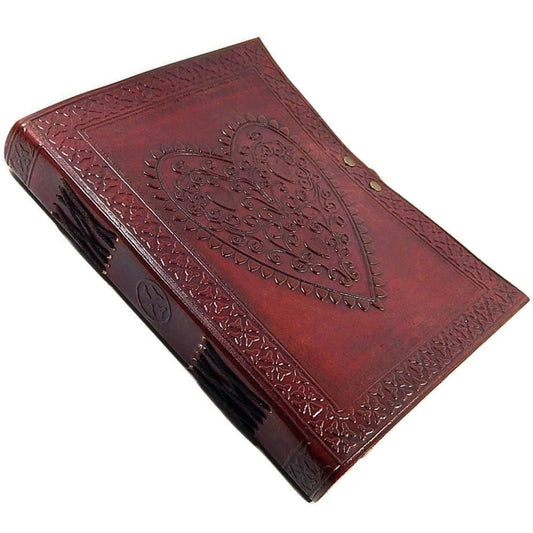
Whether the stain is on a bag, a sofa, a jacket, or a journal cover, the chemistry of stain removal stays the same.
The leather does not care what shape it has been cut into.
What to Do Before You Touch Any Stain
Before applying any cleaning solution, you need to identify two things: the type of stain and the type of leather you are working with.
Stain identification is usually straightforward.
If the mark is dark and greasy, it is an oil or grease stain.
If it left a ring with a visible edge, it is a water stain.
If the color is foreign to the leather, it is likely ink or dye transfer.
Leather identification requires a simple test.
Find a hidden area on the item, such as the underside of a flap or the bottom of a bag, and place a single drop of water on it.
If the water beads up and sits on the surface, you are dealing with finished leather that has a protective coating.
If the water soaks in immediately and darkens the spot, you have unfinished or aniline leather.
Finished leather is the safer candidate for home stain removal.
Unfinished leather, nubuck, and suede are far more sensitive, and aggressive cleaning can cause permanent discoloration.
Regardless of leather type, always test your chosen cleaning solution on that same hidden spot first.
Let it dry fully.
If the color stays consistent and the texture is unchanged, you can proceed to the stain.
How to Remove Water Stains from Leather
Water stains on leather look like dark spots or rings with a visible edge.
They form because the wet area dries at a different rate than the surrounding leather, leaving a tide mark where moisture evaporated unevenly.
The counterintuitive fix is to re-wet the area so the entire section dries uniformly, eliminating the visible edge.
- Use distilled water, not tap water. Tap water contains minerals that can leave their own residue marks. Dampen a clean, soft cloth with distilled water so the cloth is moist but not dripping.
- Wipe from the center outward. Start at the middle of the stain and feather your strokes outward toward the nearest seam or edge. The goal is to blend the wet area so that there is no sharp boundary where moisture stops.
- Let it air dry naturally. Do not use a hairdryer, heater, or direct sunlight. Place the item in a well-ventilated area at room temperature and allow it to dry completely on its own.
- Condition after drying. Once dry, the leather may feel slightly stiff. Apply a thin coat of leather conditioner with a soft cloth to moisturize and restore leather to its natural softness.
For water stains that have been sitting for weeks, you may need to dampen a larger area around the stain to blend the drying pattern across a wider surface.
How to Remove Oil and Grease Stains from Leather
Oil and grease stains are among the most common leather stains.
They come from food, cooking oil, hand lotions, hair products, and even the natural oils on your skin after extended contact.
The critical rule with oil stains is to never add water.
Water and oil do not mix, and wetting an oil stain will only spread it further into the leather fibers.
- Blot the surface immediately. Press a clean, dry microfibre cloth onto the stain without rubbing. Lift and press repeatedly to absorb as much surface oil as possible.
- Apply cornstarch or baking soda generously. Cover the entire stain with a thick layer of absorbent powder. Cornstarch, baking soda, and talcum powder all work. The powder draws oil out of the leather pores over time.
- Leave overnight. The powder needs at least four to six hours to absorb the oil, but overnight is ideal. For deep or old oil stains, leave the powder for a full 24 hours.
- Brush off gently. Use a soft-bristled brush or a clean toothbrush to remove the powder. If a faint mark remains, repeat the powder application for another overnight cycle.
- Condition the area. Once the stain is gone, apply leather conditioner to restore moisture to the cleaned area.
Old oil stains that have set into the leather for weeks are harder to remove with powder alone.

In those cases, a dedicated leather degreaser applied according to the product instructions may be necessary.
Leather That Resists Stains Longer
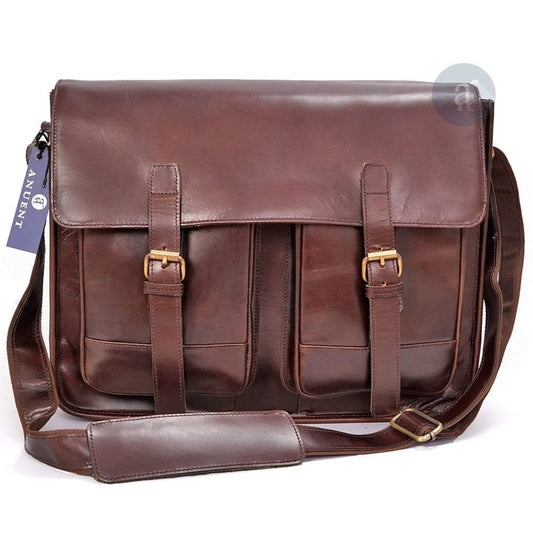
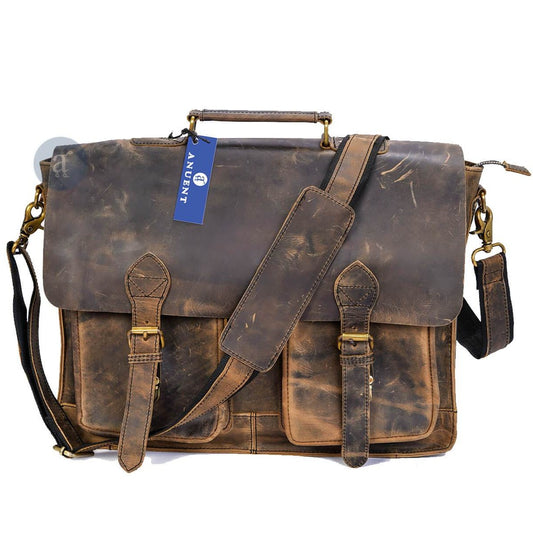
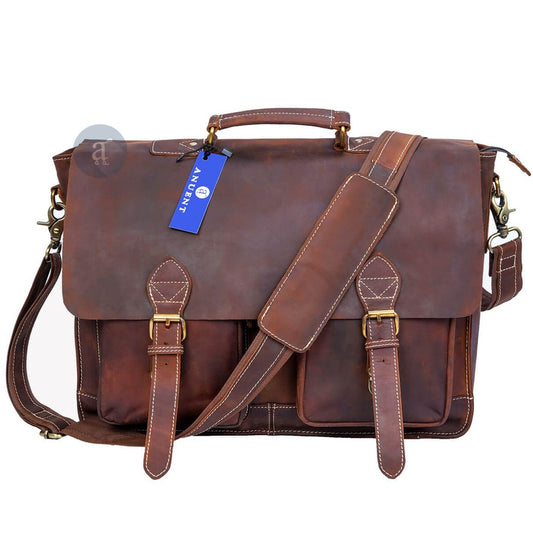
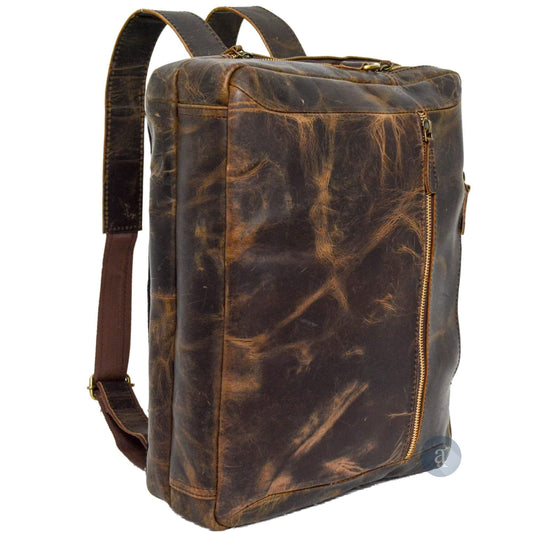
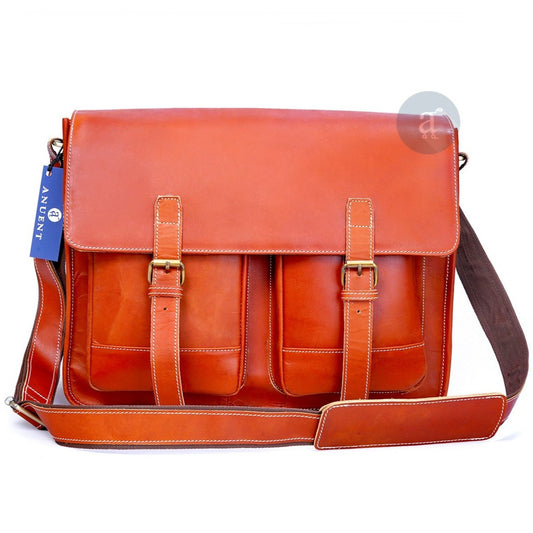
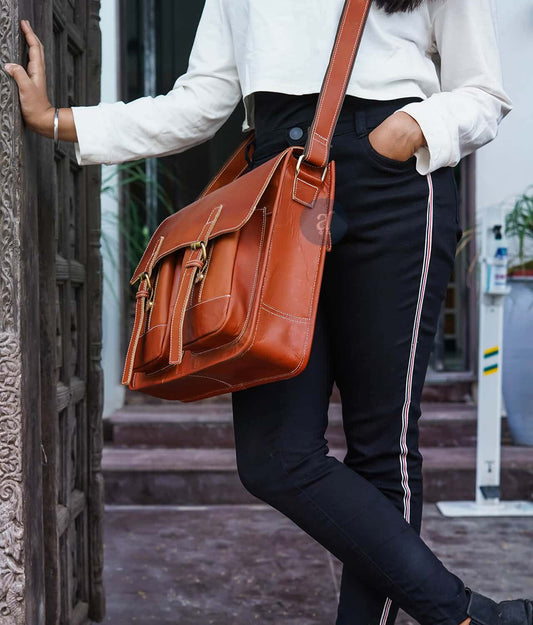
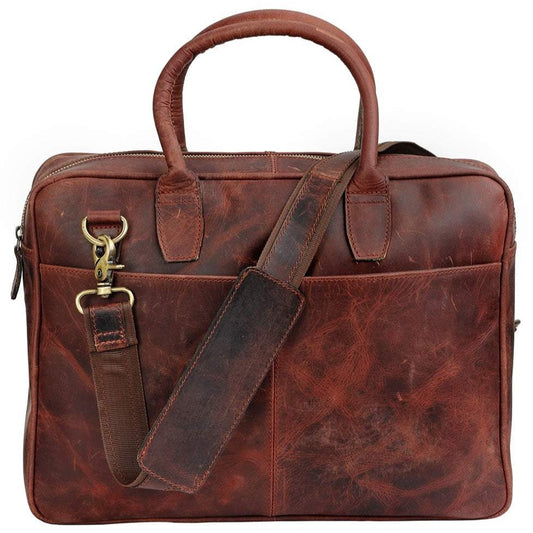
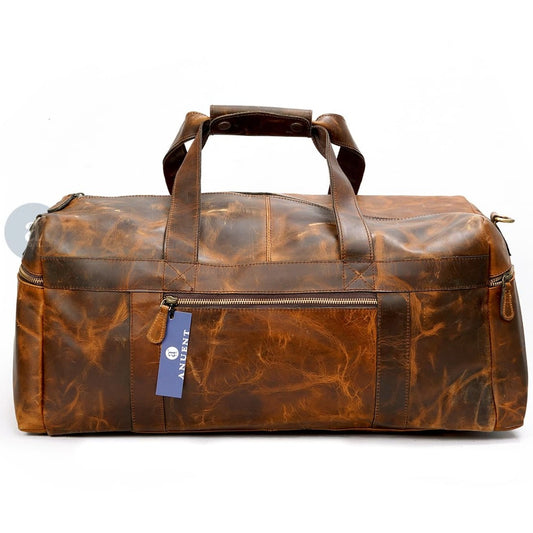
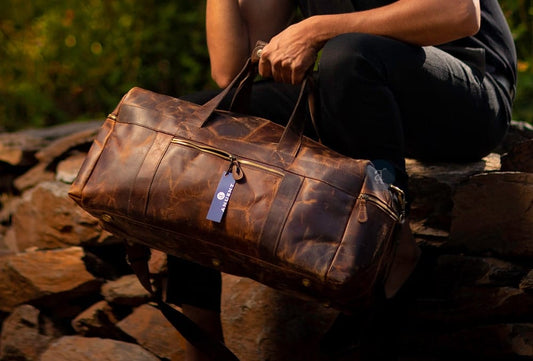
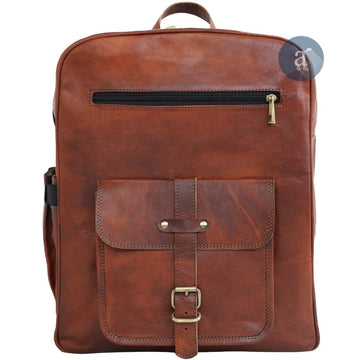
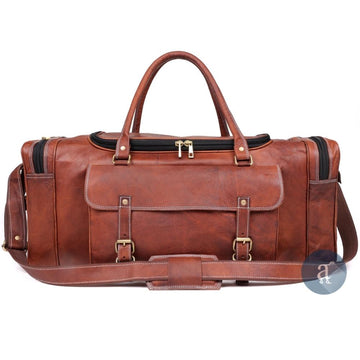
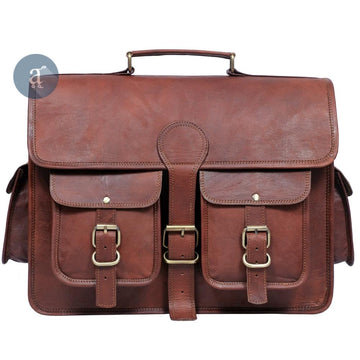
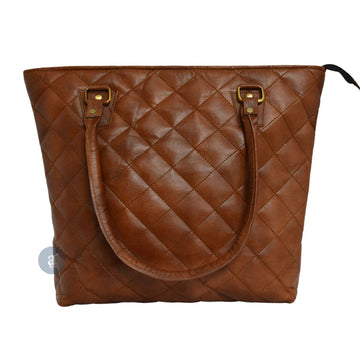
Anuent bags are expertly crafted from top-grain buffalo leather and vegetable-tanned leather with natural protective finishes that make stain cleanup easier.
How to Remove Ink Stains from Leather
Ink stains are among the trickiest to remove because ink pigments bind quickly to leather fibers, especially on lighter-coloured leather.
The most effective home method uses isopropyl rubbing alcohol, but it must be applied with extreme care to avoid stripping the leather's finish.
- Dip a cotton swab in rubbing alcohol. Only the tip of the swab should be damp. Never pour or spray alcohol directly onto the leather surface.
- Dab the ink stain gently. Press the swab onto the ink and lift. Do not rub or drag. You should see ink transferring onto the cotton.
- Use a fresh swab for every dab. Reusing the same swab will spread ink back onto the leather. Rotate to a clean section or use a new swab after every two to three dabs.
- Wipe the area with a damp cloth. Once the ink is lifted, wipe the area with a cloth dampened with plain water to remove any alcohol residue.
- Condition immediately. Rubbing alcohol strips oils from leather. Apply conditioner right after cleaning to prevent drying and cracking.
For a detailed walkthrough covering ballpoint pen, marker, and printer ink specifically, read our guide on how to clean ink off leather.
On lighter leather, if alcohol does not fully remove the stain, a small amount of non-acetone nail polish remover applied with a cotton swab can work.
Test this on a hidden area first, as it is more aggressive than alcohol and can strip color from some finishes.
How to Remove Wine and Food Stains from Leather
Wine, coffee, juice, and food-based stains combine color pigments with liquid, making them a dual problem.
You need to remove both the moisture and the pigment before either one sets permanently.
- Blot immediately. For fresh spills, press a clean dry cloth onto the stain to absorb as much liquid as possible. Speed matters here more than with any other stain type.
- Mix a mild cleaning solution. Combine five parts warm water with one part mild dish soap (not detergent). Dampen a clean cloth with this solution.
- Wipe the stain gently. Work from the outer edge of the stain inward to avoid spreading the pigment. Use light circular motions rather than back-and-forth scrubbing.
- Rinse with a damp cloth. Wipe the area with a cloth dampened in plain water to remove soap residue.
- Dry and condition. Pat the area dry with a clean towel, let it air dry fully, then apply leather conditioner.
For red wine specifically, crushed white chalk applied to the fresh stain and left overnight can absorb both the liquid and the pigment before they set.
Brush off the chalk the next morning and clean the area with the soap solution described above.
How to Remove Dye Transfer Stains from Leather
Dye transfer happens when color from clothing, newspapers, magazines, or other coloured materials rubs off onto leather.
It is especially common on lighter leather bags that sit against dark denim jeans.
These stains are surface-level when fresh, but can become permanent once the dye bonds with the leather finish.
- Wipe with a damp cloth first. Sometimes, fresh dye transfer lifts with just a clean, damp cloth and no cleaning products at all.
- Apply a leather-safe cleaning solution. If the damp cloth does not work, use a mild soap and water solution (five parts water, one part soap) applied with a soft cloth.
- For stubborn dye transfer, use a leather-specific cleaner. Commercial leather cleaners formulated for dye transfer are available and are safer than improvised solutions for this particular stain type.
- Do not use bleach, acetone, or harsh solvents. These will damage the leather finish and can cause permanent discolouration far worse than the original stain.
To prevent dye transfer in the first place, consider applying a leather protector spray to light-coloured bags before their first use.
This creates a barrier between the leather surface and external dye sources.
If you carry a light-coloured top-grain leather backpack against dark clothing regularly, applying protector spray every few months significantly reduces dye transfer risk.
How to Remove Mold and Mildew Stains from Leather
Mold grows on leather stored in damp, poorly ventilated environments.
It appears as white, green, or black fuzzy spots and can eat into the leather if left untreated.
The first step is always to take the item outdoors before cleaning.
Mold spores become airborne when disturbed, and you do not want them spreading inside your home.
- Brush off surface mold outdoors. Use a soft-bristled brush to remove as much visible mold as possible. Wear gloves and consider a dust mask if the mold coverage is extensive.
- Mix equal parts rubbing alcohol and water. Dampen a clean cloth with this solution and wipe the affected area thoroughly.
- For stubborn mold, use a vinegar solution. Mix equal parts white vinegar and water. Apply with a cloth, wipe clean, then follow with a damp water-only cloth to remove vinegar residue.
- Dry completely before storing. Mold returns if any moisture remains. Let the item dry thoroughly in a well-ventilated area before putting it away.
- Condition the leather. Both alcohol and vinegar strip natural oils. Conditioning after mold removal is essential to prevent cracking.
For a more detailed guide covering prevention and storage-specific advice, read our article on how to get rid of mold on leather.
To prevent mold from forming in the first place, store leather in breathable dust bags (not plastic) in a cool, dry space.
If you are putting leather bags into long-term storage, stuff them with acid-free tissue paper to maintain shape and absorb residual moisture.
Our guide on where to store leather bags covers the full list of storage dos and don'ts.
How to Remove Sweat and Body Oil Stains from Leather
Sweat stains typically appear on bag straps, handles, and any leather surface that sits against the body during regular use.
They show up as darkened areas, often with a slightly greasy feel and sometimes a white salt residue along the edges.
Sweat stains are a combination of salt, oils, and moisture, so the removal method needs to address all three.
- Wipe the area with a damp cloth. Use distilled water to remove surface salt deposits. If white salt marks are visible, this step alone may resolve them.
- Apply a mild soap solution. Mix warm water with a small amount of mild soap. Wipe the darkened area with a cloth dampened in this solution.
- Apply cornstarch for persistent darkening. If the area remains darker than the surrounding leather after cleaning, cover it with cornstarch and leave it overnight. The powder will draw out residual oils sitting in the pores.
- Condition the cleaned area. Apply conditioner to keep leather from cracking after repeated cleaning cycles. Straps and handles endure more wear than the body of a bag and benefit from more frequent conditioning.
Regular conditioning of bag straps and handles every four to six weeks reduces sweat stain buildup by maintaining the leather's protective surface layer.
What Not to Do When Cleaning Stained Leather
Many common cleaning approaches that work on fabric or hard surfaces will permanently damage leather.
Avoid these mistakes.
Never use bleach, ammonia-based cleaners, or all-purpose household cleaners on leather.
These strip the finish, cause discoloration, and dry out the material beyond repair.
Never rub a stain aggressively.
Rubbing pushes the stain deeper and can break down the surface finish, creating a rough, discolored patch that is harder to fix than the original stain.
Never apply heat to speed up drying. Hairdryers, radiators, and direct sunlight all cause leather to warp, crack, and lose its natural oils permanently.
Never apply leather conditioner before removing the stain.
Conditioner seals the surface, trapping the stain underneath the conditioning layer and making it nearly impossible to remove afterward.
Never use baby wipes.
Despite their gentle reputation, baby wipes often contain alcohol, fragrances, and other chemicals that can stain or damage leather finishes.
How to Prevent Stains on Leather
Prevention is always easier than removal.
A few habits and products can significantly reduce how often your leather picks up stains.
Conditioning your leather every two to three months builds and maintains a protective barrier on the surface that repels moisture and slows the absorption of oils and pigments.
If you prefer a homemade option, our guide on how to make your own leather conditioner walks through a simple recipe using household ingredients.
Applying a leather protector spray before first use adds an invisible layer that resists water, oil, and dye transfer.
Reapply every three to four months for bags that see daily use.
Storing leather in breathable dust bags when not in use prevents mold growth and protects against accidental color transfer from other items in your wardrobe.
Be mindful of what you store inside leather bags.
Uncapped pens, open cosmetics, and leaking water bottles are the most common sources of interior stains that soak through to the exterior.
Use pouches or organizer inserts to contain items that could leak.
If a stain has caused permanent color loss or damage that cleaning and conditioning cannot fix, a leather repair kit with color-matched balm can restore the appearance.
For more on this, read our guide on how to restore a faded leather bag.
Stain Removal Quick Reference by Stain Type
| Stain Type | Primary Method | Key Product | Time Needed |
|---|---|---|---|
| Water | Re-wet and blend edges | Distilled water | 1 to 2 hours drying |
| Oil or grease | Absorb with powder | Cornstarch or baking soda | Overnight |
| Ink | Dab with alcohol | Isopropyl rubbing alcohol | 10 to 20 minutes |
| Wine or food | Mild soap solution | Dish soap and warm water | 15 to 30 minutes |
| Dye transfer | Damp cloth, then soap | Leather-safe cleaner | 10 to 30 minutes |
| Mold | Brush off, then alcohol wipe | Rubbing alcohol or white vinegar | 30 minutes plus drying |
| Sweat and body oil | Soap solution, then powder | Soap, cornstarch | Overnight, if powder is used |
Frequently Asked Questions
Can you get old stains out of leather?
Old stains are harder to remove than fresh ones, but many can still be treated.
Oil stains respond to repeated overnight cornstarch applications even weeks after they formed.
Water stains can be blended out by re-wetting the area with distilled water, regardless of age.
Ink and dye transfer stains become increasingly difficult after the first 48 hours and may require a professional leather cleaner if home methods do not work.
Does vinegar damage leather?
White vinegar diluted with equal parts water is generally safe for finished leather when used sparingly.
It is effective for mold removal and salt stain removal.
However, undiluted vinegar can strip color and dry out leather, so always dilute it and always condition the leather afterward. Do not use vinegar on unfinished, aniline, or suede leather.
What household items remove stains from leather?
Cornstarch and baking soda absorb oil stains.
Rubbing alcohol lifts ink. Mild dish soap mixed with warm water handles food and wine stains. White vinegar diluted with water removes mold and salt marks.
Distilled water blends water rings.
Crushed white chalk absorbs fresh red wine stains.
These household items cover the majority of common leather stains without requiring specialized products.
How do you remove dark spots from leather?
Dark spots on leather are usually caused by water absorption, oil, or body oils from handling.
For water-caused darkening, re-wet the area with distilled water and let it dry uniformly.
For oil-caused darkening, apply cornstarch overnight.
For persistent dark spots that do not respond to either method, the leather may have absorbed dye or pigment, which may require a leather-specific stain remover or professional treatment.
Is it safe to use rubbing alcohol on leather?
Rubbing alcohol is safe for spot-treating ink stains on finished leather when applied with a cotton swab in small amounts.
It should never be sprayed or poured onto leather, and it should never be used on unfinished or aniline leather.
Always condition the leather immediately after using alcohol, as it strips natural oils and can cause drying if the area is not re-moisturized.
How do you get water stains out of a leather bag?
Dampen a clean cloth with distilled water and wipe the stained area from the center outward, blending the edges of the water mark into the surrounding leather.
Let the bag air dry naturally at room temperature.
Once dry, apply leather conditioner to restore softness.
For bag-specific stain removal covering all stain types, read our detailed guide on how to remove stains from a leather bag.
Can leather conditioner remove stains?
No. Leather conditioner does not remove stains.
In fact, applying conditioner over a stain will seal the stain into the leather and make it much harder to remove later.
Always clean the stain first using the appropriate method, then apply conditioner only after the stain is fully removed and the leather is dry.
When should you call a professional for leather stain removal?
Call a professional if the stain is on unfinished aniline or suede leather, if home methods have not worked after two to three attempts, if the stain has caused visible color loss or surface damage, or if the item has significant financial or sentimental value.
Professional leather cleaners have access to specialized products and techniques that are not available for home use.
Leather Built to Last Through Daily Life
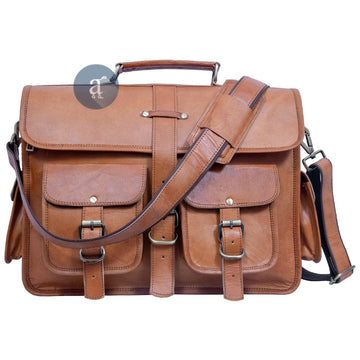
Anuent bags are expertly crafted from top-grain buffalo leather with natural finishes that resist everyday stains and age beautifully over time. Every bag ships with free delivery to the USA, UK, and Canada.
Leather messenger bag collection